

.svg)


.svg)

The end of cancer treatment marks the beginning of a new chapter, but some survivors are still at risk for developing physical changes after radiation therapy ends. Stiffness, swelling, pain, muscle weakness, and reduced movement may appear months or years later and can gradually interfere with everyday activities. These are the symptoms that often occur as radiation-damaged tissue develops fibrosis.
Radiation fibrosis syndrome affects muscles, nerves, connective tissue, and other structures within the area treated with radiation therapy. It’s a progressive condition that can lead to pain, weakness, and decreased mobility in cancer survivors.
For patients with radiation-related tissue damage, finding the best hyperbaric oxygen therapy in the United States offers a beacon of hope. HBOT is an evidence-based supportive treatment for radiation fibrosis and can help cancer survivors slow or reverse tissue damage. Read on to learn more about how hyperbaric oxygen therapy works, its role as a radiation fibrosis treatment, and where to find the best HBOT clinic in the nation.
What Is Radiation Fibrosis Syndrome?
Radiation fibrosis syndrome refers to a group of problems that can develop after radiation treatment. Radiation can trigger changes in the tissue that lead to increased scar formation and progressive tightening or thickening of affected areas. Radiation fibrosis syndrome can also affect nerves and muscles. Affected tissue may become less flexible, and changes around nerves can contribute to weakness or impaired function.
Radiation fibrosis can involve several parts of the body, depending on where radiation was delivered. Symptoms can include:
- Stiff or tight tissue
- Pain or tenderness
- Swelling or limb edema
- Reduced range of motion
- Muscle weakness
- Changes in posture or movement
- Difficulty with walking or daily activities
- Numbness or other nerve-related symptoms
- Problems with swallowing or opening the mouth after head and neck radiation
How Can Radiation Fibrosis Develop Years After Treatment?
Radiation-related tissue changes can continue long after the original treatment because radiation can damage small blood vessels and alter the cells responsible for normal tissue repair. It can also contribute to inflammation and changes in collagen production. Over time, these processes can make tissue less flexible and less able to respond to injury.
Can Untreated Radiation Fibrosis Get Worse Over Time?
Radiation fibrosis can become a long-term problem because as scar tissue accumulates, affected areas may lose flexibility. Reduced movement can then make daily activities more difficult. In some cases, weakness, swelling, nerve changes, and restricted movement can compound one another.
Research finds that early, accurate treatment offers the best chance of slowing progression. Treatment usually includes a combination of hyperbaric oxygen therapy, physical rehabilitation, anti-inflammatory medications, other vascular therapies, and other interventions based on your specific symptoms.
What Are the Symptoms of Radiation Fibrosis?
Radiation fibrosis can look very different from one person to another, and the location of the original radiation treatment can play a major role in what symptoms you encounter. Some general symptoms include:
- Increasing stiffness in an area that received radiation
- New or worsening pain in an area that received radiation
- Swelling in the treated area
- Reduced flexibility
- Difficulty moving a joint
- Muscle weakness
- Changes in walking or balance
- Difficulty swallowing or difficulty opening the mouth if you received head or neck radiation
- Skin changes, new or worsening wounds
- Persistent drainage or tissue breakdown in an area that received radiation
It’s important to remember that these symptoms can have many possible causes, and only a physician can determine whether your symptoms are a result of radiation fibrosis, nerve damage, lymphedema, infection, cancer recurrence, or another condition.
How Can HBOT Support The Healing of Radiation-Damaged Tissue?
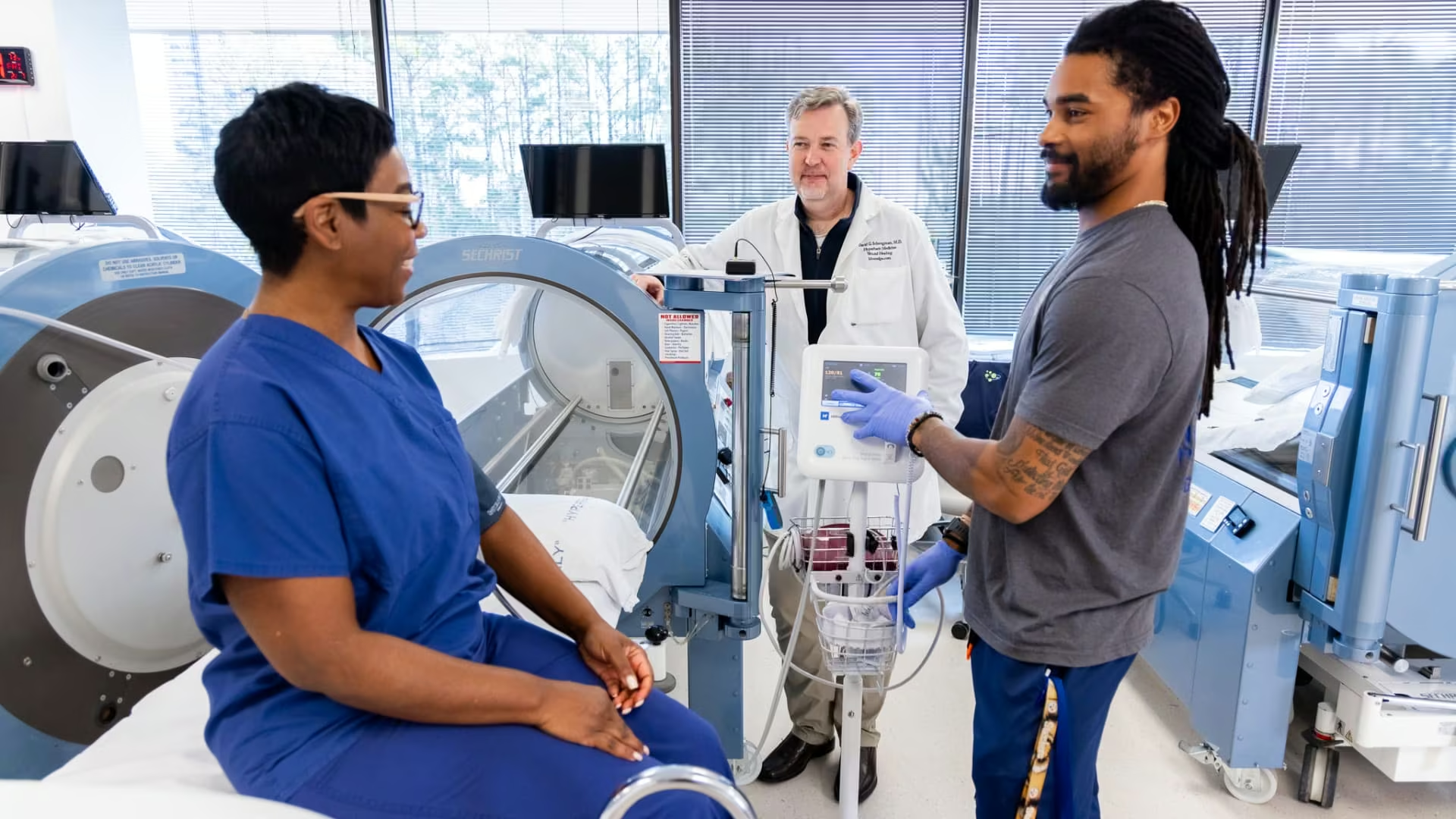
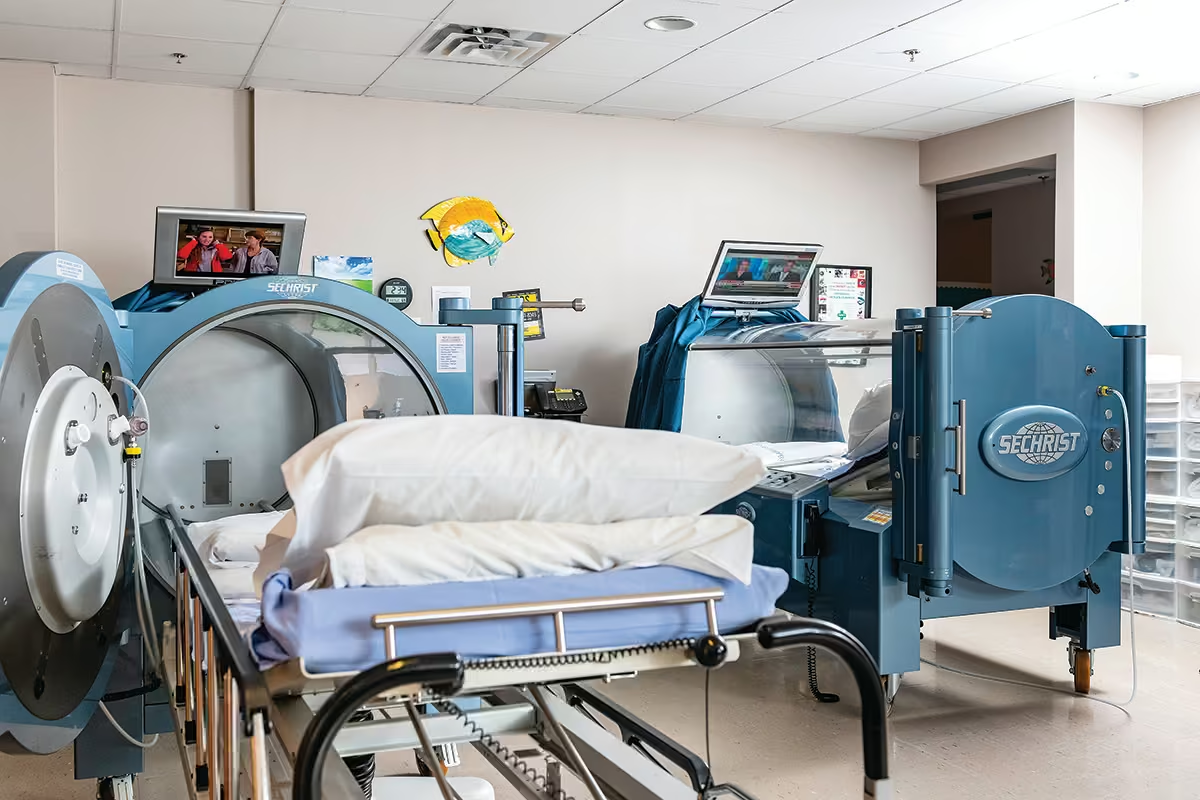
HBOT delivers medical-grade oxygen inside a pressurized chamber. This increased pressure and oxygen level pushes oxygen to dissolve into the bloodstream at higher levels and reach areas where circulation has been impaired. Increased oxygen availability is essential for tissue healing and the formation of new blood vessels, also known as angiogenesis.
Finding the Best Hyperbaric Oxygen Therapy Clinic in the Nation
Hyperbaric Physicians of Georgia has provided hyperbaric and wound care in Metro Atlanta since 1993. The practice has locations in Marietta, Cumming, and Sandy Springs and has maintained Undersea and Hyperbaric Medical Society accreditation with distinction since 2017.
Our radiation injury program addresses delayed radiation damage with physician-led evaluation, specialized hyperbaric chambers, and comprehensive wound care techniques, including surgical debridement, skin grafting, and negative pressure wound therapy when appropriate. This coordinated plan helps us address wound complications, tissue damage, and the patient's overall healing needs all at once.
Ready to get healing support from the best hyperbaric oxygen therapy in the United States?


.svg)
.svg)
.svg)
.svg)