

.svg)


.svg)

Whether you've had surgery, injured yourself, or developed a wound because of diabetes or poor circulation, you expect to see steady improvement from week to week. But when a wound remains open, stops getting smaller, or begins to worsen, it is usually a sign that your body needs more than only routine wound care. This is especially true for people healing from radiation therapy, as radiation can damage healthy tissue and blood vessels, making it much harder for wounds to repair themselves even months or years after cancer treatment.
According to the National Institutes of Health, chronic wounds affect millions of people each year and can significantly impact quality of life if left untreated. Understanding why some wounds heal as expected while others become chronic can help you recognize the need for specialized treatment before complications develop.
Continue reading to learn more about chronic wounds vs. acute wounds, how hyperbaric oxygen therapy and comprehensive wound care can work together for faster healing, and where to find the best hyperbaric oxygen therapy in Cumming for wound healing.
When Is a Wound Considered a Chronic Wound?
Acute wounds result from a specific injury or medical procedure. Examples include cuts, burns, surgical incisions, and traumatic injuries. Assuming there are no complications, these wounds progress through the body's normal stages of healing and gradually close over time.
Chronic wounds, on the other hand, remain open because something is interfering with the healing process. These wounds may improve slightly, then stop progressing altogether, or they may repeatedly break down after appearing to heal. Here's a simple comparison:
Reasons Why Some Wounds Stop Healing
Wound healing relies on a carefully coordinated process involving blood flow, oxygen, nutrients, immune cells, and healthy tissue repair. When one or more of these factors is disrupted, healing can slow dramatically. Several conditions commonly contribute to chronic wounds, including:
- Diabetes
- Poor circulation
- Peripheral artery disease
- Venous insufficiency
- Pressure injuries
- Infection
- Persistent swelling
- Smoking
- Poor nutrition
One of the most overlooked factors in wound healing is oxygen delivery. Every stage of healing depends on oxygen. Your body needs it to build new blood vessels, fight infection, produce collagen, and generate healthy tissue. When circulation is reduced, wounds may not receive enough oxygen to complete these essential tasks.
What Are the Warning Signs That a Wound Needs Specialized Care?
While every wound heals at its own pace, certain warning signs can suggest it's time for a professional evaluation. You should consider seeing wound care specialists in Cumming if your wound:
- Has not improved after two to four weeks
- Becomes larger instead of smaller
- Produces increasing drainage
- Develops a foul odor
- Shows persistent redness or swelling
- Changes to a dark or black color
- Exposes tendon, muscle, or bone
- Continually reopens after partially healing
How Are Chronic Wounds Diagnosed and Treated?
Effective wound care in Cumming begins with understanding why the wound isn't healing. During your evaluation, wound care specialists in Cumming will assess:
- Your overall medical history
- Blood flow to the affected area
- Signs of infection
- Blood sugar control
- Swelling or pressure affecting the wound
- Wound size and healing progress over time
Depending on the findings, your treatment plan may include:
- Debridement to remove unhealthy tissue
- Advanced wound dressings
- Compression therapy for venous ulcers
- Pressure offloading devices
- Blood sugar management
- Antibiotics when infection is present
- Wound vac therapy in Cumming when appropriate
- Hyperbaric oxygen therapy for qualifying conditions
When Can Hyperbaric Oxygen Therapy Help a Chronic Wound?
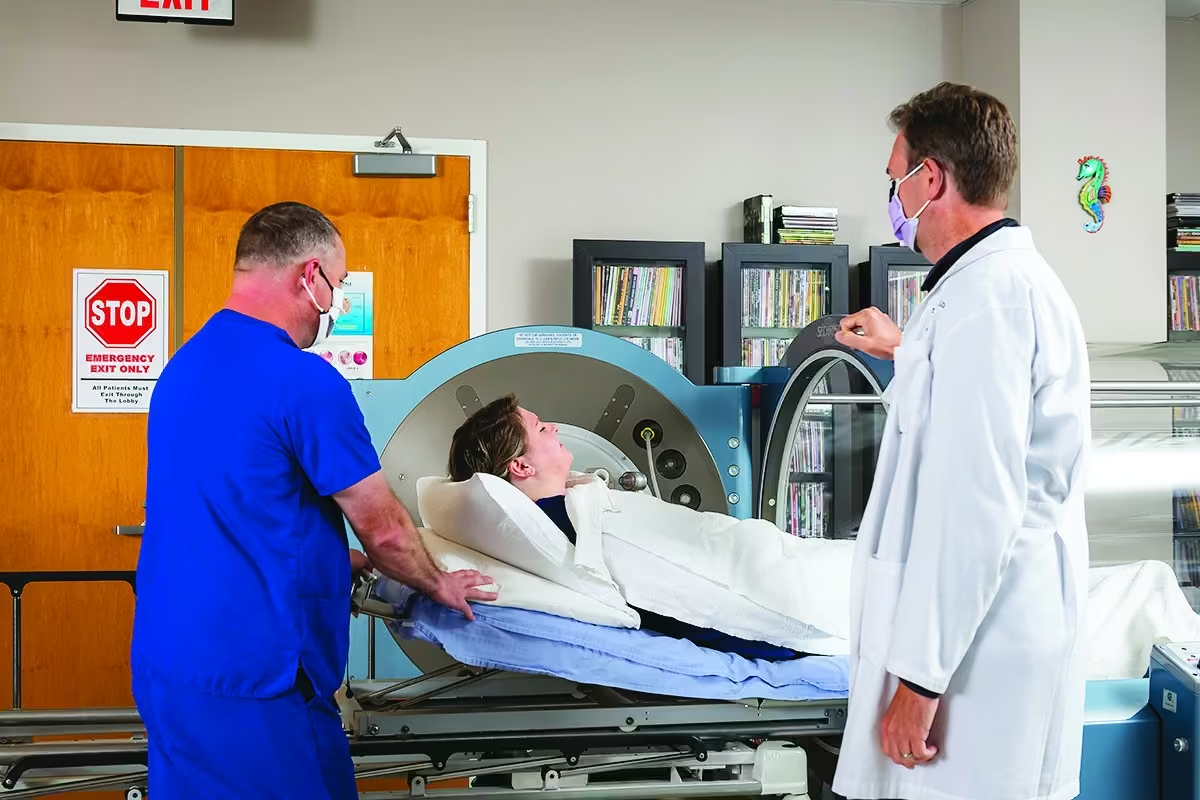
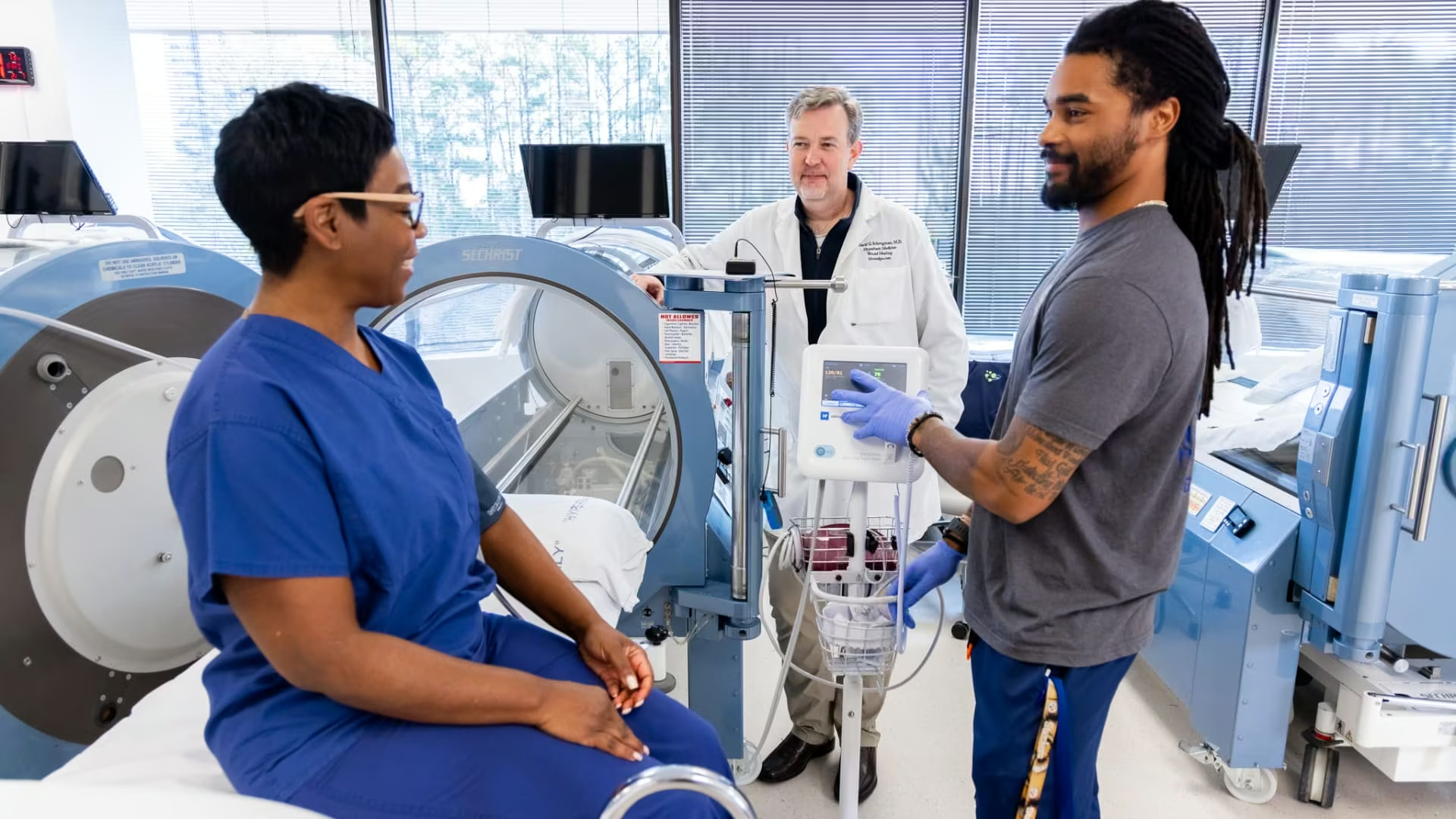
Hyperbaric oxygen therapy (HBOT) is one of several advanced treatments that may be recommended for certain chronic wounds. It is not appropriate for every patient, but for carefully selected individuals, it can significantly improve the body's ability to heal.
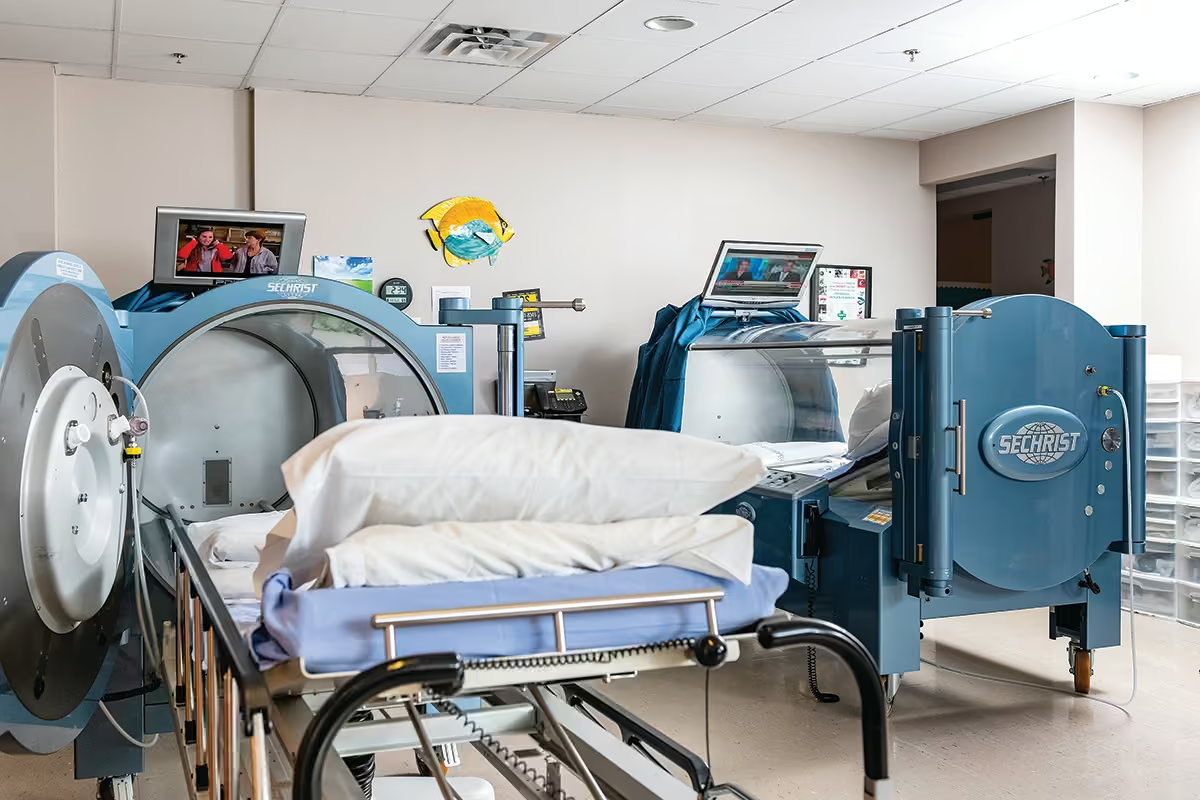
During treatment, patients breathe 99.7% oxygen inside a pressurized chamber. The increased pressure allows oxygen to dissolve more effectively into the bloodstream and reach damaged tissues that may not be receiving enough oxygen through normal circulation. Hyperbaric oxygen therapy can be recommended for conditions such as:
- Certain diabetic foot ulcers
- Delayed radiation injuries
- Compromised skin grafts or flaps
- Some non-healing surgical wounds
- Other wounds that meet established medical criteria
The goal of HBOT during wound care is to create an environment where healthy tissue repair can occur by supporting new blood vessel growth, improving infection-fighting capabilities, and stimulating collagen production. It's also important to understand that HBOT is one part of a comprehensive treatment plan. Patients usually will need to continue receiving wound cleaning, advanced dressings, pressure relief, blood sugar management, or vascular treatment alongside hyperbaric therapy.
Finding the Best Hyperbaric Oxygen Therapy in Cumming for Chronic and Acute Wounds
When healing slows or stops altogether, it's often a sign that something more is happening beneath the surface. Identifying the cause early gives you the best opportunity to prevent complications and restore healthy tissue.
Hyperbaric Physicians of Georgia gives people all across Metro Atlanta and North Georgia access to physicians who include board-certified experts in undersea and hyperbaric medicine, family medicine, emergency medicine, and advanced wound care.
At our state-of-the-art facilities in Marietta, Cumming, and Sandy Springs, our team is committed to helping you move toward healing with evidence-based, compassionate care. With a flawless safety record and UHMS Accreditation, we evaluate each patient's overall health, circulation, and healing needs to develop individualized treatment plans that support lasting recovery.
Ready to get advanced wound care that includes the best hyperbaric oxygen therapy in Cumming?

.svg)

.svg)
.svg)
.svg)