

.svg)


.svg)
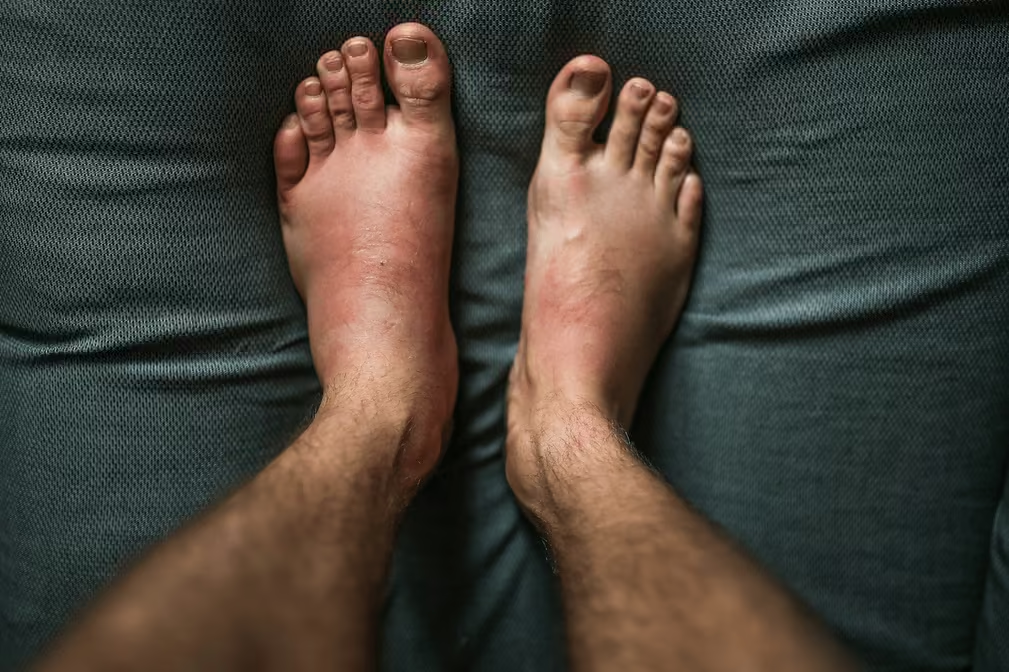

A pebble in your shoe, a small blister, or a cut from walking barefoot are all insignificant things for most people, but for those with diabetes, these things pose a serious threat to limbs and lives. In fact, about half of people with diabetes have some form of nerve damage, with neuropathy most commonly affecting the feet and legs.
Read on to learn how hyperbaric oxygen therapy (HBOT) from the best hyperbaric oxygen therapy clinic in Sandy Springs can help protect your foot health, preserve mobility, and avoid serious complications from diabetic neuropathy.
How Does Diabetic Neuropathy Increase the Risk of Foot Wounds?
Diabetic neuropathy is a type of nerve damage caused by diabetes. It most often affects the feet and lower legs, where it can reduce or completely eliminate the ability to feel pain, pressure, heat, or injury. Most people with diabetes will first notice numbness, tingling, or a burning sensation. Over time, feeling in the feet may become limited enough that stepping on a sharp object or developing a blister goes unnoticed.
Pain serves as the body's natural warning system. When that warning system is weakened, everyday injuries can continue to worsen without attracting attention. A small blister from a tight shoe or a pressure spot from walking can gradually develop into an open wound. Because the injury may not hurt, many patients do not realize there is a problem until significant tissue damage is well underway.
What Are the Early Warning Signs of a Diabetic Foot Ulcer?
A diabetic foot ulcer often develops slowly. The earliest signs may be subtle and easy to miss, especially for someone with reduced sensation. Redness, swelling, calluses, dry or cracked skin, and areas of discoloration can all signal excessive pressure or tissue damage beneath the surface.
Many ulcers form beneath calluses, where repeated pressure causes damage over time. Some patients first discover a problem when they notice drainage on a sock or a stain inside a shoe. Others see changes in skin color or swelling around a particular area of the foot. Daily foot inspections are one of the most effective ways to identify these warning signs early. Checking the tops, bottoms, sides, and spaces between the toes can help catch problems before they progress into deeper wounds.
Why Do Diabetic Wounds Heal So Slowly?
Healing of diabetic foot wounds relies heavily on healthy circulation, oxygen delivery, and a strong immune response. Diabetes can interfere with all three. High blood sugar levels damage blood vessels over time, reducing the flow of oxygen-rich blood to the feet and lower legs. Without adequate oxygen and nutrients, the body struggles to repair injured tissue. Left untreated, some wounds can deepen to the point that they affect structures beneath the skin, including tendons and bone.
Diabetes also affects how the immune system responds to infection. This makes it harder for white blood cells to reach the wound and fight harmful bacteria. At the same time, nerve damage can allow wounds to worsen unnoticed. These factors work together to create an environment where wounds remain open longer and face a greater risk of infection.
When Does a Diabetic Foot Wound Become Dangerous?
Any breakdown of the skin in a person with diabetes deserves attention, though certain signs suggest infection or worsening tissue damage:
- Increasing redness
- Warmth
- Swelling
- Drainage
- Foul odor
- Skin discoloration
A wound that fails to show signs of improvement within a few weeks of standard wound care should always be evaluated by a wound care specialist, preferably one who can incorporate hyperbaric oxygen therapy into the treatment plan.
How Can Advanced Wound Care and Hyperbaric Oxygen Therapy Help?
Chronic diabetic wounds often need more than basic wound care. They require a comprehensive wound care treatment plan that includes specialized wound care techniques, including:
- Debridement to remove damaged tissue
- Infection management
- Pressure-relief techniques
- Vascular evaluation
- Close monitoring by experienced physicians
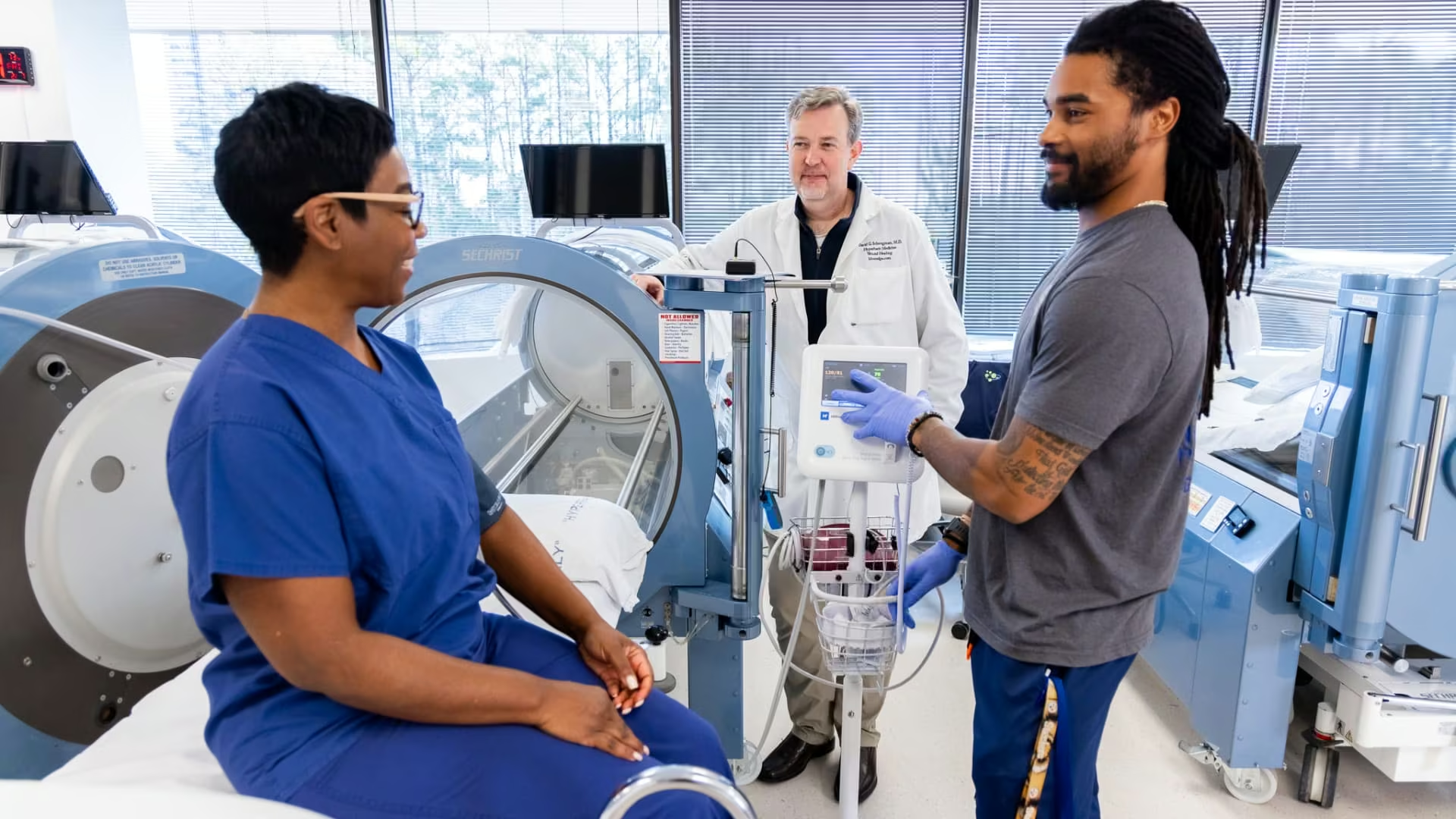
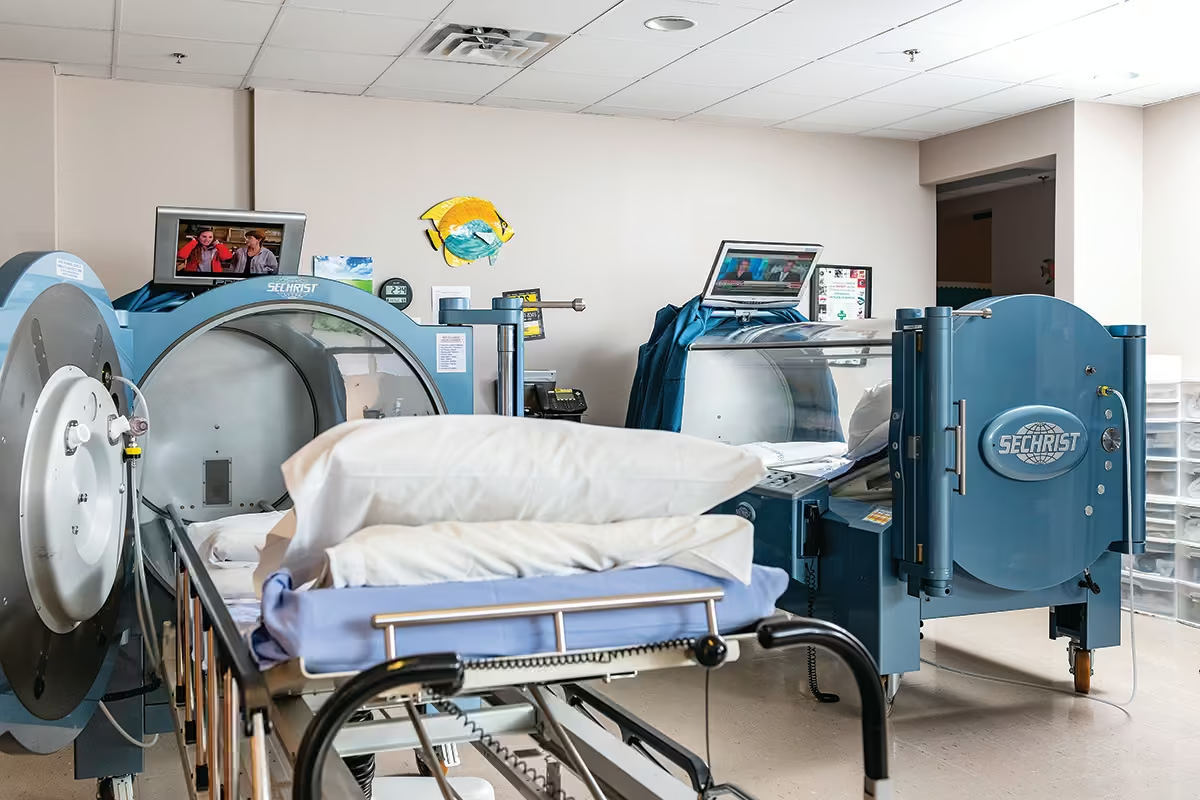
Hyperbaric oxygen therapy also offers significant benefits to the healing process. During treatment, you breathe 99.7% medical-grade oxygen inside a pressurized chamber, which allows oxygen to reach areas with poor circulation and supports the body's natural repair mechanisms. Increased oxygen delivery helps to stimulate new blood vessel growth, strengthen immune function, and improve the healing environment within chronic wounds.
Is Hyperbaric Oxygen Therapy Evidence-Based?
Evidence-based care is important when dealing with chronic or non-healing wounds. This is why many patients are relieved to know that hyperbaric oxygen therapy is recognized by the Undersea and Hyperbaric Medical Society and approved for diabetic wounds that have not responded adequately to standard treatment.
Finding the Best Hyperbaric Oxygen Therapy Clinic in Cumming, GA for Diabetic Foot Ulcers
When diabetic neuropathy reduces your ability to feel pain, a small wound can progress much farther than expected. Paying attention to changes in your feet, seeking care early, and addressing wounds before complications develop is important for protecting your mobility and long-term health.
At Hyperbaric Physicians of Georgia, we provide advanced care for diabetic foot ulcers and chronic wounds through a physician-led team experienced in complex wound healing. Our approach to patient-first care includes combining advanced wound care, comprehensive evaluations, and evidence-based hyperbaric oxygen therapy to help patients heal difficult wounds, preserve healthy tissue, and reduce the risk of limb-threatening complications.
Our UHMS-accredited facilities across Metro Atlanta are visited by thousands of patients every year from across the nation because we have delivered more than 125,000 hyperbaric oxygen treatments and maintained a 100% safety record.
Ready to protect your independence with the best hyperbaric oxygen therapy for diabetic foot ulcers in Cummings, GA?

.svg)

.svg)
.svg)