

.svg)


.svg)


Poor circulation is one of the biggest reasons for a wound that won’t heal. Healing wounds require oxygen to build new tissue and fight infection, which is why skin ulcers in people who are diabetic, immunocompromised, or elderly can linger for weeks or even months without improvement.
Hyperbaric oxygen therapy (HBOT) is now considered a standard of care for many medical conditions, including decompression sickness, carbon monoxide poisoning, diabetic wounds, delayed radiation injury, necrotizing fasciitis, gangrene, osteomyelitis, and many other conditions backed by peer-reviewed research.
Read on to learn how treatment at the best hyperbaric oxygen therapy clinic in Metro Atlanta and North Georgia works to improve circulation and deliver oxygen to oxygen-starved tissues.
How Does Hyperbaric Oxygen Therapy Work to Improve Circulation and Oxygen Delivery to Damaged Tissue?
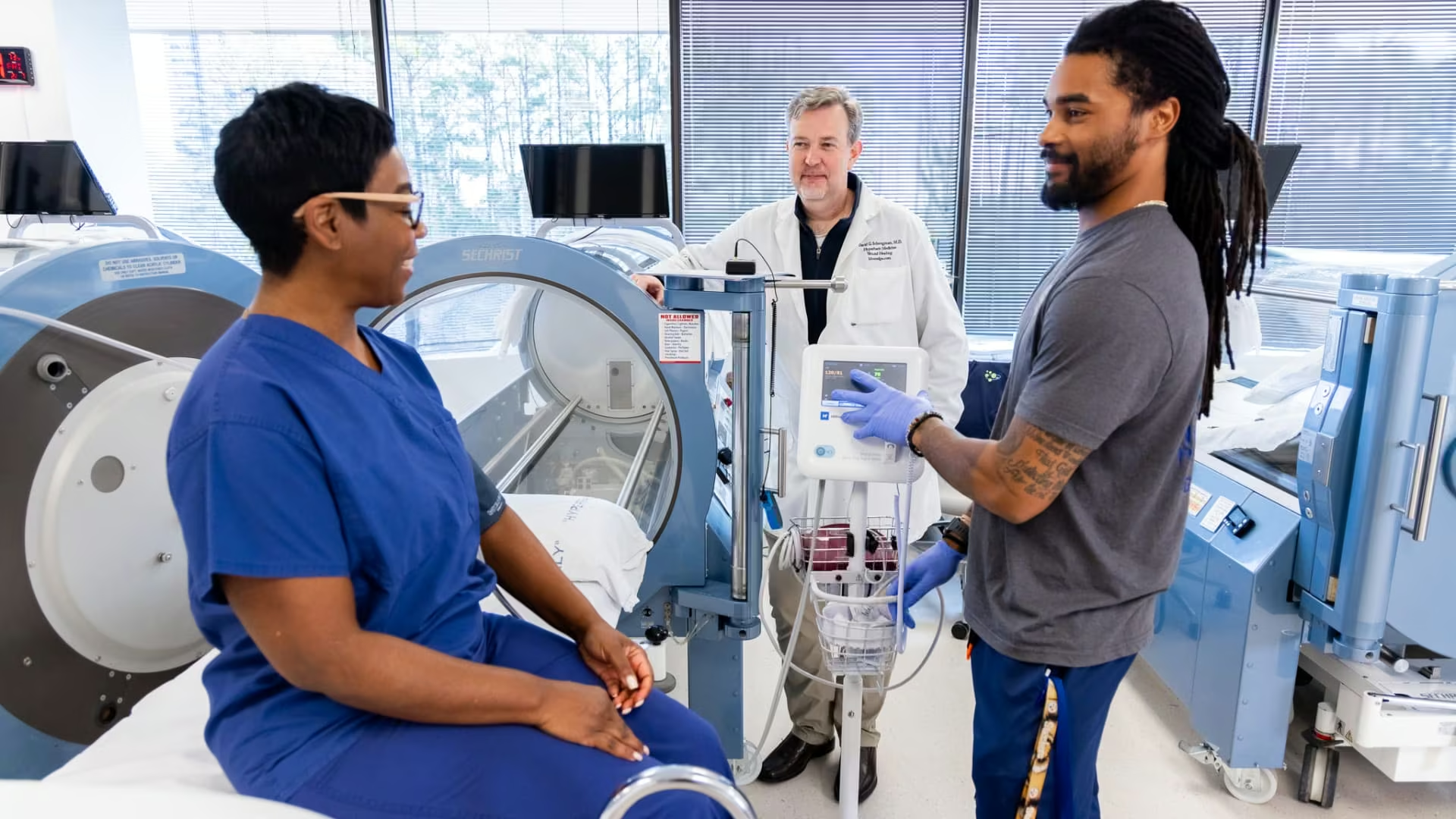
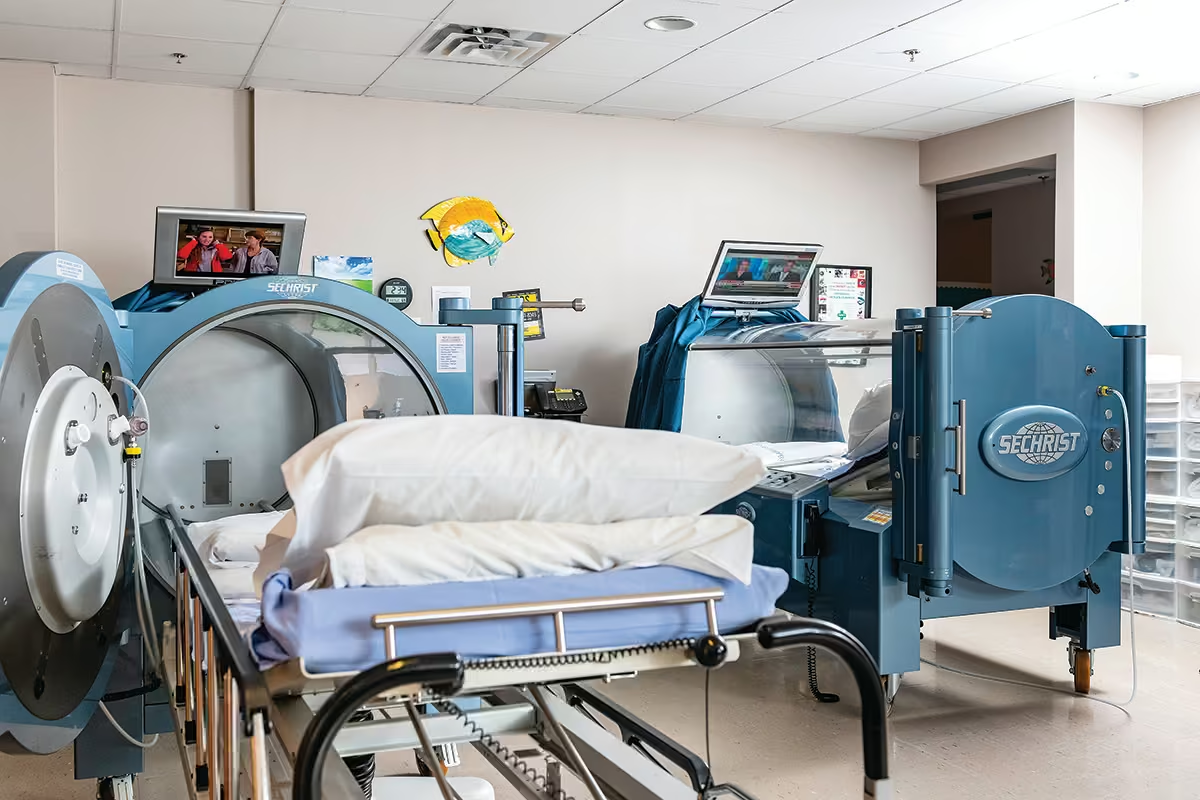
Inside a pressurized chamber, patients breathe 99.7% oxygen at 1.9 to 3.0 times normal atmospheric pressure, allowing oxygen to reach damaged tissues and blood vessels that would otherwise struggle to obtain sufficient oxygen. Alongside expert wound care, this treatment supports wound healing, helping even the most stubborn diabetic foot ulcers and gas gangrene heal while lowering the risk of infection and limb loss.
Hyperbaric Oxygen Therapy for Healing Diabetic Foot Ulcers
The most common reason for diabetic foot ulcers that won’t heal is poor circulation, which means oxygen does not reach the damaged tissues. This is usually because blood vessels become damaged over time due to high or erratic blood sugar levels. Without oxygen, the body struggles to build new tissue and control bacteria. Hyperbaric oxygen therapy helps diabetic foot ulcers heal by increasing the amount of oxygen your red blood cells carry and delivering more oxygen to stressed tissue in any part of the body.
Combined with comprehensive wound care, the best hyperbaric oxygen therapy for diabetic foot ulcers in Metro Atlanta and North Georgia helps non-healing ischemic diabetic foot ulcers heal faster than standard wound care alone. This is good news for patients who want to avoid complications like osteomyelitis, gangrene, or limb amputation.
Hyperbaric Oxygen Therapy for Acute Peripheral Ischemia
Acute peripheral ischemia (API) happens when blood flow to a hand, foot, or leg is suddenly restricted, depriving tissue of oxygen. When this occurs, the skin may turn pale or bluish, the limb may feel icy or numb, and pain may be unbearable. The tissue is low in oxygen, and cells may begin to malfunction. If tissue hypoxia continues, tissue death can eventually occur.
Hyperbaric oxygen therapy facilitates oxygen delivery to threatened tissues and supports the limb while a vascular team works to restore flow. HBOT also helps reduce swelling and tissue stress during recovery from API, when reperfusion can trigger inflammation in already-fragile tissue.
Hyperbaric Oxygen Therapy for Gangrene
Gangrene is a medical emergency because tissue is dying from a severe loss of blood flow, infection, or both, and the area can turn dark, blistered, and foul-smelling while pain may spike or disappear as nerves are damaged.
Hyperbaric oxygen therapy is used as a complementary treatment alongside conventional medical care for severe infections such as gas gangrene, because high-pressure oxygen helps deliver oxygen to threatened tissue, which can slow the growth of oxygen-hating bacteria and support the body’s ability to fight infection.
HBOT can also help reduce swelling and support wound healing around the damaged area, but it does not replace urgent care, such as surgery to remove dead tissue, strong antibiotics, and, when possible, restoring blood flow.
What to Expect During an HBOT Session for Better Circulation and Wound Healing
An HBOT treatment plan starts with a medical evaluation where the team reviews your health history and conducts a physical exam of your wound that includes looking for signs of infection and peripheral arterial disease. Because HBOT is not one size fits all, sessions are recommended based on your specific needs. Typically, sessions last about one to two hours, and many people come in a few times a week for several weeks.
Is Hyperbaric Oxygen Therapy Safe?
The most common risks of hyperbaric oxygen therapy are pressure-related, like feeling your ears pop or sinus pressure during the pressurization of the chamber. Serious complications are uncommon but can include an increased risk of lung problems, especially if you’ve previously had a collapsed lung. Going to an HBOT facility that has a flawless safety record and is accredited by the Undersea and Hyperbaric Medical Society (UHMS) greatly reduces your risks of side effects.
Where to Find The Best Hyperbaric Oxygen Therapy in Metro Atlanta and North Georgia
At Regenerative and Hyperbaric Medicine, our team of physicians delivers HBOT in accredited facilities designed for safety, consistency, and real clinical results, with careful screening, precise treatment planning, and teams who are dedicated to patient-first care.
Our treatment options are designed for people dealing with serious healing challenges. We also offer coordinated care as needed, so HBOT fits into your comprehensive recovery plan.
With advanced hyperbaric centers in Marietta, Sandy Springs, and Cumming, patients from across the United States travel to us because our focus stays on what matters most: precise protocols, disciplined safety standards, and effective, advanced treatment that supports healing when time and tissue matter.
Ready to get safe and effective HBOT treatment with the best hyperbaric oxygen therapy in Metro Atlanta and North Georgia?

.svg)

.svg)
.svg)