

.svg)


.svg)


A breast reconstruction after cancer treatment is the moment many women start to feel like themselves again. Which is why it’s so alarming if the skin graft turns dusky, a wound begins to open, or an implant starts to press against thinning tissue. These early warning signs, known as failed or threatened reconstruction, are often the result of low blood flow, tissue stress, or infection.
Research shows that low oxygen levels are a major factor in making it harder for damaged tissue to heal, and hyperbaric oxygen therapy (HBOT) is the most effective treatment for flooding the bloodstream with medical-grade oxygen that helps new blood vessels form.
Read on to learn how HBOT gives struggling skin and muscles a better chance to recover and where to find the best hyperbaric oxygen therapy in Marietta for accredited care.
Hyperbaric Oxygen Therapy for Failing Breast Reconstruction
It’s a scary feeling when a breast reconstruction flap starts to darken or feel cool to the touch. This early warning sign can signal that the tissue isn’t getting enough oxygen, which can lead to flap necrosis or tissue death if nothing is done to enhance healing. This is more common among those who have radiation-damaged tissue from previous cancer treatment. For these patients, hyperbaric oxygen therapy is a lifeline that can flood the bloodstream with a surge of oxygen that encourages tiny blood vessels to repair themselves faster. The use of HBOT alongside careful monitoring, comprehensive wound care, and quick treatment of complications like infection or pressure sores can increase the odds of healing even more.
How Does Hyperbaric Oxygen Therapy Work to Promote Healing After Breast Reconstruction
After breast reconstruction, even small changes in the skin can be a subtle sign that there’s a problem. If tissue isn’t getting enough blood flow, it can lead to tissue breakdown or tissue necrosis. Hyperbaric oxygen therapy helps protect the reconstruction by delivering 99.7% oxygen to the tissue that’s struggling, giving it the support it needs to recover before damage spreads.
Breathing medical-grade oxygen at higher-than-normal atmospheric pressure promotes new blood vessel growth, reduces swelling, and helps reduce inflammation, which all work to stabilize threatened skin, improve the health of the surgical site, and support better outcomes for both implants and expanders.
When Should You Get Hyperbaric Oxygen Therapy After Breast Reconstruction?
Timing is one of the most frequent questions our patients ask, especially, “How soon after a breast reconstruction should I consider hyperbaric oxygen therapy?” and, “Should I get hyperbaric oxygen therapy even if everything is healing okay?” The answers to each of these questions have some nuance. First, it’s important to understand that HBOT is most helpful when there are early signs that the tissue isn’t getting enough oxygen. This can include:
- Darkening skin around the incisions
- Cool areas around the incision
- Unusual swelling
- Pain that feels different from the normal post-operative soreness
Starting HBOT as soon as these changes appear can help protect against complications for some people. In fact, some surgeons may recommend HBOT pre-emptively for patients who have higher risks, such as a history of smoking, diabetes, prior radiation, or poor circulation.
What to Expect During Hyperbaric Oxygen Therapy Treatment for Breast Flap or Breast Implant Salvage
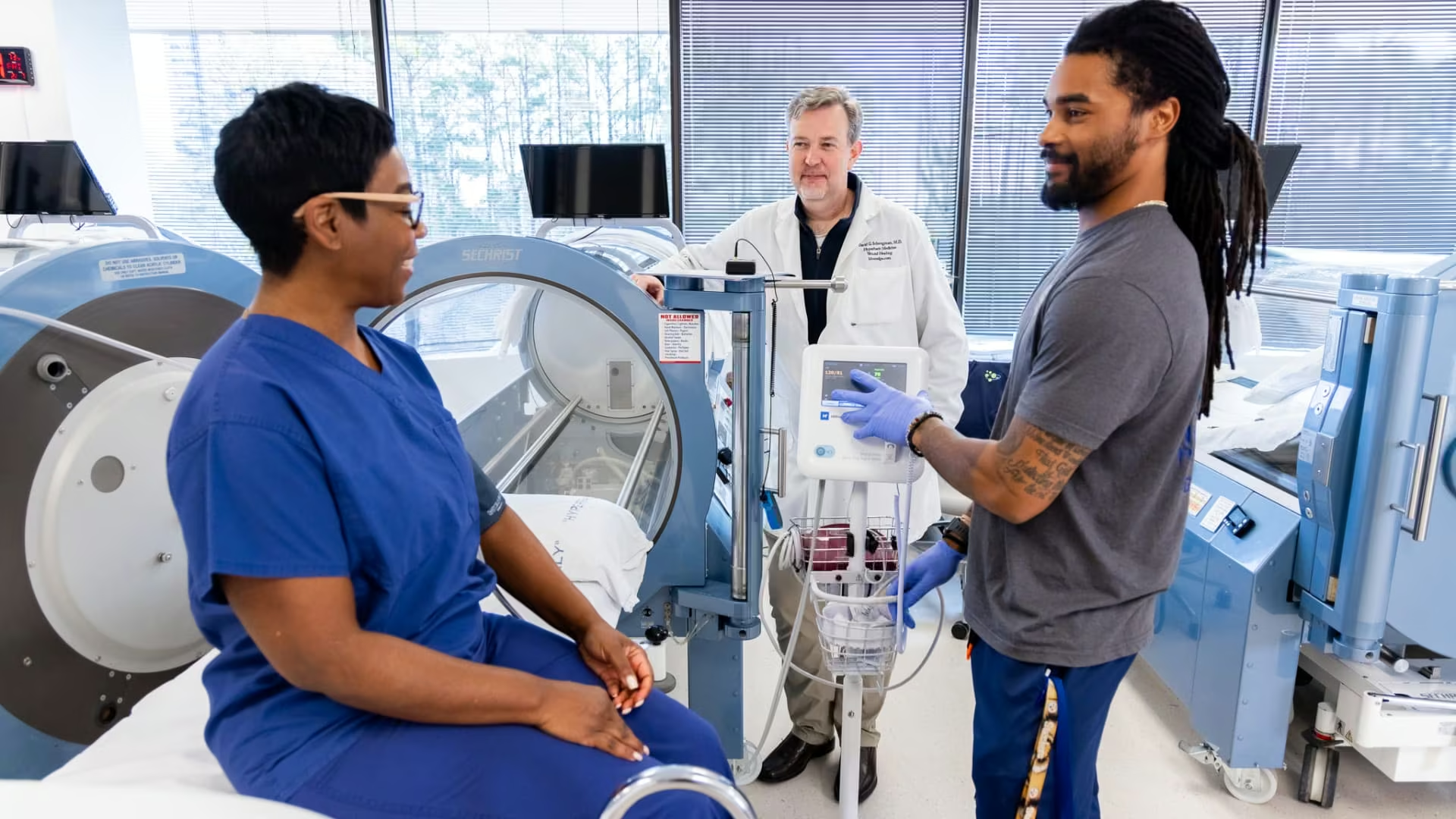
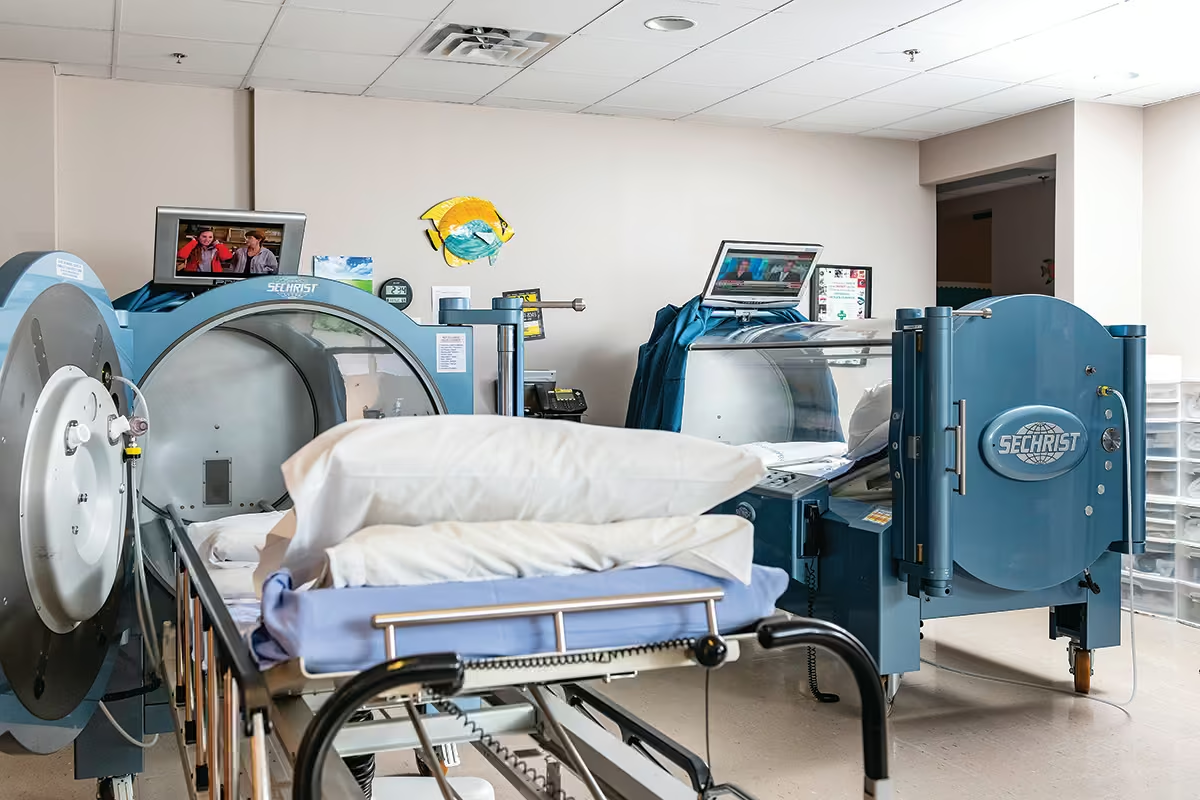
A typical HBOT treatment is an experience that most people find relaxing. During treatment, you’ll settle into a clear, pressurized chamber for around 90 to 120 minutes while breathing medical-grade oxygen. Most people listen to music, podcasts, or audiobooks, watch a movie, or just take a nap during treatment. How often you get treatment varies, based on how the skin and deeper tissue respond. More complex injuries or radiation-related problems usually need twenty to thirty sessions at a minimum.
Is Hyperbaric Oxygen Therapy Safe?
Most people find that HBOT feels similar to the pressure changes on an airplane, and the most common side effects are brief moments of ear fullness or feeling a little fatigued after a session. These sensations usually fade quickly and rarely interrupt daily routines. More serious problems like oxygen-related seizures or lung injury are uncommon, and accredited HBOT facilities reduce these risks by checking a patient’s history, following set treatment protocols, and keeping a trained team nearby throughout each session.
People with lung diseases, untreated sinus or ear issues, or a history of pneumothorax need different care, and certain chemotherapy drugs may require waiting until it’s safe to begin treatments. This is why the FDA recommends choosing an accredited treatment facility.
Finding the Best Hyperbaric Oxygen Therapy in Marietta for Failing Skin Grafts and Flaps
When healing stalls, finding an accredited hyperbaric oxygen therapy facility with a flawless safety record is important. This is why people all across the nation come to Regenerative and Hyperbaric Medicine. Our patients visit our clinics in Cumming, Marietta, and Sandy Springs from all across Metro Atlanta, North Georgia, and beyond because they want HBOT treatments delivered with precision and supported by decades of expertise.
With more than thirty years of experience and an accreditation through the Undersea and Hyperbaric Medical Society that reflects our consistent safety, rigorous standards, and years of proven practice, our team of physicians and technicians offers care you can trust.
Ready to regain healing momentum with help from the best hyperbaric oxygen therapy in Marietta?

.svg)

.svg)
.svg)