

.svg)


.svg)


A wound that refuses to heal can mean daily dressing changes and a constant worry about infection. Chronic wounds are a silent epidemic in the United States, affecting one in six people over the age of 65.
When standard treatments stop working, two of the most effective options wound care specialists turn to are surgical debridement and negative pressure wound therapy (NPWT). Together, these treatments work to give your body the clean, healthy environment it needs to finally start closing the wound.
Continue reading to learn how the best wound care clinic in Sandy Springs uses both treatments as part of a full, personalized wound care plan for patients across Metro Atlanta and North Georgia.
What is Wound Debridement and When is it Necessary?
Stalled wound healing usually comes down to one problem: dead or dying tissue. When necrotic tissue builds up in a wound, it physically blocks the body's healing process, trapping the wound in an early stage of inflammation where new, healthy tissue cannot grow. Debridement is the procedure that removes the tissue so the surrounding tissues can finally get the oxygen and nutrients necessary for healing.
Dead tissue also feeds bacteria, increasing the risk of localized infection, sepsis, and antibiotic resistance. Removing it through debridement directly addresses those risks and prepares the wound bed for the rest of the healing process.
Types of Wound Debridement
Not every wound gets treated the same way. The type of debridement recommended for you depends on how deep the wound is, how much dead tissue is present, whether infection is involved, and your overall health. The most common methods include:
- Surgical debridement
- Enzymatic debridement
- Mechanical debridement
- Autolytic debridement
- Biological debridement
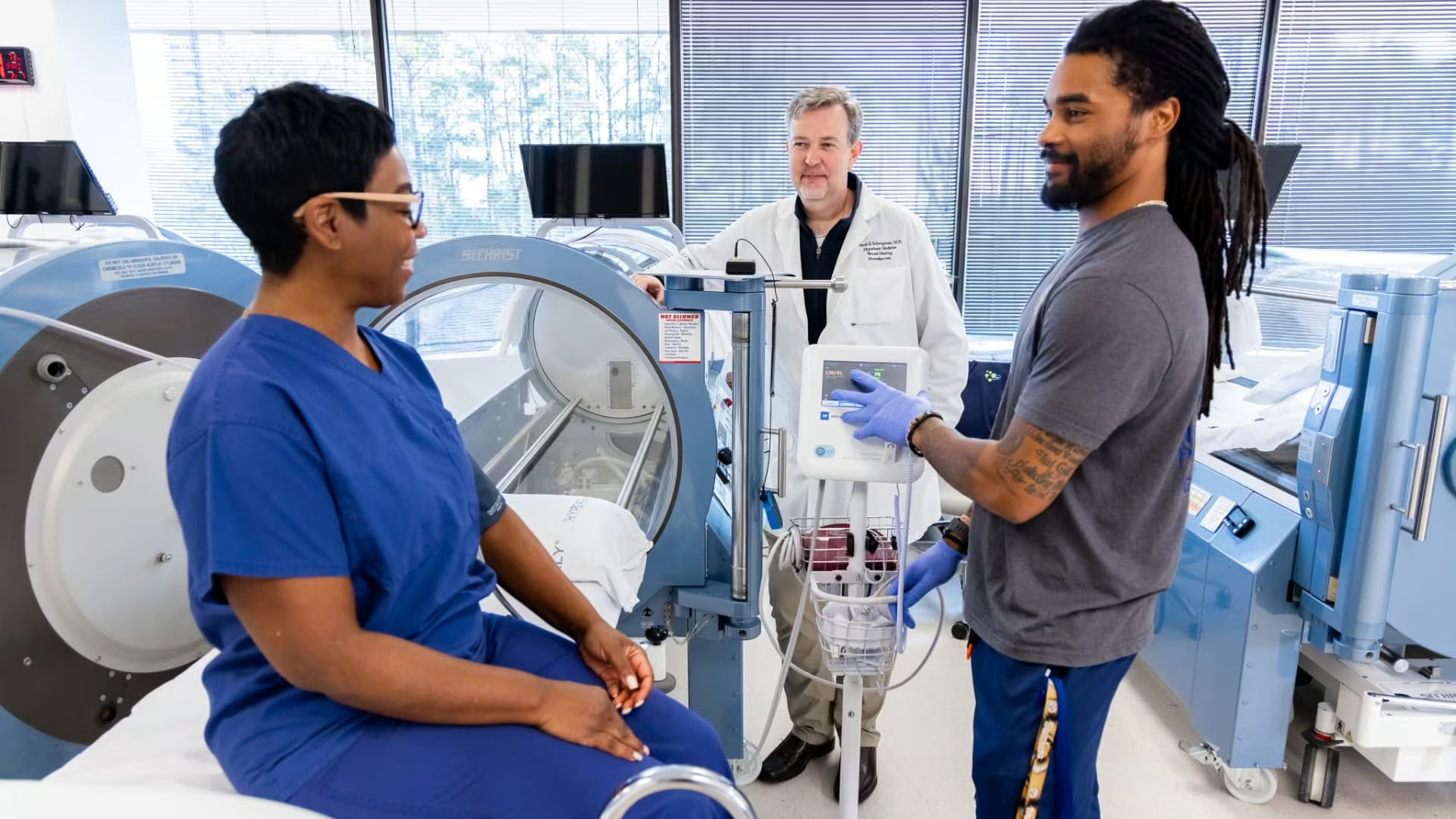
Each approach is suited to a different wound type, infection level, and patient condition. Many patients with chronic wounds have debridement done weekly with a wound care specialist in Sandy Springs. And when one method alone is not enough, combining approaches often works better. Additionally, hyperbaric oxygen therapy can also help accelerate healing for chronic wounds by forcing additional oxygen into the red blood cells.
What to Expect Before, During, and After Wound Debridement
If your doctor has recommended surgical debridement, knowing what to expect can make the experience much less stressful:
- Most debridement procedures take between 10 and 30 minutes
- A topical anesthetic is typically used to numb the area so you feel only mild pressure rather than pain
- Full recovery generally takes six to 12 weeks, though the timeline depends on the size, location, and severity of the wound, as well as the debridement method used
Post-debridement care includes daily dressing changes, keeping the wound dry, avoiding baths and hot tubs, eating well to support tissue repair, and attending all follow-up visits with the best wound care specialists in Sandy Springs.
What is Negative Pressure Wound Therapy?
Negative pressure wound therapy (NPWT) uses a small machine, a foam or gauze dressing, and a sealed covering to create gentle suction over the wound. That suction pulls fluid and bacteria out of the wound while protecting it from outside contaminants, creating a clean, controlled environment where healing can happen.
Additionally, NPWT increases blood flow to the wound, stabilizes the wound environment, and triggers the formation of new tissue. All of these benefits speed up the healing process. NPWT does not require a hospital stay; the NPWT machine is typically changed every two to five days, depending on the size, location, and severity of the wound.
Who is a Candidate for Negative Pressure Wound Therapy?
NPWT is for patients whose wounds are not responding to other treatments. It is often recommended for wounds that have not healed despite comprehensive wound care for at least 30 days, particularly in patients dealing with underlying conditions like diabetes, malnutrition, or small vessel disease that make healing harder.
It also plays an important role in acute situations. Wounds from open fractures, contaminated surgeries, and surgical debridement of serious infections are all cases where NPWT is commonly used to protect the wound and encourage tissue repair while the body recovers. That said, NPWT is not appropriate for every patient. It should not be applied to wounds involving an underlying malignancy, and in patients with poor blood flow to the affected area. Only an evaluation with the best wound care specialist in Sandy Springs can determine whether NPWT is safe and appropriate for your specific situation.
Discover the Best Wound Care Clinic in Sandy Springs for Negative Pressure Wound Therapy, Hyperbaric Oxygen Therapy, and Debridement
When dead tissue, poor circulation, or an underlying condition like diabetes is standing between you and recovery, surgical debridement and negative pressure wound therapy give your body the tools it needs to move forward. And when those treatments are combined with hyperbaric oxygen therapy, the results can go even further.
At Hyperbaric Physicians of Georgia, our team builds each treatment plan around your specific needs. With state-of-the-art wound care clinics in Marietta, Cumming, and Sandy Springs, we serve patients across Metro Atlanta and North Georgia who are struggling with chronic wounds and ready for a comprehensive approach to healing.
Ready to trust the best wound care clinic in Sandy Springs to help you fully recover from a chronic or non-healing wound?


.svg)

.svg)
.svg)