

.svg)


.svg)

An estimated 72,680 Americans will be diagnosed with cancer of the oral cavity, pharynx, or larynx this year, and many of them will need radiation to the head and neck to survive. What few of these patients are warned about is that long after treatment ends, a routine trip to the dentist can set off one of the most feared complications in oncology: osteoradionecrosis of the jaw, also known as ORN.
ORN is the slow death of jawbone tissue inside the area that was once irradiated, often triggered by something as ordinary as dental treatment. ORN can lead to chronic pain, exposed bone, jaw fractures, and, in the most advanced cases, the partial removal of the jaw itself.
Read on to learn what makes everyday dental work uniquely dangerous for head and neck cancer survivors, how hyperbaric oxygen therapy (HBOT) is being used both before and after dental procedures to improve healing, and where to find the best hyperbaric oxygen therapy in Cumming.
What is Osteoradionecrosis of the Jaw?
Osteoradionecrosis of the jaw is a condition where bone inside the area treated with radiation slowly dies or refuses to heal. Doctors define it as exposed bone in the head and neck region that has not closed up after three months or longer, with no sign that the original cancer has returned.
It almost always shows up in the lower jaw, known as the mandible, because that bone is denser and has fewer blood vessels feeding it than other parts of the face. Early signs are easy to brush off as something minor, which is part of what makes ORN so dangerous. Symptoms you might notice include things like a:
- Sore in your mouth that just will not close
- Small piece of bone poking through the gum
- Metallic taste or bad breath that toothpaste cannot fix
- Tooth that feels loose for no clear reason
- Numbness in your lip or chin
In later stages, the jaw can swell, drain pus, or even break under normal chewing pressure. One of the hardest things to understand about ORN is that it does not always show up right after radiation. It often appears several years after finishing radiation treatment, sometimes after a dental visit, which means anyone who has received radiation to the head or neck stays at a higher risk for the rest of their life.
Why Does Irradiated Bone Lose Its Ability to Heal?
The radiation doses used to kill cancer cells also damage the tiny blood vessels that carry oxygen and nutrients into the jaw. Over time, those vessels narrow and shut down, leaving the bone in a state researchers call the three Hs:
- Hypoxic, meaning low in oxygen
- Hypovascular, meaning short on blood flow
- Hypocellular, meaning low in the living cells needed to rebuild tissue
Healthy bone can shrug off a small wound because it has a fresh supply of blood and bone-building cells ready to step in. Irradiated or weakened bone does not. When the gum is broken open by a tooth extraction, a sore caused by dentures, or an oral biopsy, the body tries to start the normal repair process, but cannot finish it. Bacteria from the mouth then move into the dead tissue, and what looked like a routine wound turns into a sore that simply will not close. This is why standard antibiotics rarely fix ORN on their own.
How Does Hyperbaric Oxygen Therapy Help Prevent and Treat ORN?
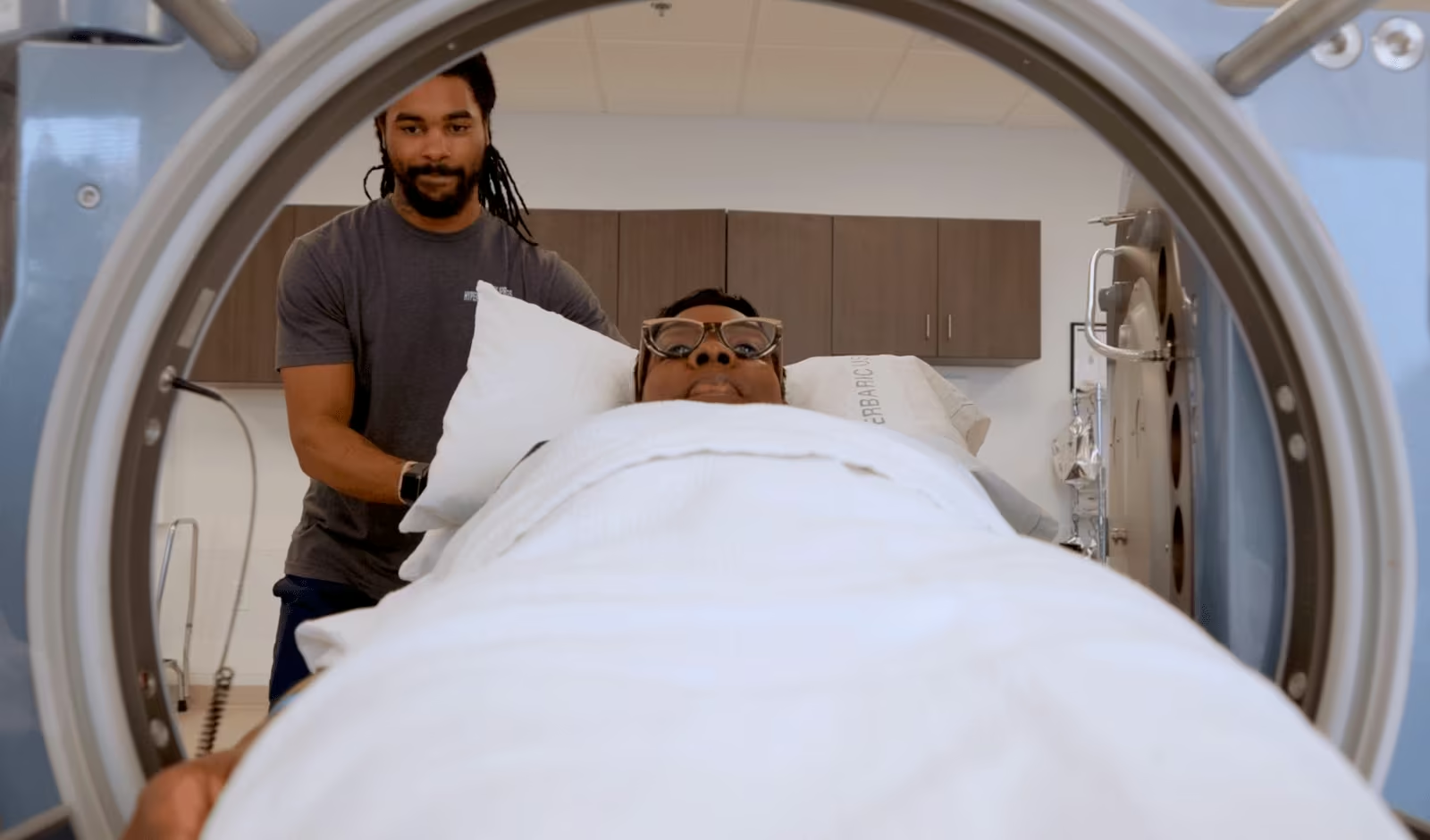
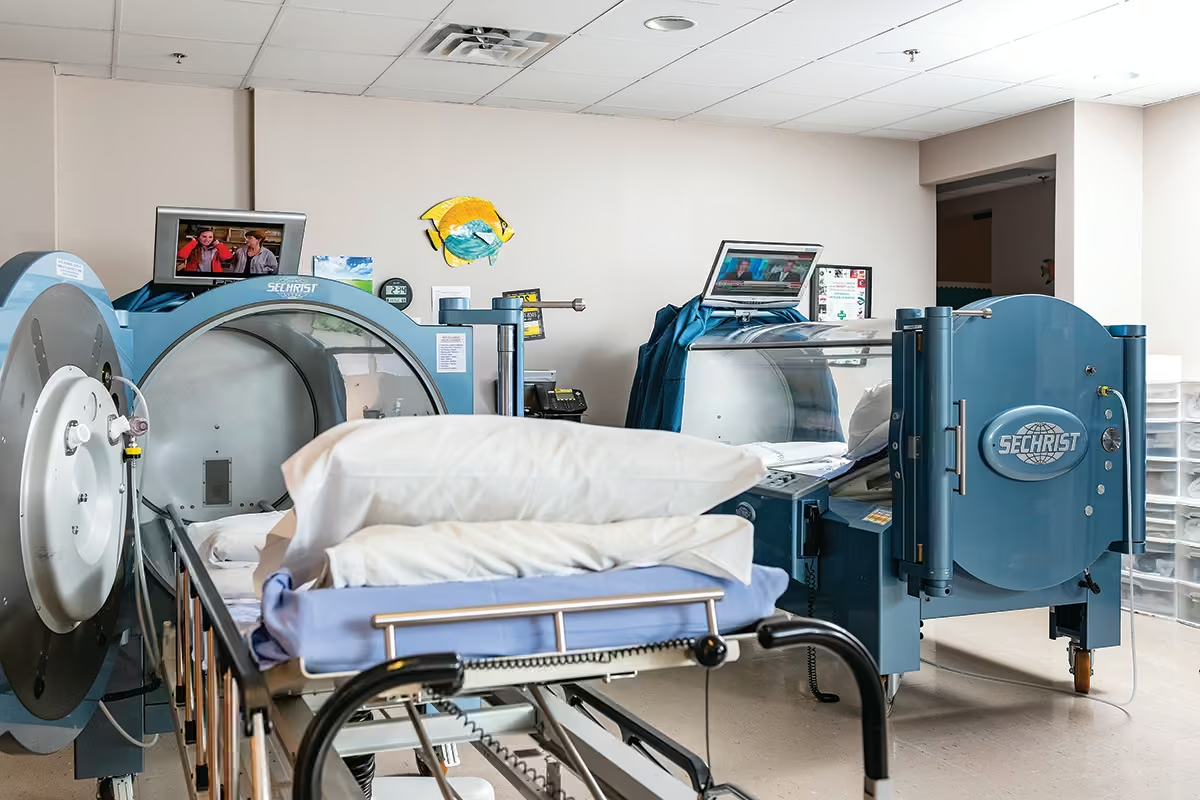
Hyperbaric oxygen therapy is a treatment that uses pressure and pure oxygen to do something the body cannot do on its own after radiation. It floods the damaged tissue with the medical-grade oxygen it needs to start rebuilding. During a typical HBOT session, you lie inside a sealed chamber pressurized to about two to two and a half times normal atmospheric pressure and breathes 99.7% oxygen for around 60 to 90 minutes.
At that pressure, oxygen dissolves directly into the blood plasma in much higher amounts than usual, which lets it reach tissue that the damaged blood vessels can no longer feed. Over a series of these sessions, the extra oxygen does three powerful things:
- Triggers the growth of new tiny blood vessels in the irradiated area, a process called angiogenesis
- Wakes up the fibroblasts and osteoblasts that build new soft tissue and new bone
- Slowly reverses the hypoxic, hypovascular, hypocellular damage that made the area unable to heal in the first place
A systematic review of clinical studies concluded that HBOT significantly improved the probability of healing of irradiated tooth sockets following dental extraction and appears to reduce the chance of ORN following tooth extraction in an irradiated field, with similar evidence supporting its use for treating ORN that has already started.
What is the Hyperbaric Oxygen Therapy Protocol Before and After Dental Procedures?
The most widely used HBOT plan for dental work in irradiated patients is called the Marx Protocol, named after Dr. Robert Marx, the oral surgeon who first created it. It includes 20 HBOT sessions before the dental procedure to build up new blood vessels in the jaw, followed by 10 more sessions after the procedure to support healing of the surgical site.
Each session typically lasts about 90 minutes at 2.4 atmospheres of pressure and is given once a day on weekdays. A full pre-procedure course usually takes around four weeks, which is something patients and oral surgeons need to plan around well in advance.
People who already have ORN may need longer HBOT courses combined with surgical debridement to clean out dead bone, removal of bone fragments known as sequestrectomy, and in the most severe cases, partial removal and reconstruction of the jaw using a free flap of tissue from another part of the body. HBOT plays an important supporting role in those situations, but it is not a standalone cure for advanced disease.
Finding the Best Hyperbaric Oxygen Therapy in Cumming
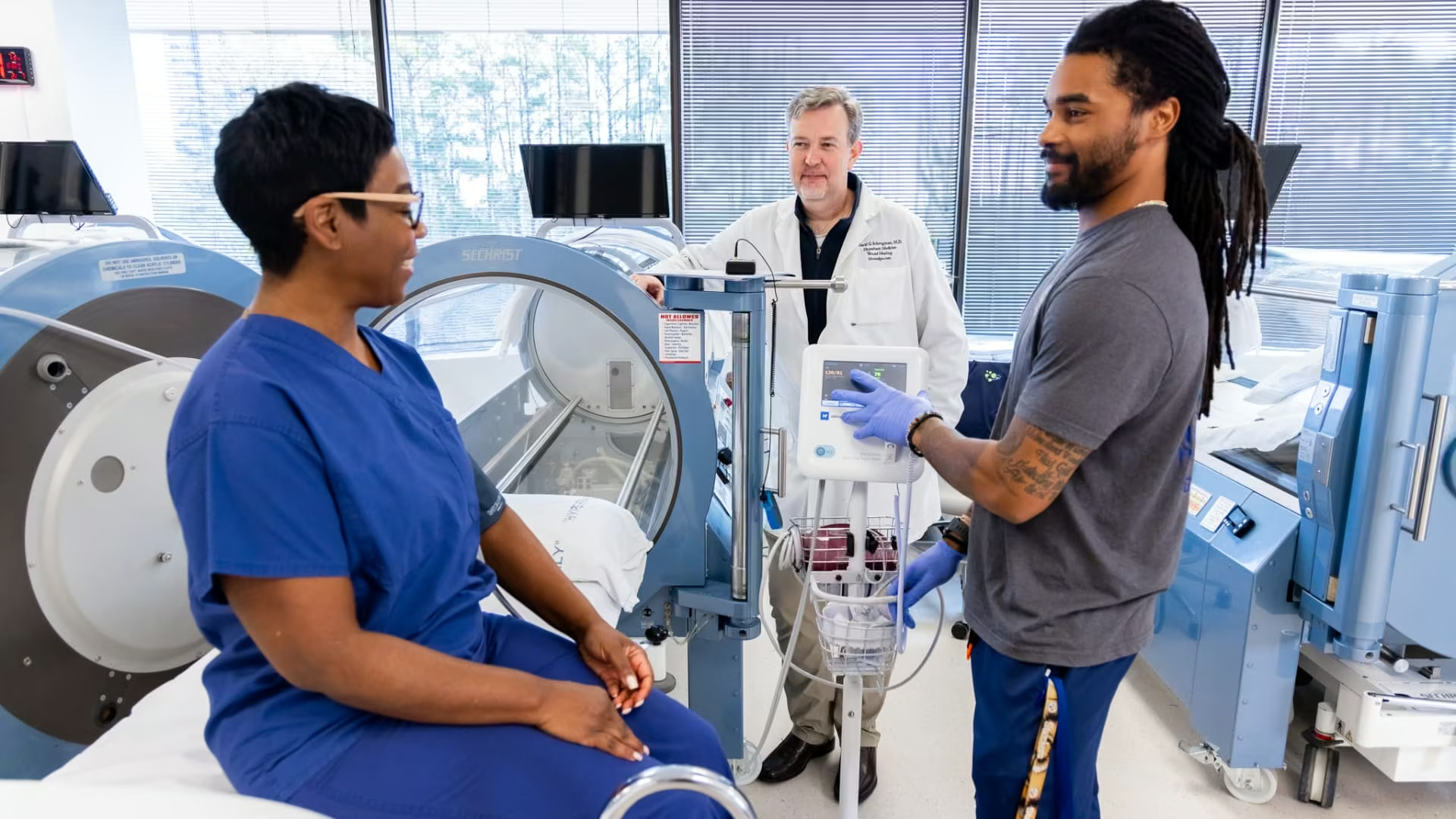
At Hyperbaric Physicians of Georgia, our physicians work directly with oncologists, oral surgeons, and dentists across the state to build personalized treatment plans for former radiation patients before, during, and after dental procedures.
Whether you’re getting ready for a dental procedure or already dealing with a sore that will not heal, we’re here to provide the most comprehensive and personalized hyperbaric oxygen therapy in Metro Atlanta and North Georgia.
Ready to prevent or treat ORN with the best hyperbaric oxygen therapy in Cumming?

.svg)

.svg)
.svg)
.svg)