

.svg)


.svg)
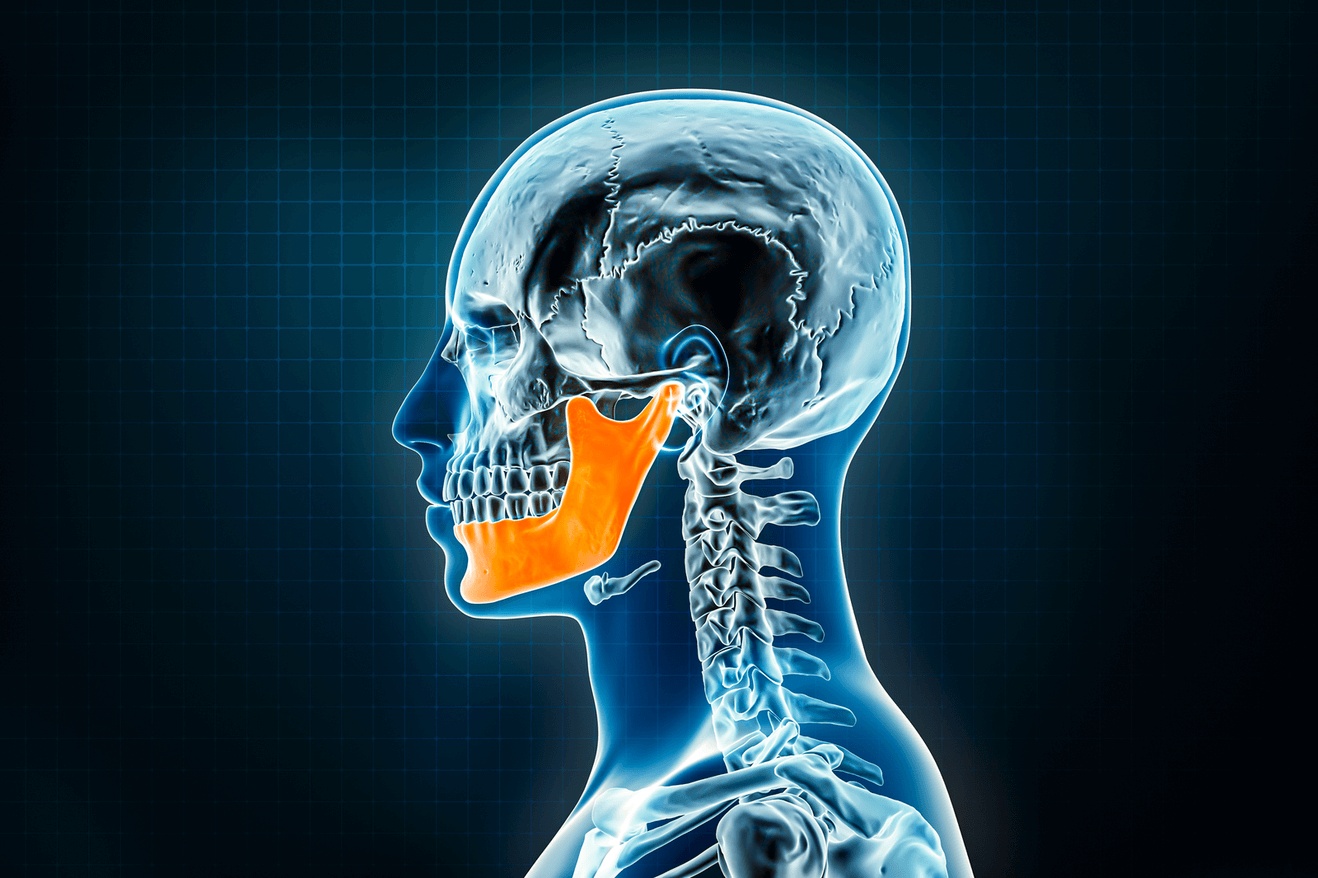

Osteoradionecrosis of the mandible happens when radiation damages the jawbone and leaves it too weak to repair itself. This is one of the most severe complications of radiation exposure, which is a common treatment for cancers of the head and neck. Left untreated, osteoradionecrosis of the mandible can become increasingly painful and prone to infection. Eventually, it can cause changes in how you’re able to chew, speak, and look. Hyperbaric oxygen therapy (HBOT) supports healing by safely increasing oxygen delivery to struggling tissue, leading to faster healing and fewer future complications.
Read on to see how the best hyperbaric oxygen therapy in Sandy Springs can pair with comprehensive medical care as an effective treatment for osteoradionecrosis of the jaw.
What is Osteoradionecrosis of the Mandible?
Radiation treatment on the head or neck can damage the tiny blood vessels and bone cells in the lower jaw, causing the jawbone to slowly lose its ability to repair even everyday wear. Once this radiation injury occurs, simple things like getting a tooth pulled or a minor bump can cause a microinjury that never fully heals. The mandible is especially vulnerable to radiation injury because its blood supply is more limited than that of many other bones, and once that flow drops even further after radiation therapy, healing slows to a crawl.
People with osteoradionecrosis of the mandible often notice aching that spreads along the jawline, swelling of the tissues in the mouth or cheeks, or a tooth that suddenly becomes loose. In more advanced cases, a small opening in the skin or gums can drain fluid, or a fracture can develop where the bone has weakened. Clinicians often use a staging system, known as the Marx classification, to judge how serious and widespread the damage is.
How Hyperbaric Oxygen Therapy Works as Treatment for Mandibular Osteoradionecrosis
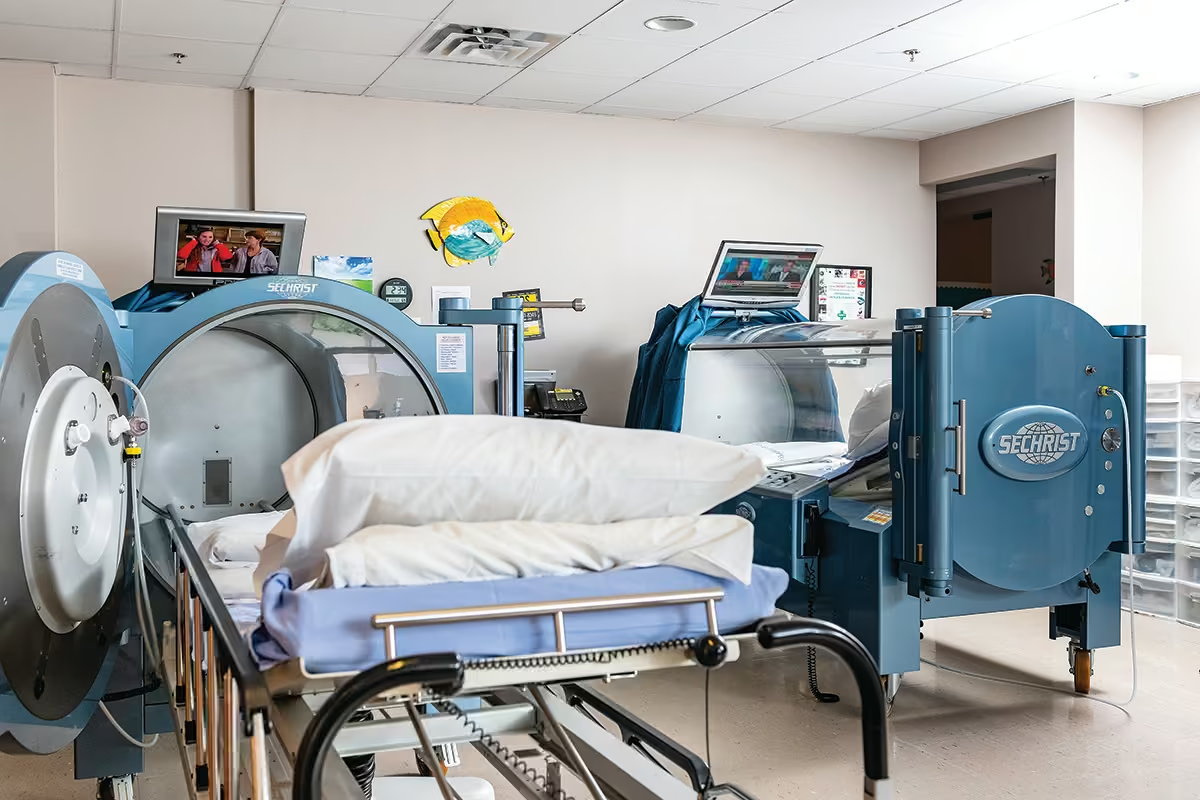
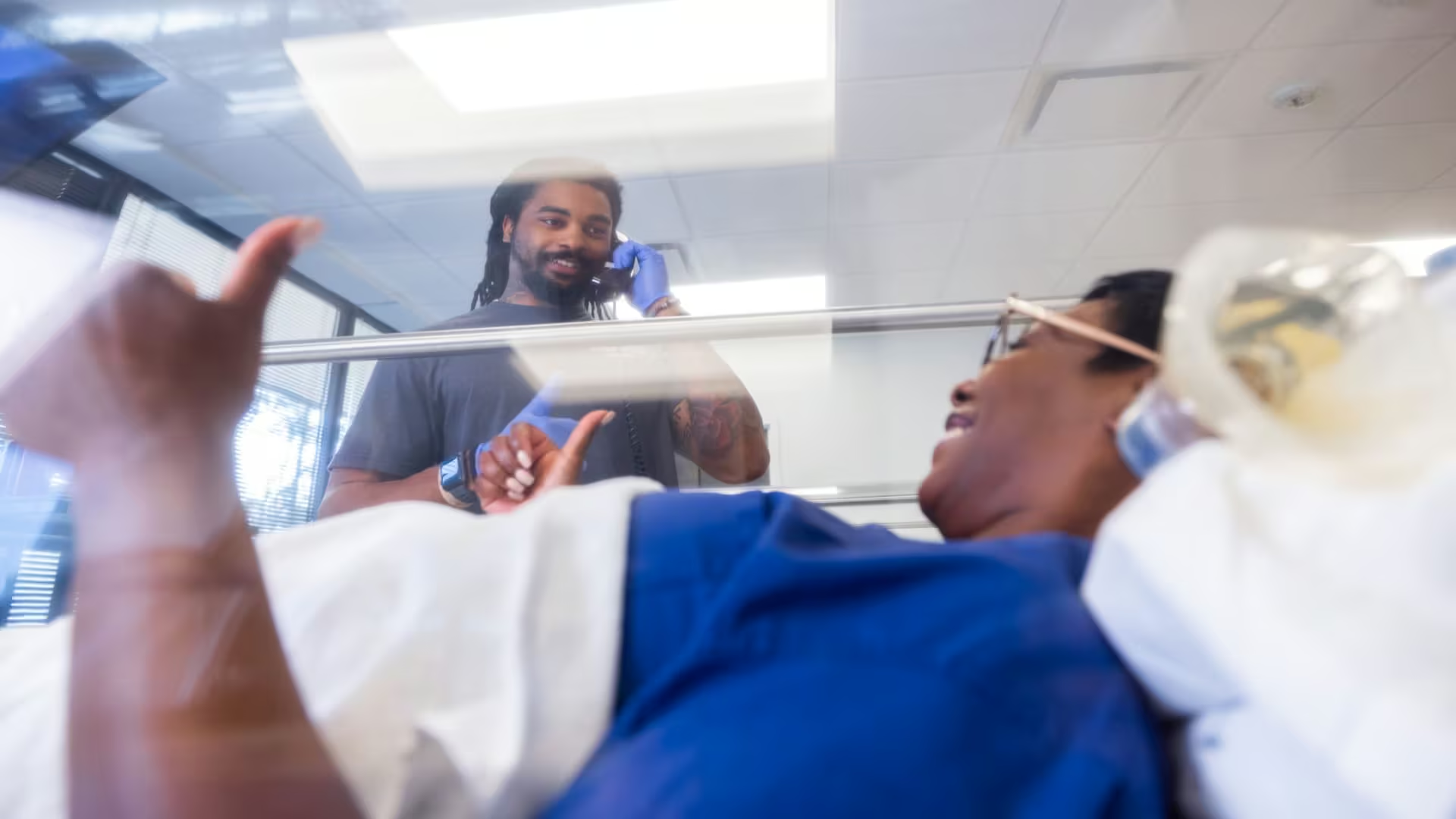
Hyperbaric oxygen therapy feels relaxing for most people. Lying inside a pressurized chamber, you’ll breathe 99.7% oxygen at an atmospheric pressure up to three times the normal atmospheric pressure. This allows the bloodstream to take in far more oxygen than it normally can. This increase in oxygen supports the cells that build bone and repair soft tissue. HBOT is often recommended for osteoradionecrosis because it helps rebuild the jaw’s damaged microcirculation. It can also prepare the tissue and bones for surgery by giving surgeons healthier ground to work with and patients a better chance at post-operative healing.
Benefits of Hyperbaric Oxygen Therapy for Mandibular Osteoradionecrosis
HBOT offers effective relief from the deep, aching pull that settles into the jaw when osteoradionecrosis is active. Attending a regular schedule of HBOT sessions can also help heal sores of the delicate mucosa of the gums and inside of the cheeks, ease day-to-day pain, and lower the chance of infection. All of these benefits make everyday quality of life by making activities like eating and speaking more manageable.
Risks and Side Effects of Hyperbaric Oxygen Therapy for Jaw Osteoradionecrosis
Hyperbaric oxygen therapy is usually well tolerated. Common side effects include mild fatigue and fullness of the ears as the chamber pressurizes. Some people also experience a brief wave of lightheadedness when they step out or a dull ache behind the cheeks if their sinuses are sensitive.
More serious risks are far less common, though it is important to understand what can increase the risk of complications:
- Pressure changes can cause injury to the ears or lungs if you have a history of medical problems that involve the ears or lungs
- Those with epilepsy or neurological conditions may experience seizures in rare cases
- Some patients experience temporary shifts in vision
Because of these possibilities, accredited HBOT facilities carefully screen each patient before recommending a treatment plan. People with certain lung diseases, a history of pneumothorax, chronic ear or sinus problems, or those receiving certain types of chemotherapy may not be able to get treatment.
Where to Find the Best Hyperbaric Oxygen Therapy Clinic in Sandy Springs for Osteoradionecrosis of the Mandible
At Regenerative and Hyperbaric Medicine, we offer safe HBOT treatments that strengthen circulation in tissue that has been slow to heal, reduce inflammation that makes daily movement uncomfortable, and support the body through complex conditions like radiation injury and chronic wounds. We’ve built our accredited hyperbaric program around the needs of people whose healing has stalled, and patients from across the United States travel to our state-of-the-art clinics in Cumming, Marietta, and Sandy Springs for that reason.
Our accreditation through the Undersea and Hyperbaric Medical Society reflects the standards we follow and the safety record we’ve upheld for years, and it guides how our physicians deliver every treatment.
Ready to pair the best hyperbaric oxygen therapy in Sandy Springs with comprehensive wound care for long-term healing?

.svg)
.svg)
.svg)
.svg)