

.svg)


.svg)
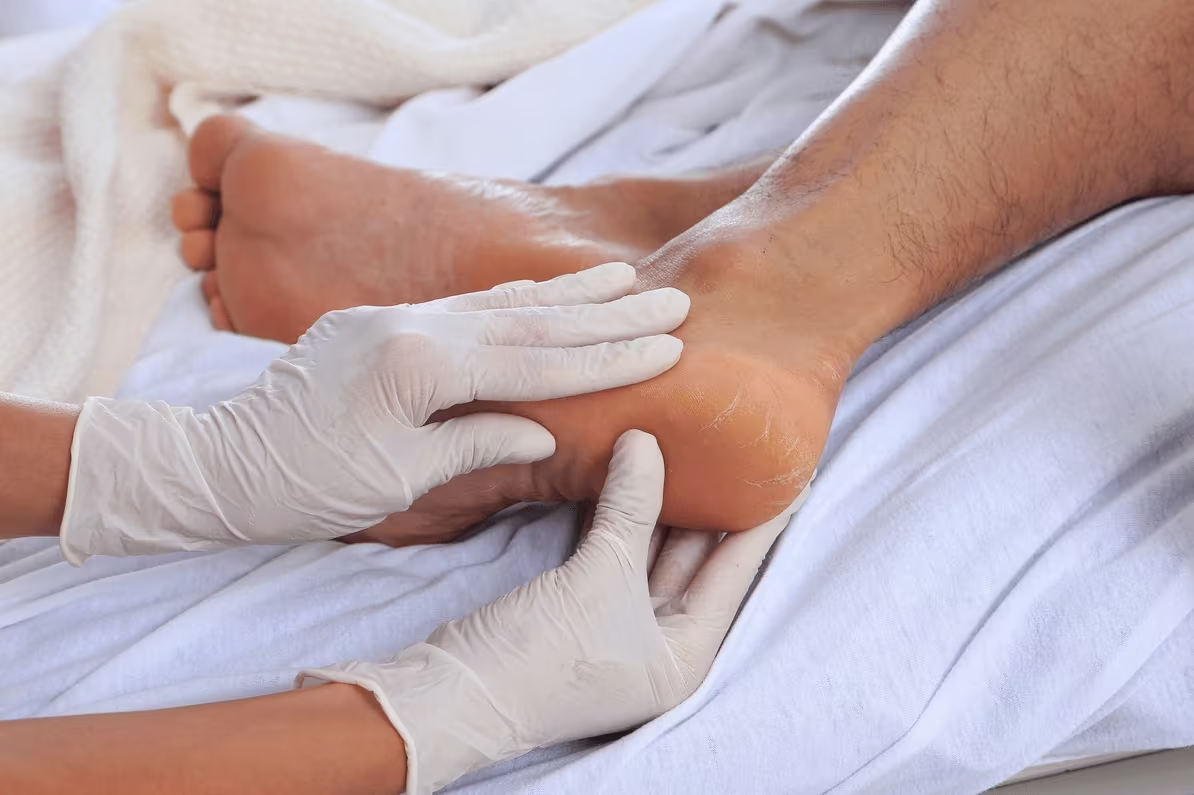

A small blister, a sore that refuses to close, or a patch of skin that feels unusually cold can be the first visible signs of damage that has been developing for years. Diabetes does much more than raise blood sugar. Over time, it can injure blood vessels and nerves, reducing circulation to the feet and making even minor cuts or pressure points slow to heal. This is why people with both diabetes and peripheral vascular disease face a higher risk of amputation from reduced blood flow that makes healing more difficult.
Learning to recognize the early signs of diabetic foot ulcers before a wound develops can help protect your feet, lower the risk of serious infection, and reduce the chances of hospitalization or limb loss. Read on to learn how diabetes affects circulation long before a foot ulcer appears and where to find the best hyperbaric oxygen therapy for diabetic foot ulcers in the United States.
How Does Diabetes Affect Circulation?
Every heartbeat pushes oxygen-rich blood through a network of arteries that nourish your muscles, skin, and nerves. High blood sugar slowly damages the delicate lining of those blood vessels. As the damage builds, the vessels narrow and become less flexible. This limits the amount of blood that reaches the feet and lower legs. Diabetes also raises the risk of peripheral artery disease, or PAD, which further reduces circulation. Reduced blood flow often develops over several years, so many people do not realize there is a problem until healing slows or foot symptoms begin to appear.
What Are The Early Signs Of Poor Circulation in People With Diabetes?
Poor circulation can show up in ways that are easy to dismiss during a busy day. Symptoms of poor circulation can include:
- Feet may feel colder than usual, even in warm weather
- Tingling, numbness, or aching in your calves while walking that improves after resting
- Changes in the color or texture of the skin
- Slower toenail growth
- Hair loss on the legs
Diabetes can also damage nerves, making it harder to feel pain from cuts, blisters, or pressure points.
Why Does Poor Circulation Increase The Risk of Diabetic Foot Ulcers?
Healthy blood flow delivers oxygen, nutrients, and infection-fighting cells that help damaged tissue repair itself. When circulation is reduced, even a small blister from a new pair of shoes or a tiny crack in dry skin may take much longer to heal. Diabetes also affects the body's immune response, making infections more likely to develop and harder to control. When nerve damage is also present, injuries may go unnoticed for days or weeks.
When is Hyperbaric Oxygen Therapy Recommended for Diabetic Foot Ulcers?
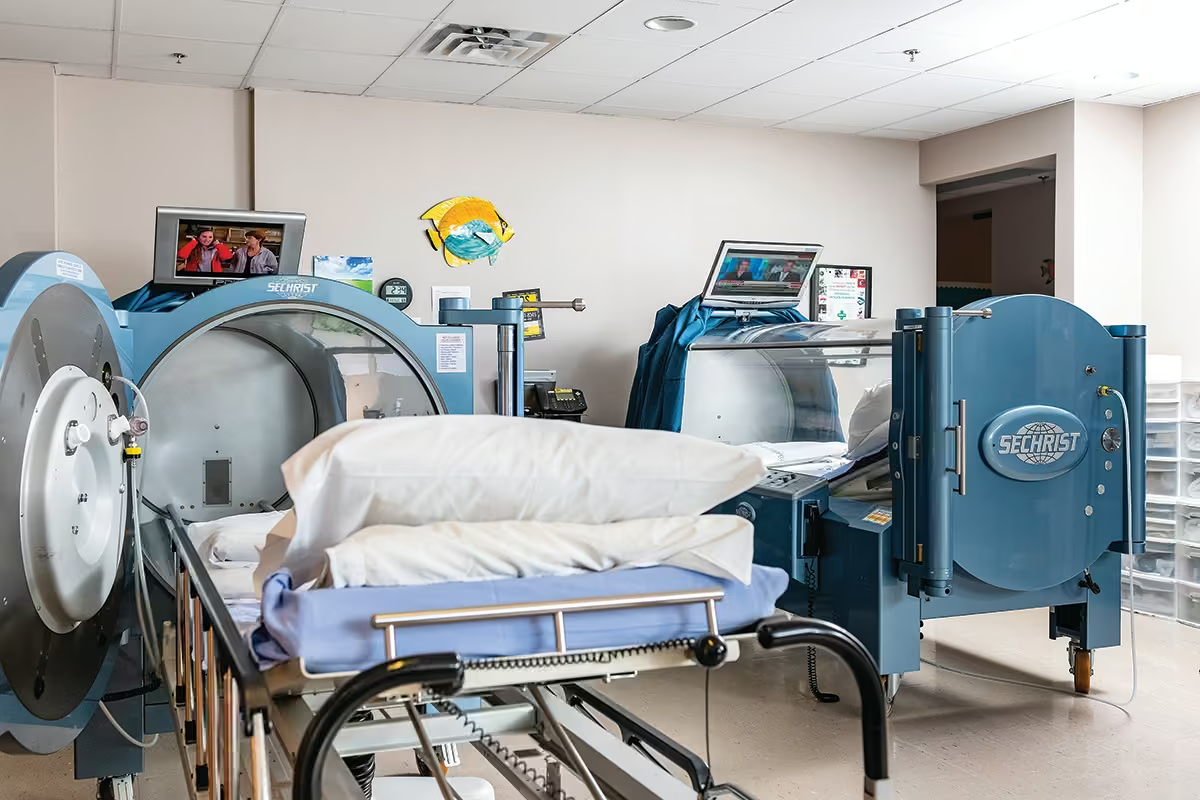
Hyperbaric oxygen therapy is recommended for chronic diabetic foot ulcers that have not responded to standard wound care or for wounds that have poor oxygen delivery because of reduced circulation. During treatment, patients breathe 99.7% oxygen inside a pressurized chamber, allowing more oxygen to dissolve into the bloodstream and reach damaged tissue. This extra oxygen supports the body's natural healing process, helps fight infection, and encourages the growth of new blood vessels. HBOT is most effective when part of a comprehensive treatment plan that also includes wound care, blood sugar management, and treatment of any underlying circulation problems.
How Does Hyperbaric Oxygen Therapy Work for Diabetic Wound Healing?
Healing depends on adequate oxygen, and when diabetes limits circulation, the body has a harder time delivering enough oxygen to damaged tissue. Hyperbaric oxygen therapy increases the amount of oxygen available throughout the body, including areas with reduced blood flow. This helps stimulate tissue repair, supports collagen production, reduces swelling, and strengthens the body's ability to fight bacteria.
Research shows that appropriately selected patients with diabetic foot ulcers may experience improved healing and a lower risk of major amputation when HBOT is combined with high-quality wound care.
Finding the Best Hyperbaric Oxygen Therapy For Diabetic Foot Ulcers in the United States
The best time to protect your feet is before a wound ever develops. If you have diabetes, changes in circulation deserve attention as soon as they appear.
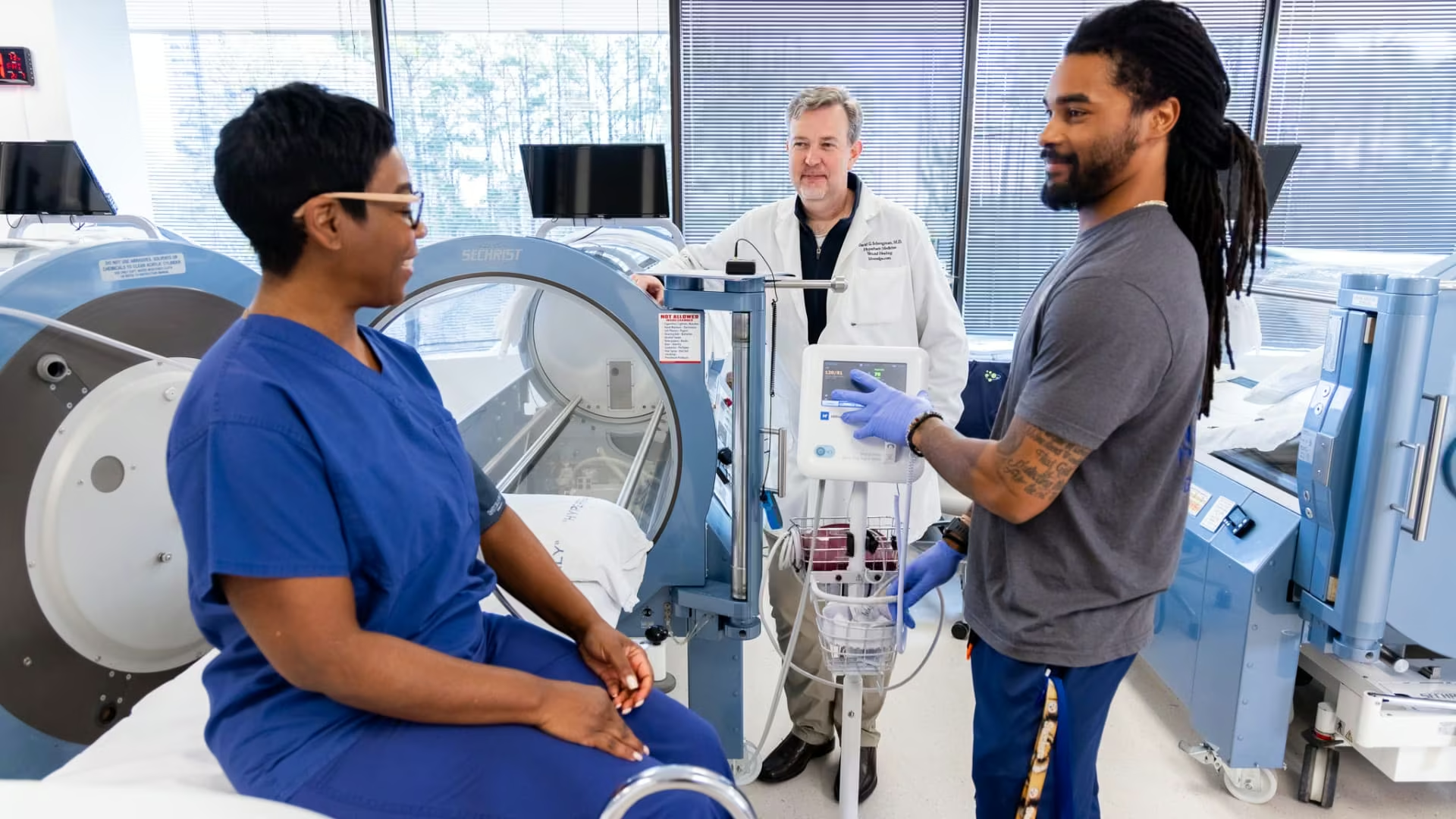
At Hyperbaric Physicians of Georgia, we provide comprehensive diabetic foot ulcer treatment with evidence-based care, physician oversight, and hyperbaric oxygen therapy to support and even accelerate healing. We have been accredited with distinction by the Undersea and Hyperbaric Medical Society since 2017 and have maintained a 100% safety record. This is what brings patients from across the nation to travel to our state-of-the-art clinic in Atlanta for experienced care delivered in a setting that puts safety first.
Ready to get expert care for diabetic foot ulcers and non-healing wounds from the best hyperbaric oxygen therapy in the United States?

.svg)

.svg)
.svg)