

.svg)


.svg)


Radiation therapy plays an important role in treating cancer, but the effects on healthy tissue can persist long after treatment ends. Some patients develop tissue damage months or even years after radiation, with symptoms that may include chronic wounds, tissue breakdown, pain, bleeding, or problems healing after surgery.
These injuries can be difficult to manage because radiation can affect blood vessels, cells, and the tissue's ability to repair itself. However, growing evidence suggests that hyperbaric oxygen therapy can improve or resolve certain late radiation tissue injuries.
Continue reading to learn how the best hyperbaric oxygen therapy clinic in Marietta treats patients with radiation damage from across the nation with personalized, physician-guided treatment plans.
How Does Radiation Damage Healthy Tissue?
Radiation affects rapidly dividing cancer cells, but surrounding healthy tissue can also sustain injury. The changes may continue long after the original radiation treatment has ended. Delayed radiation injury can cause:
- Damage to small blood vessels
- Reduced oxygen delivery to tissue
- Loss of cells needed for tissue repair
- Scar tissue and fibrosis
- Reduced ability to fight infection
- Impaired wound healing
- Tissue breakdown or necrosis
As a result, tissue may have difficulty recovering from even a relatively small injury. However, the studies find that hyperbaric oxygen therapy is an effective supportive care for delayed radiation injury involving soft tissue and bone.
How Can Radiation Injuries Appear Years Later?
Radiation injury does not always appear immediately after cancer treatment, but radiation can leave lasting changes in the tissue environment, which may become more apparent after another event, including surgery or trauma.
There are several different types of delayed radiation injuries, including:
- Radiation necrosis involving soft tissue
- Radiation cystitis affecting the bladder
- Radiation proctitis affecting the rectum
- Osteoradionecrosis involving irradiated bone
- Chronic wounds in previously irradiated tissue
- Radiation-related tissue breakdown
Is Radiation Injury Difficult To Treat?
Healthy tissue needs adequate blood flow, oxygen, functioning cells, and a supportive environment to repair itself. Radiation can disrupt several of these processes at once. This creates a challenging cycle where damaged tissue receives less oxygen, making repair more difficult. Poor healing can then lead to an open wound or tissue breakdown, making the wound even more vulnerable to infection and further damage.
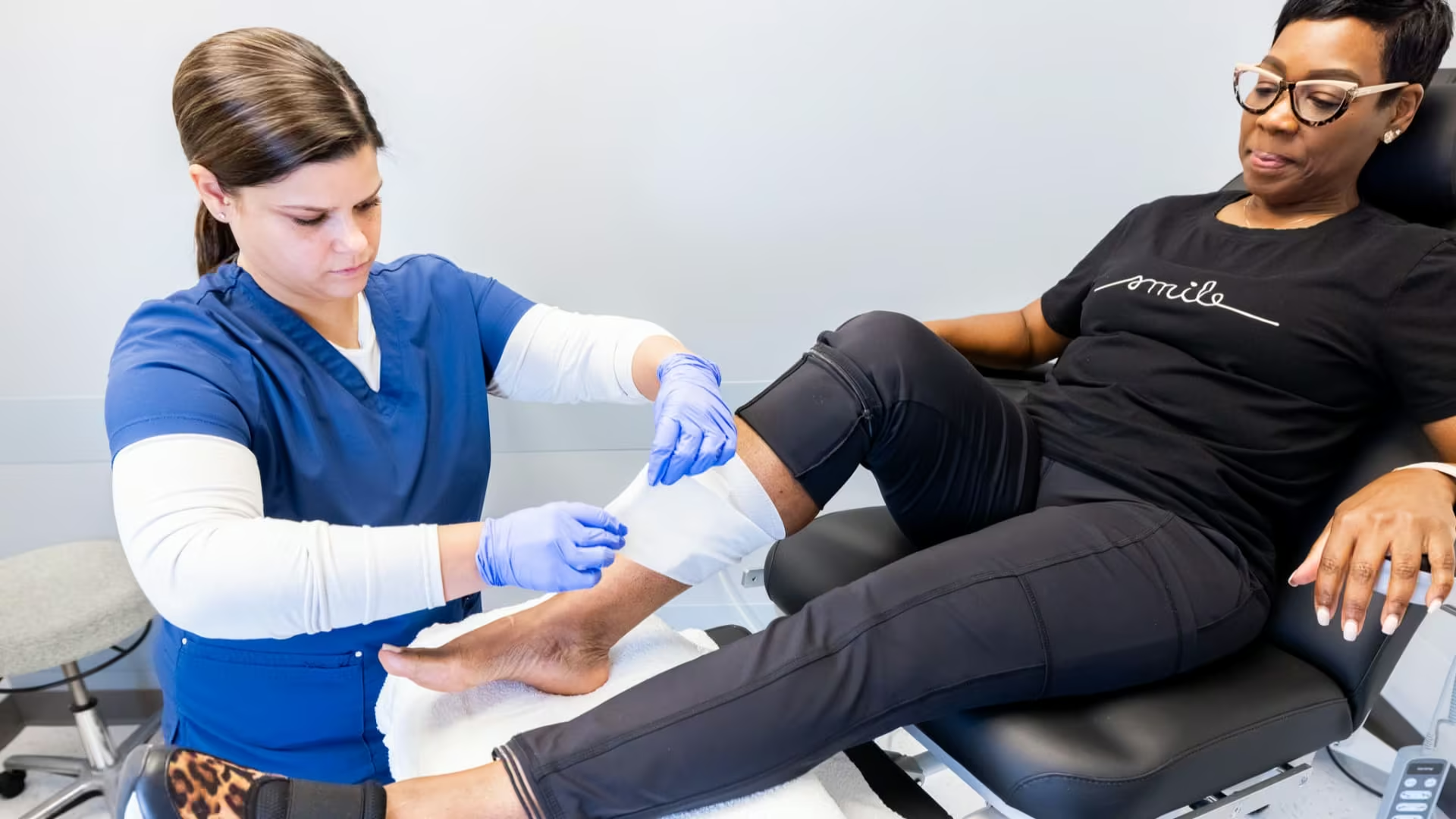
Many people with radiation-related skin damage need specialized wound care and tissue protection in addition to supportive treatments like hyperbaric oxygen therapy.
How Can Hyperbaric Oxygen Therapy Help Radiation-Damaged Tissue?
HBOT can help oxygen reach tissues affected by low blood flow, including tissue damaged by radiation, through a process called angiogenesis, or the formation of new small blood vessels. HBOT supports tissue repair by:
- Increasing oxygen availability in damaged tissue
- Supporting the formation of new blood vessels
- Supporting tissue repair
- Helping the body's defenses function in injured tissue
- Supporting healing around surgical procedures
- Helping wounds that have struggled to heal after radiation
When Is Hyperbaric Oxygen Therapy Recommended for Radiation Necrosis?
Radiation necrosis describes tissue death that can develop after radiation damage. This condition can involve soft tissue, bone, or an organ within the radiation field. Patients who usually qualify for hyperbaric oxygen therapy for radiation necrosis in Marietta include those with:
- Non-healing wounds
- Tissue breakdown
- Radiation cystitis
- Radiation proctitis
- Osteoradionecrosis
- Complications involving previously irradiated tissue
- Difficulty healing after surgery in an irradiated area
What Patients Can Expect From HBOT For Radiation Injury
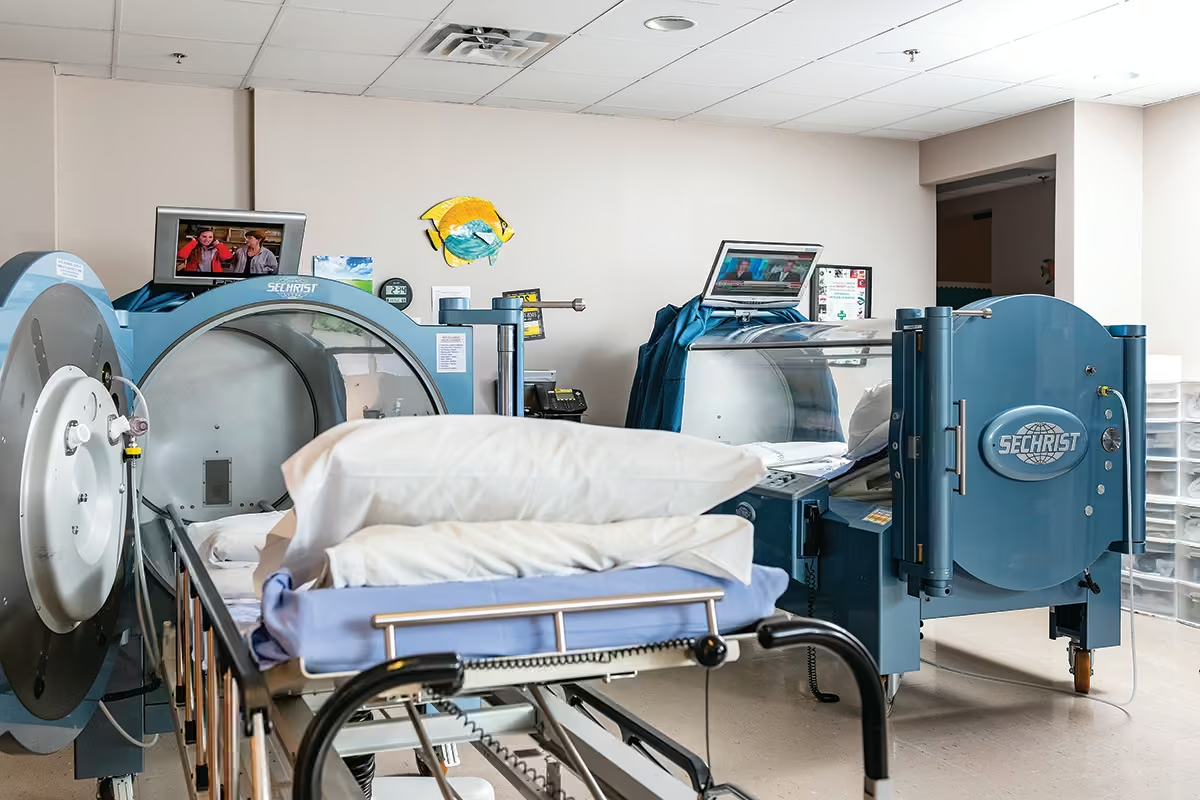
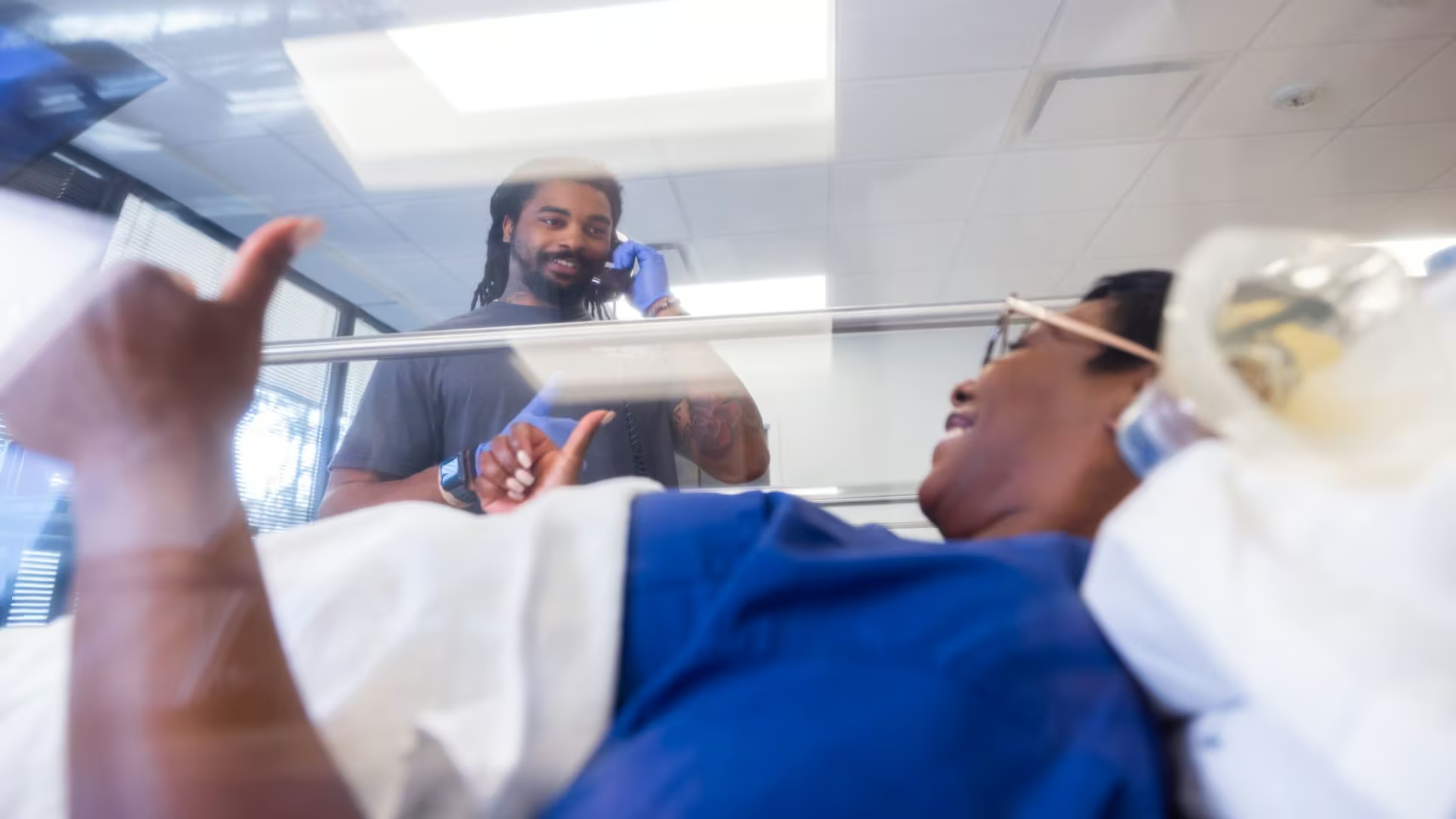
During a typical HBOT session, the patient rests inside a pressurized chamber while breathing medical-grade oxygen as the pressure increases. Treatment duration and the total number of sessions depend on the condition being treated and the patient's response.
Most people with radiation-damaged tissue require a series of HBOT treatments rather than a single session. The appropriate number and frequency should be determined by an experienced hyperbaric physician, which is why it’s important to choose a facility that is fully qualified and guided by physicians.
Where To Find Hyperbaric Oxygen Therapy in Marietta For Radiation Injury
Radiation injuries can affect tissue long after cancer treatment has ended, and their effects can extend beyond a single wound or symptom. The right care requires careful evaluation, wound treatment, hyperbaric medicine, and communication among the physicians involved in the patient's recovery.
Hyperbaric Physicians of Georgia provides physician-led hyperbaric oxygen therapy in Marietta alongside comprehensive wound care. Our state-of-the-art HBOT facilities in Marietta, Sandy Springs, and Cumming all use specialized hyperbaric chambers and wound care techniques that can include surgical debridement, skin grafting, and negative pressure wound therapy when clinically appropriate.
With more than three decades of experience, three Metro Atlanta locations, and UHMS accreditation with distinction, our team at Hyperbaric Oxygen Physicians of Georgia leads the nation in caring for patients with complex wounds and radiation-related tissue damage.
Ready to discuss personalized treatment options with a hyperbaric medicine physician at the best HBOT clinic in Marietta?

.svg)
.svg)
.svg)
.svg)