

.svg)


.svg)

Many breast cancer and prostate cancer survivors expect life to return to normal once radiation therapy ends. But for some, new symptoms appear months or even years later. Pain develops where treatment once occurred. Skin becomes fragile. Wounds refuse to heal. Urinary or bowel problems worsen without an obvious cause. These delayed changes can be confusing because they happen long after cancer treatment is over.
While radiation therapy is highly effective at treating many cancers, it can also affect nearby healthy tissue. Studies estimate that approximately 5% to 15% of patients who receive radiation therapy develop some form of chronic radiation injury, depending on the treatment site and dose. These symptoms are treatable when recognized early, which makes getting comprehensive wound care and hyperbaric oxygen therapy (HBOT) treatment so important.
Read on to understand why delayed radiation injury occurs and where to find the best hyperbaric oxygen therapy in Sandy Springs.
Why Radiation Side Effects Can Appear Months or Even Years After Treatment
Radiation therapy can damage healthy blood vessels and connective tissue, causing symptoms months or years after treatment ends. Because of this, radiation continues to affect tissue long after treatment ends.
Although cancer cells are destroyed during treatment, healthy tissues continue repairing themselves for months afterward. In some people, that repair process becomes incomplete because radiation damages tiny blood vessels that normally deliver oxygen and nutrients. Over time, this reduced blood supply can cause symptoms of radiation injury, including:
- Progressive scarring, also known as fibrosis
- Chronic inflammation
- Poor circulation
- Tissue breakdown
- Delayed wound healing
Unlike temporary side effects of radiation, such as skin redness or fatigue, delayed radiation injury develops very slowly. In fact, many former radiation patients feel completely healthy before symptoms unexpectedly appear years later. This is why it’s easy for patients to assume their symptoms aren’t related to radiation treatment.
The likelihood of experiencing a delayed radiation injury depends on several factors, including:
- Total radiation dose
- Treatment location
- Previous surgery
- Smoking history
- Diabetes or vascular disease
- Certain chemotherapy medications
Symptoms Breast Cancer and Prostate Cancer Survivors Should Never Ignore
Delayed radiation injury affects different parts of the body depending on where radiation was delivered.
Breast cancer survivors may notice:
- Persistent breast pain
- Skin that becomes thin or fragile
- Non-healing wounds
- Firm scar tissue that limits movement
- Chest wall discomfort
- Rib pain
- Swelling or tightness
Prostate cancer survivors may develop:
- Blood in the urine
- Frequent urinary urgency
- Painful urination
- Rectal bleeding
- Pelvic pain
- Difficulty healing after urologic procedures
Some patients also experience chronic wounds after reconstructive surgery because radiation has reduced blood flow needed for proper healing.
Never assume that these symptoms are simply part of getting older or expected after cancer treatment. Persistent symptoms always deserve evaluation because they may represent treatable radiation injury rather than permanent damage.
How Do Doctors Tell the Difference Between Cancer Recurrence and Radiation Injury?
One of the biggest concerns cancer survivors have is whether new symptoms mean their cancer has returned. Fortunately, physicians can use several tools to separate delayed radiation injury from recurrent cancer. This evaluation usually includes:
- A detailed medical history
- Physical examination
- Imaging studies such as MRI or CT scans
- Laboratory testing when appropriate
- Tissue biopsy in selected cases
No single test provides every answer. Instead, hyperbaric oxygen therapy physicians who specialize in radiation injury treatment combine imaging findings, symptom patterns, previous treatment records, and physical examination to reach the correct diagnosis.
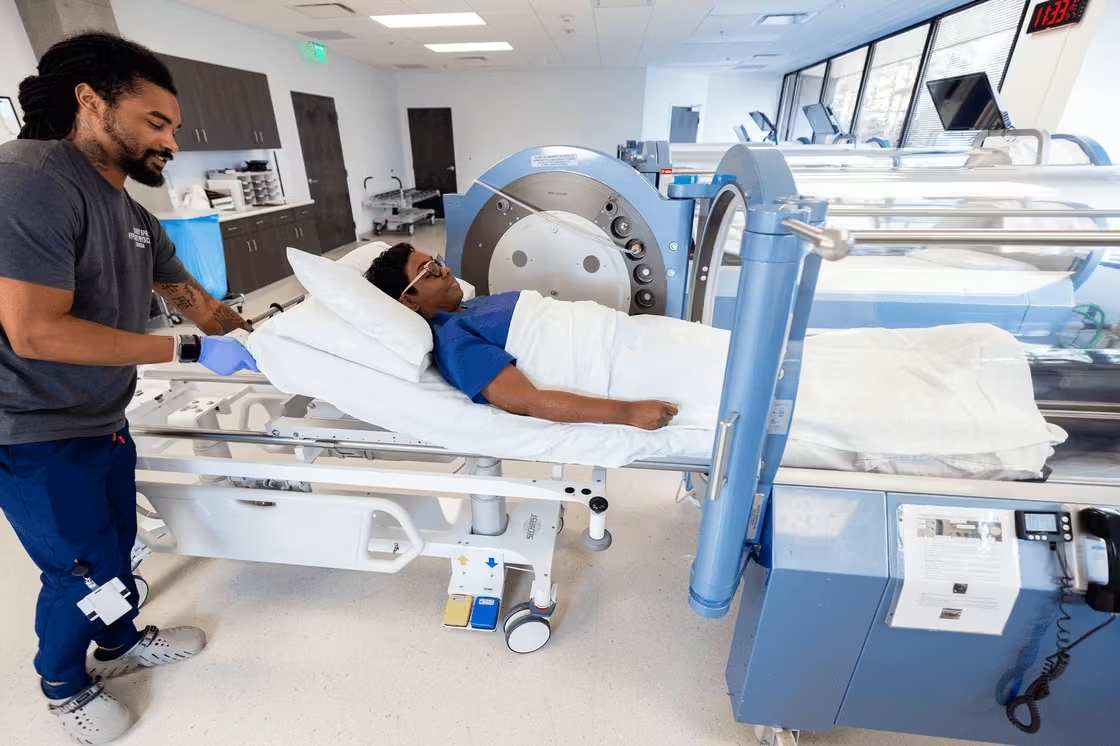
How Hyperbaric Oxygen Therapy Helps Heal Radiation-Damaged Tissue
Hyperbaric oxygen therapy for radiation necrosis and other delayed radiation injuries is an established treatment supported by decades of clinical experience.
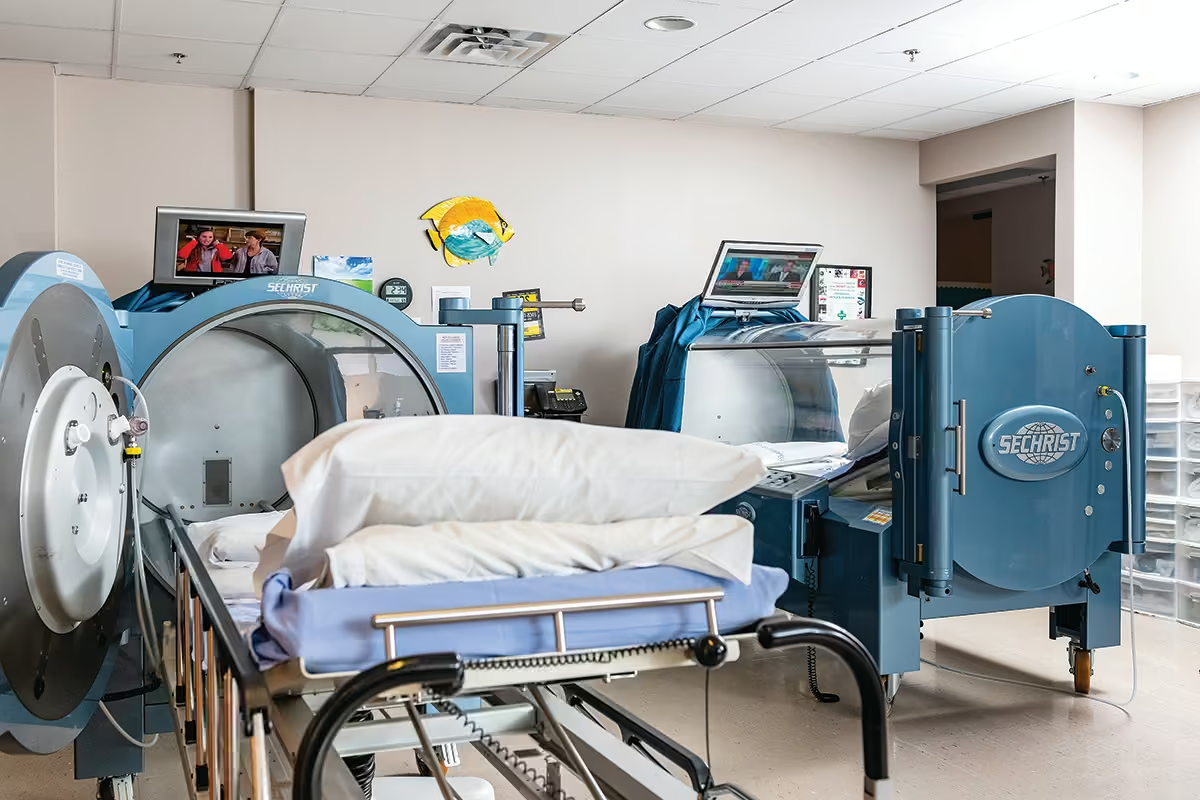
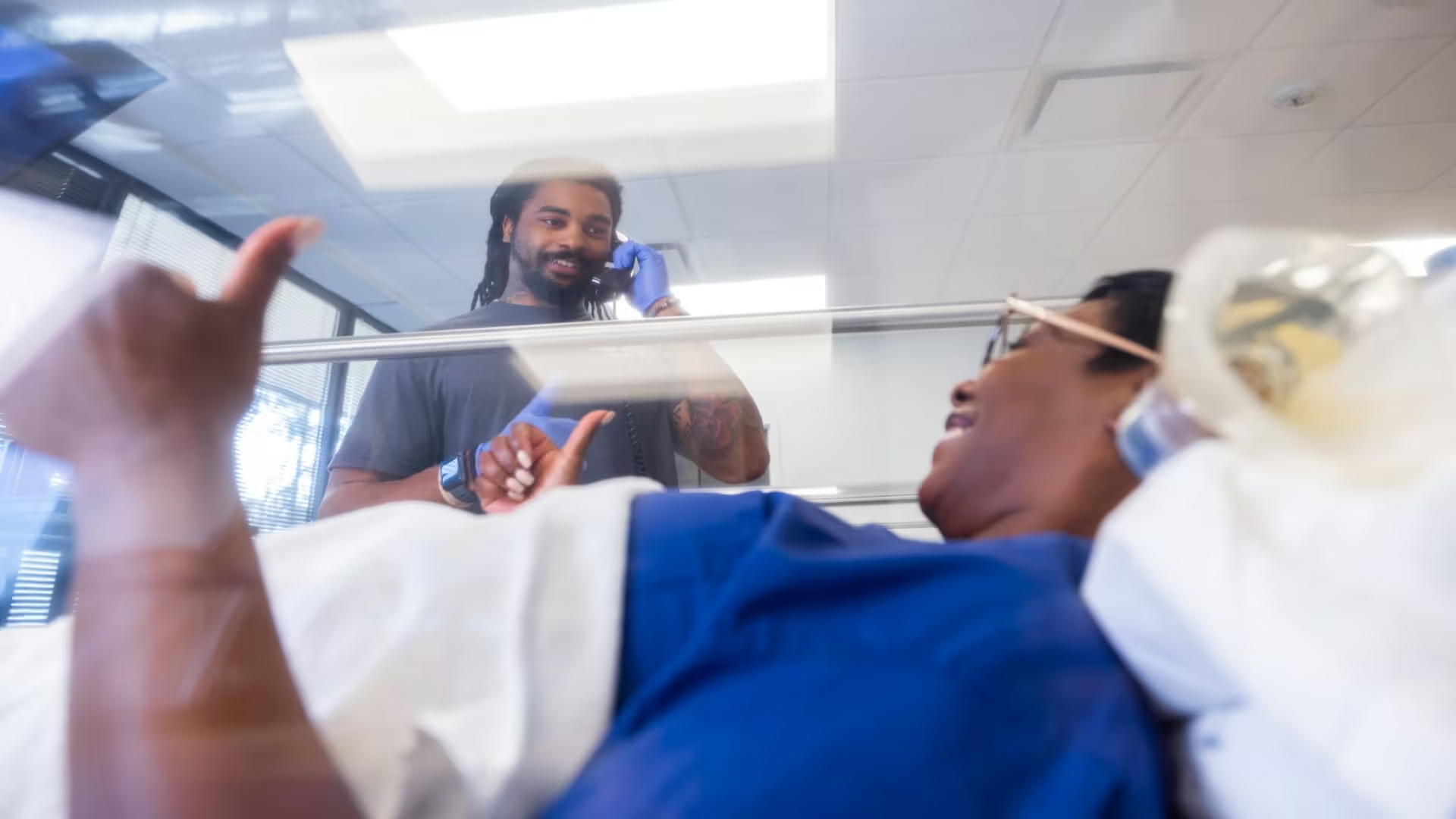
During HBOT treatment, patients breathe 99.7% medical-grade oxygen inside a pressurized chamber. The increased oxygen and pressure allow significantly more oxygen to dissolve into the bloodstream than normal breathing alone. Hyperbaric oxygen therapy can help:
- Stimulate new blood vessel formation
- Improve oxygen delivery to damaged tissue
- Reduce chronic swelling
- Support collagen production
- Promote wound healing
- Improve the body's natural repair mechanisms
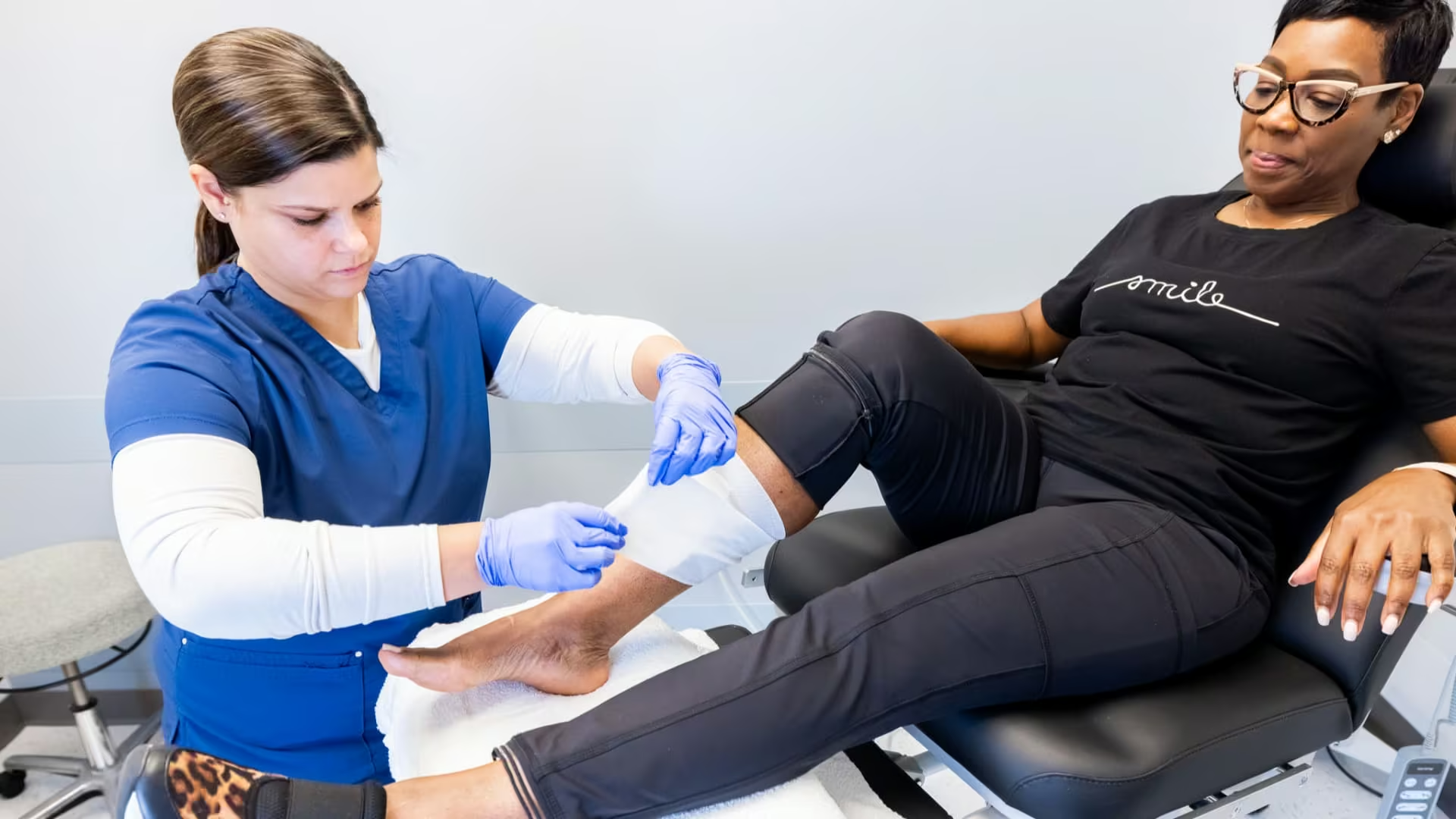
Unlike medications that mainly manage symptoms, hyperbaric oxygen therapy aims to improve the health of the underlying tissue, which can accelerate healing when combined with comprehensive wound care. Physician experience is necessary for hyperbaric oxygen therapy for radiation necrosis because only a physician can determine whether HBOT is appropriate based on the patient's cancer history, imaging findings, and current symptoms.
Understanding the Science of Hyperbaric Oxygen Therapy
As a recognized field of hyperbaric medicine, HBOT is FDA-approved by the Food and Drug Administration for several medical conditions, including delayed radiation injuries. Physicians evaluate each patient individually to determine whether this therapy is appropriate based on their cancer history, the type of radiation they received, and their current symptoms.
Researchers continue to study how HBOT affects the body's repair mechanisms. Increased oxygen levels appear to support the function of white blood cells, helping them fight infection in damaged tissue while also encouraging the release of growth factors and stem cells involved in tissue repair. Studies also suggest that HBOT reduces inflammation and promotes the formation of new blood vessels, both of which are important for long-term healing after radiation damage.
A common misconception about HBOT is that because oxygen helps healthy cells heal, it might also help cure medical conditions or kill cancer. Hyperbaric oxygen therapy is not a cancer treatment and does not directly kill cancer cells. Its purpose is to improve oxygen delivery to healthy tissue that has been injured by radiation, allowing the body's natural healing processes to work more effectively.
When to Try Hyperbaric Oxygen Therapy for Radiation-Damaged Tissue
Some people delay seeking care because they assume symptoms will improve with time. However, early treatment often leads to better outcomes. You should schedule an evaluation if you experience:
- A wound that does not heal
- Bleeding months or years after radiation
- Increasing pain in a previously treated area
- Skin breakdown
- Persistent urinary or bowel symptoms
- Difficulty healing after surgery performed in a previously irradiated area
Where to Find the Best Hyperbaric Oxygen Therapy in Sandy Springs for Soft Tissue Radionecrosis
Radiation therapy saves lives, but its effects on healthy tissue do not always end when cancer treatment is complete. Because delayed radiation injury results from progressive changes in blood vessels and oxygen delivery, symptoms can emerge months or even years later. Recognizing these warning signs early gives patients more opportunities to protect healthy tissue and improve healing.
At Hyperbaric Physicians of Georgia, we have helped patients recover from complex radiation injuries for more than three decades through individualized evaluation and evidence-based care. Our experienced team understands the unique challenges cancer survivors face, and we carefully determine whether hyperbaric oxygen therapy is the right treatment for each patient.
Ready to see how the best hyperbaric oxygen therapy in Sandy Springs can help you heal from delayed radiation symptoms?

.svg)
.svg)
.svg)
.svg)