

.svg)


.svg)

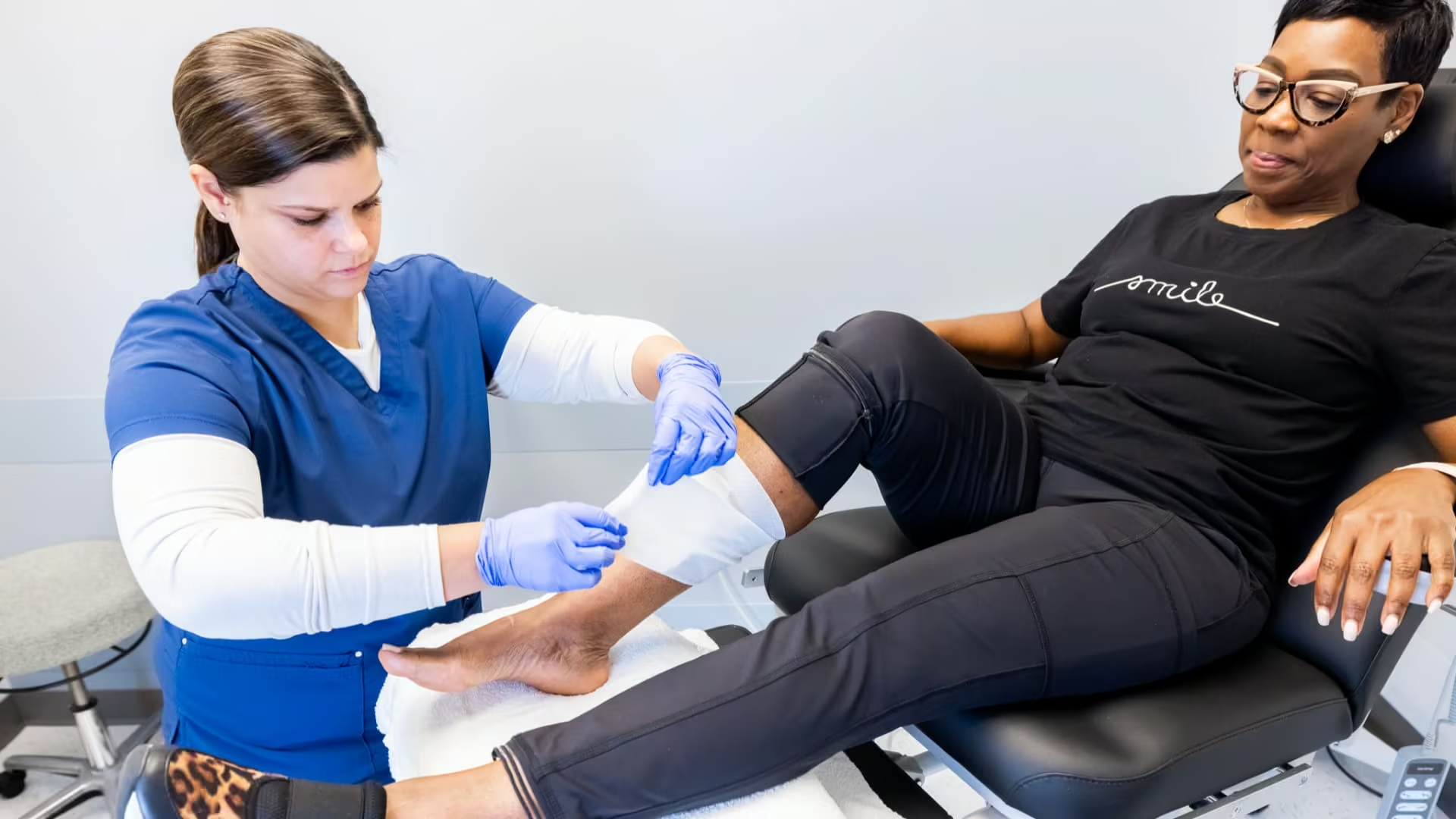
A skin graft or skin flap procedure is a lifeline for damaged tissue, but those first days after surgery can be worrisome as the area can look pale, tight, or slow to warm up. These delicate tissues rely on fragile blood flow to stay alive, which is why problems like poor circulation, swelling, and infection can cause skin grafts or flaps to fail before they ever fully take.
Hyperbaric oxygen therapy (HBOT) safely gives the body a controlled boost of oxygen that supports post-surgical healing, encourages new blood vessel growth, and helps struggling tissue recover. Research shows that getting hyperbaric oxygen treatment for skin grafts and flaps offers a favorable support by enhancing oxygenation and promoting cellular function while reducing inflammation and risks of infection or rejection.
Read on to learn how the best hyperbaric oxygen therapy in Metro Atlanta and North Georgia can help improve skin graft survival and reduce the risk of needing a repeat operation.
How Does Hyperbaric Oxygen Therapy Help Skin Grafts and Flaps Heal Faster
The hours after skin graft or flap surgery are a critical time, with constant checking, watching the skin for color changes or warmth that indicates its survival. Hyperbaric oxygen therapy supports this fragile stage by providing the body with a boost of medical-grade oxygen.
Inside the hyperbaric chamber, you breathe 99.7% oxygen at high pressure. This extra oxygen improves tissue oxygen levels and lays the groundwork for healing by supporting fibroblast activity, collagen production, and the formation of new blood vessels. The treatment can reduce swelling around the surgical site, which helps improve healing.
Can Hyperbaric Oxygen Therapy Save a Struggling Skin Graft or Flap?
As the best wound care clinic for skin grafting in Metro Atlanta and North Georgia, our patients often ask us, “Can hyperbaric oxygen therapy help my struggling skin graft heal?” To answer this, it’s best to understand what’s happening: If your skin graft tissue isn’t healing well, it’s likely because it’s not getting enough blood. When this happens, it will start showing warning signs of ischemia, like:
- Slowed capillary refill
- Swelling that doesn’t improve
- New, unusual, or severe pain
- Becoming pale or cold to the touch
Hyperbaric oxygen therapy is an effective treatment because it safely delivers a surge of oxygen that struggling tissue can use right away. This boost in blood oxygen levels can help the tissue hold on long enough for new vessels to grow. When HBOT is used alongside careful surgical and wound care, compromised skin grafts and flaps are more likely to succeed, and patients can avoid the emotional and physical toll of returning to the operating room.
When Should You Start Hyperbaric Oxygen Therapy After Skin Graft or Flap Surgery?
Starting HBOT as soon as possible after your skin graft surgery gives the tissue its best chance to recover because oxygen can reach the struggling area before more ischemia sets in. Patients with radiation-damaged tissue, diabetes, or vascular diseases should consider HBOT treatments before and after surgery.
If you’re already dealing with a compromised skin graft or flap, treatment schedules are usually aggressive, with two or three sessions on the first day to improve circulation. After that, most patients continue with daily sessions until the skin shows signs of strength and stability.
What to Expect During Hyperbaric Oxygen Therapy
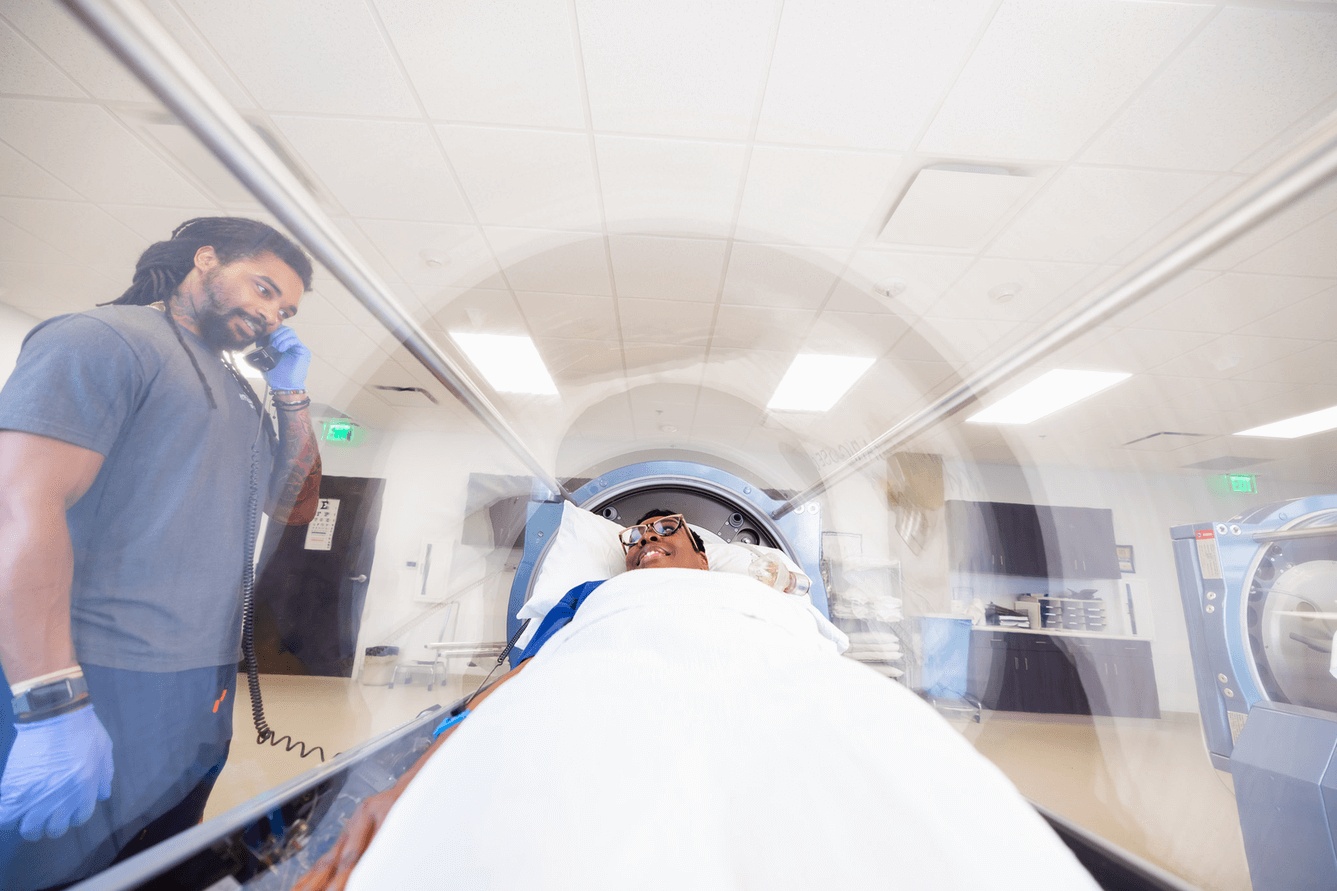
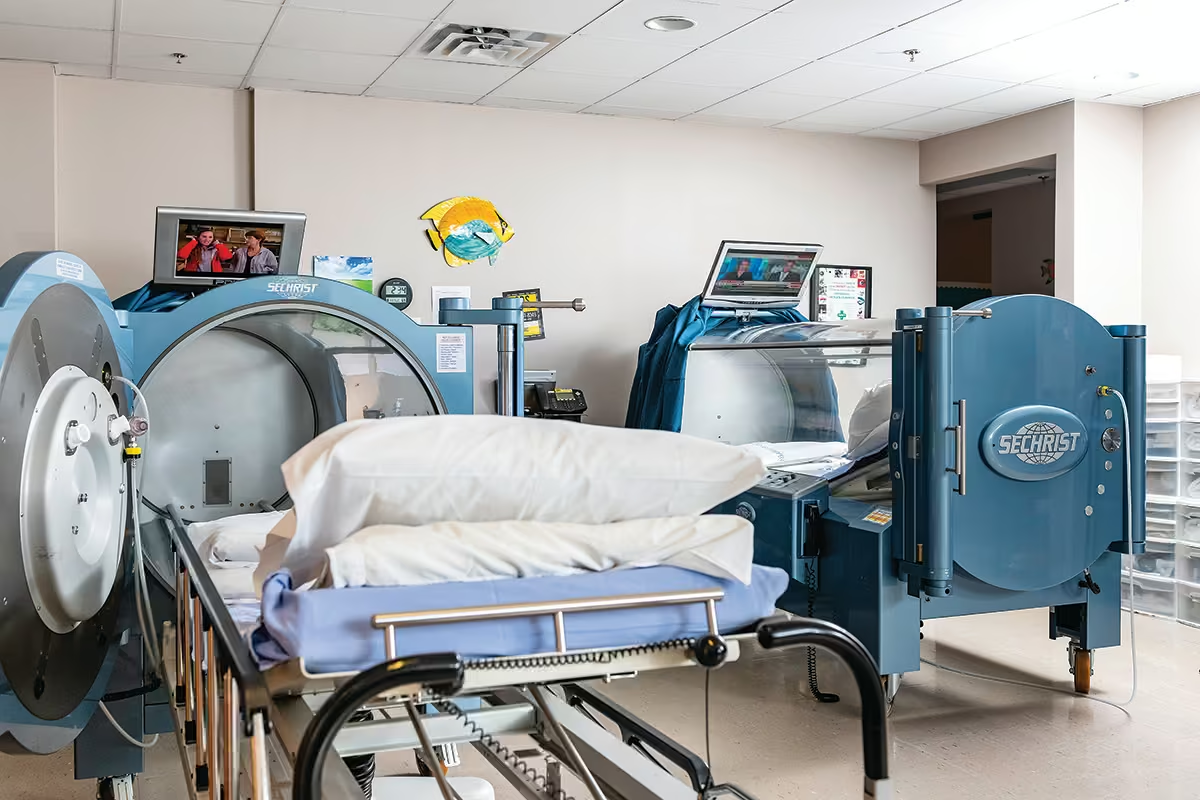
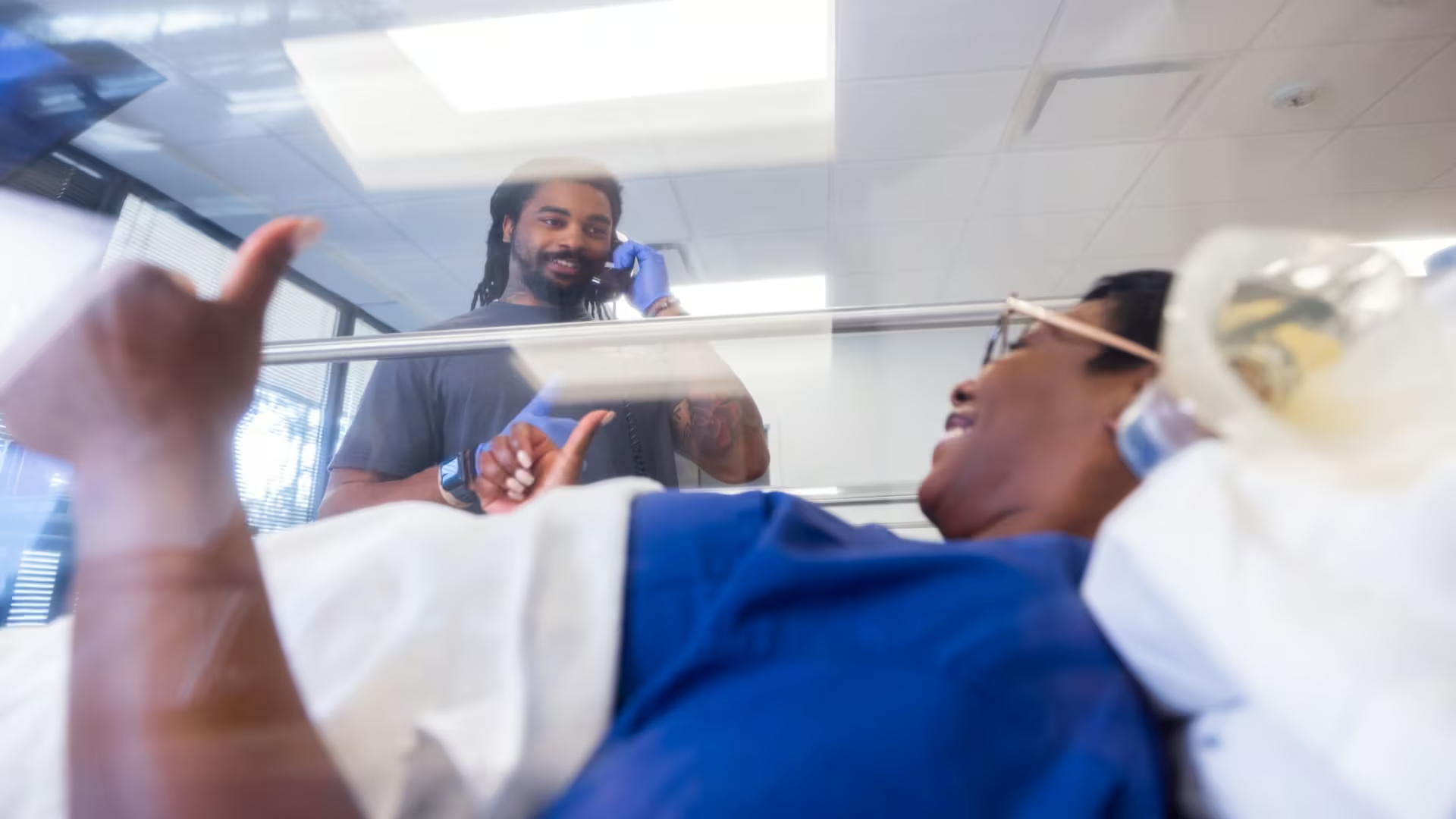
During an HBOT session for skin graft or flap healing, you settle into a hyperbaric chamber that feels similar to lying in a quiet room with a wide window. As the pressure rises, your ears may feel the same gentle popping you get on an airplane, and the air takes on a clean, cool quality as you breathe in concentrated oxygen. Most sessions last about an hour, and many patients pass the time by watching a show, listening to music, or simply resting while the chamber does its work.
The entire process is painless, and you can usually return to light daily activities afterward unless your surgeon has given specific movement restrictions. At every treatment, an expert team will monitor your comfort and vital signs to ensure your safety.
Is Hyperbaric Oxygen Therapy Safe for Skin Graft Patients?
Hyperbaric oxygen therapy is safe for the general population, even those recovering from graft or flap surgery. The most common side effects include brief sensations like ear pressure or mild sinus pressure. Some patients also feel a little tired afterward, but this usually fades quickly. Serious complications are rare when treatment is done at an accredited HBOT facility with trained medical staff. Before starting, an accredited facility with physicians who are experts in HBOT treatments will review your health history to make sure the therapy is appropriate. Medical conditions like a history of pneumothorax, certain lung diseases, or specific chemotherapy drugs can make HBOT unsafe.
Finding the Best Hyperbaric Oxygen Therapy in Metro Atlanta and North Georgia for Skin Graft and Flaps
Healing begins the moment you feel you’re in the right hands. For skin graft patients, it starts when they walk into our accredited hyperbaric facilities in Regenerative and Hyperbaric Medicine. We’ve spent more than three decades supporting people with stalled healing, radiation injuries, chronic wounds, and other conditions that need more than time to improve. Our accreditation by the Undersea and Hyperbaric Medical Society reflects the safety standards we’ve upheld since 2017, and it’s a key reason people travel from across the United States to receive treatment at our state-of-the-art facilities in Cumming, Marietta, and Sandy Springs.
The FDA recommends choosing an accredited HBOT facility, and we take that responsibility seriously by maintaining a 100% safety record and a treatment approach grounded in science, consistency, and experience.
Ready to see how the best hyperbaric oxygen therapy in Metro Atlanta and North Georgia, guided by our expert physicians and wound-care specialists, can help you heal faster?

.svg)
.svg)
.svg)
.svg)