

.svg)


.svg)


Crohn’s disease affects one out of every 100 people in the United States and is a chronic form of inflammatory bowel disease (IBD) where ongoing inflammation in the digestive tract can trigger symptoms like abdominal pain, diarrhea, fatigue, and weight loss, and it can make work, travel, and even meals feel unpredictable. Some days with Crohn’s feel like your body has a mind of its own, with sudden cramps, urgent bathroom trips, and fatigue that interferes with your daily activities.
While there are many medications and procedures available for treating symptoms, Crohn’s disease has no cure but remains carefully studied. One emerging treatment option for some patients is hyperbaric oxygen therapy (HBOT).
Read on to learn more about the early research and real-world experiences of using HBOT alongside standard medical care, and where to find the best hyperbaric oxygen therapy in Sandy Springs.
What is Hyperbaric Oxygen Therapy?
Hyperbaric oxygen therapy, often called HBOT, is a medical treatment that places you inside a pressurized chamber where you breathe 99.7% medical-grade oxygen at up to three times normal atmospheric pressure. This increased oxygen at a higher pressure floods the red blood cells with oxygen and improves circulation, so these cells reach tissues that are inflamed, injured, or struggling to heal. HBOT can also help lower chronic inflammation. While HBOT is not a cure for conditions like Crohn’s disease, it is being explored as a supportive therapy that may help the body create a better environment for healing when used alongside standard medical care.
How HBOT May Reduce Inflammation in Crohn’s Disease
For people with Crohn’s disease, inflammation can leave the gut feeling raw and irritated, which shows up as abdominal cramping, diarrhea, and food intolerances. HBOT can help calm this cycle by supporting the blood vessels and tissue regeneration.
Some studies also suggest that HBOT may help lower inflammatory markers such as C-reactive protein (CRP) and reduce overall disease activity, which can translate into fewer flares for some people. There is also growing evidence for the positive effect of higher oxygen levels on gut microbiomes, since Crohn’s is linked to an imbalance of harmful and helpful bacteria. While research is still evolving, these combined effects help explain why HBOT is being explored as a supportive option for managing inflammation alongside standard Crohn’s treatments.
Who is a Good Candidate for Hyperbaric Oxygen Therapy for Crohn’s Disease?
HBOT may be worth discussing if Crohn’s symptoms continue despite treatment or if recovery feels slow and unpredictable. Some people consider HBOT when inflammation does not respond well to medications alone or when the gut needs extra support after surgery, especially if healing feels stalled or pain lingers longer than expected. In these cases, HBOT is used as a complement, not a replacement, alongside prescribed medications, nutrition changes, and stress management. It is important to keep your gastroenterologist or IBD specialist involved, as HBOT works best when coordinated with your medications and overall care plan. HBOT for aiding the treatment of Crohn’s disease may not be covered by insurance.
What to Expect During Hyperbaric Oxygen Therapy for Crohn’s Disease
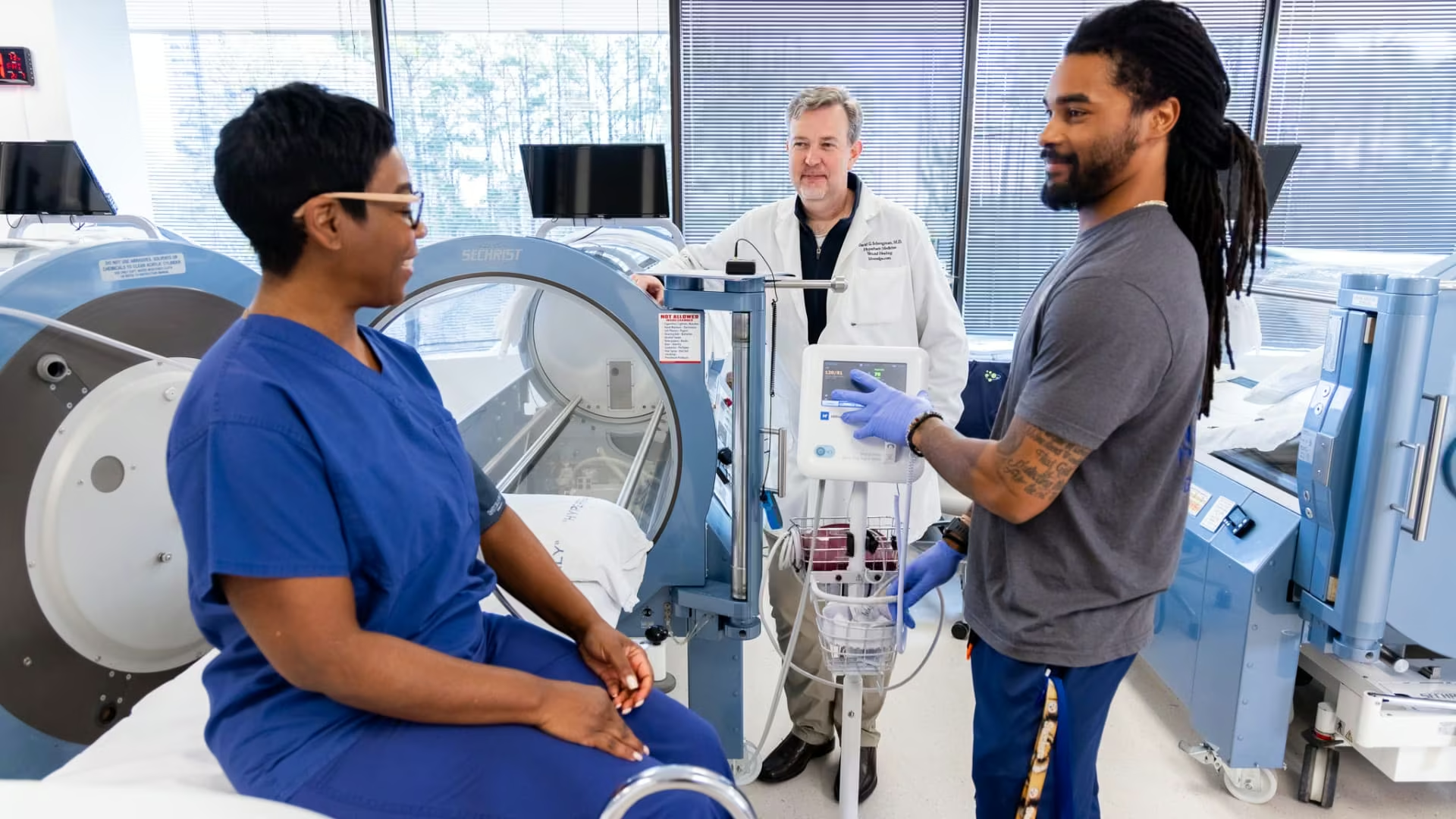
A standard HBOT session for Crohn’s disease is a simple, non-invasive procedure that is very relaxing for most people:
- First, you lie down or sit comfortably in the hyperbaric chamber while it slowly pressurizes. During this time, you may notice a fullness in your ears that comes and goes, much like taking off in an airplane.
- Each HBOT session usually lasts between 60 and 90 minutes, and treatment plans often involve several sessions per week over the course of a few weeks, depending on how your body responds.
- Most people pass the time resting, watching television, or listening to music while breathing normally.
Some people experience mild side effects such as ear pressure or temporary discomfort, which is why trained medical staff monitor you throughout the session.
Choosing an Accredited Hyperbaric Oxygen Therapy Facility for the Best and Safest Treatment
Choosing where you receive hyperbaric oxygen therapy matters just as much as deciding to try it. An accredited HBOT facility ensures that you receive care from highly-trained staff and physicians who can administer the proper treatment and watch for side effects.
An accreditation from the Undersea and Hyperbaric Medical Society also ensures that the equipment and medical providers are up-to-date in all safety standards and that strict safety standards for treatment and emergencies are followed. For someone managing a chronic medical condition like Crohn’s disease, this level of oversight provides peace of mind, knowing your treatment is done in a medically supervised environment rather than an unregulated setting.
Finding the Best Hyperbaric Oxygen Therapy for Crohn’s Disease
Living with Crohn’s can feel like you are always bracing for the next interruption, whether it is pain that hits out of nowhere, fatigue that drags the day down, or the quiet stress of not knowing how your stomach will behave. If you have been searching for additional support, HBOT is a supportive treatment option that many patients and clinicians are exploring as a complement to standard care. HBOT for supportive treatment of Crohn’s Disease may not be covered by insurance.
As the best hyperbaric oxygen therapy center in Sandy Springs, Regenerative and Hyperbaric Medicine is accredited with Distinction by the Undersea and Hyperbaric Medical Society (UHMS), which means our physician-supervised facility meets rigorous standards for hyperbaric care.
Ready to make the hyperbaric oxygen therapy in Sandy Springs a part of your Crohn’s disease treatment plan?


.svg)

.svg)
.svg)