

.svg)


.svg)


Radiation therapy plays a vital role in treating many head and neck cancers, but it can also reduce blood flow to healthy tissues, making it harder for the mouth, throat, jaw, and surrounding soft tissues to repair themselves over time. The National Cancer Institute reports that radiation therapy can cause late side effects that develop months or even years after treatment has finished. Hyperbaric oxygen therapy (HBOT) is one treatment that can help by delivering high levels of oxygen to damaged tissue, encouraging new blood vessel growth and supporting the body's natural healing process.
Continue reading to learn how radiation-related tissue damage develops, who can benefit from HBOT, how treatment works, and what to expect from the best hyperbaric oxygen therapy in Cumming, Georgia.
What Long-Term Damage Can Radiation Therapy Cause in the Mouth, Throat, and Jaw?
Radiation therapy targets cancer cells with a high level of precision, but nearby healthy tissue can also be affected. Over the course of treatment, radiation may damage small blood vessels that deliver oxygen and nutrients to the mouth, throat, jaw, and surrounding soft tissues. As blood flow decreases, the body's ability to heal slows down. Some people notice symptoms shortly after treatment, while others don’t develop problems for months or even years.
Common long-term complications of any type of radiation include:
- Painful mouth sores
- Difficulty swallowing
- Jaw stiffness
- Chronic dry mouth
- Slow-healing wounds
One of the most serious complications is soft tissue radionecrosis, which occurs when radiation-damaged tissue breaks down because it no longer receives enough oxygen and blood supply. Some patients also develop osteoradionecrosis, a condition that affects the jawbone and may occur after a tooth extraction or other dental procedure. These late effects can have a lasting impact on eating, speaking, and overall quality of life. Recognizing the symptoms of these complications early gives patients the best treatment options, including hyperbaric oxygen therapy. Early treatment also improves the odds of successfully healing radiation damage in Cumming.
How Does Hyperbaric Oxygen Therapy Help Heal Radiation-Damaged Tissue?
Hyperbaric oxygen therapy helps the body repair radiation-damaged tissue by increasing the amount of oxygen in the blood. During an HBOT treatment, patients breathe 99.7% oxygen inside a pressurized chamber. The increased oxygen and atmospheric pressure allow oxygen to dissolve into the bloodstream at much higher levels than normal, reaching areas where circulation has been reduced by radiation.
The extra oxygen helps stimulate the growth of new blood vessels, a process known as angiogenesis. It also supports collagen production, reduces inflammation of connective tissues, and promotes the healing of damaged tissue in the affected area more effectively. These changes can improve healing in patients with soft tissue radionecrosis and other radiation-related injuries.
It is important to understand that HBOT does not treat cancer itself. Instead, it helps restore the health of tissue that was injured during cancer treatment. For many patients seeking hyperbaric oxygen therapy for radiation necrosis, HBOT is an important part of recovery.
Who Is a Good Candidate for Hyperbaric Oxygen Therapy After Head or Neck Radiation?
Not every patient who receives radiation therapy will need HBOT, though it can be highly beneficial for those who develop ongoing complications. Patients who are usually recommended for treatment are those with:
- Soft tissue radionecrosis
- Nonhealing wounds inside the mouth or throat
- Chronic tissue breakdown
- Osteoradionecrosis of the jaw
HBOT may also be recommended before and after certain dental procedures to lower the risk of poor healing in previously irradiated tissue.
How to Know if HBOT for Soft Tissue Radionecrosis is Right for You
When you choose the best hyperbaric oxygen therapy clinic in Cumming, your treatment will start with an experienced hyperbaric medicine physician who will review your medical history, imaging studies, and current symptoms before recommending treatment. Care plans are then coordinated with your oncologist, oral surgeon, ENT specialist, or dentist to ensure every part of your treatment plan works together. Patients searching for advanced wound care management in Cumming also benefit from this team-based approach, as radiation injuries frequently require specialized expertise from multiple providers.
What Happens During a Hyperbaric Oxygen Therapy Session?
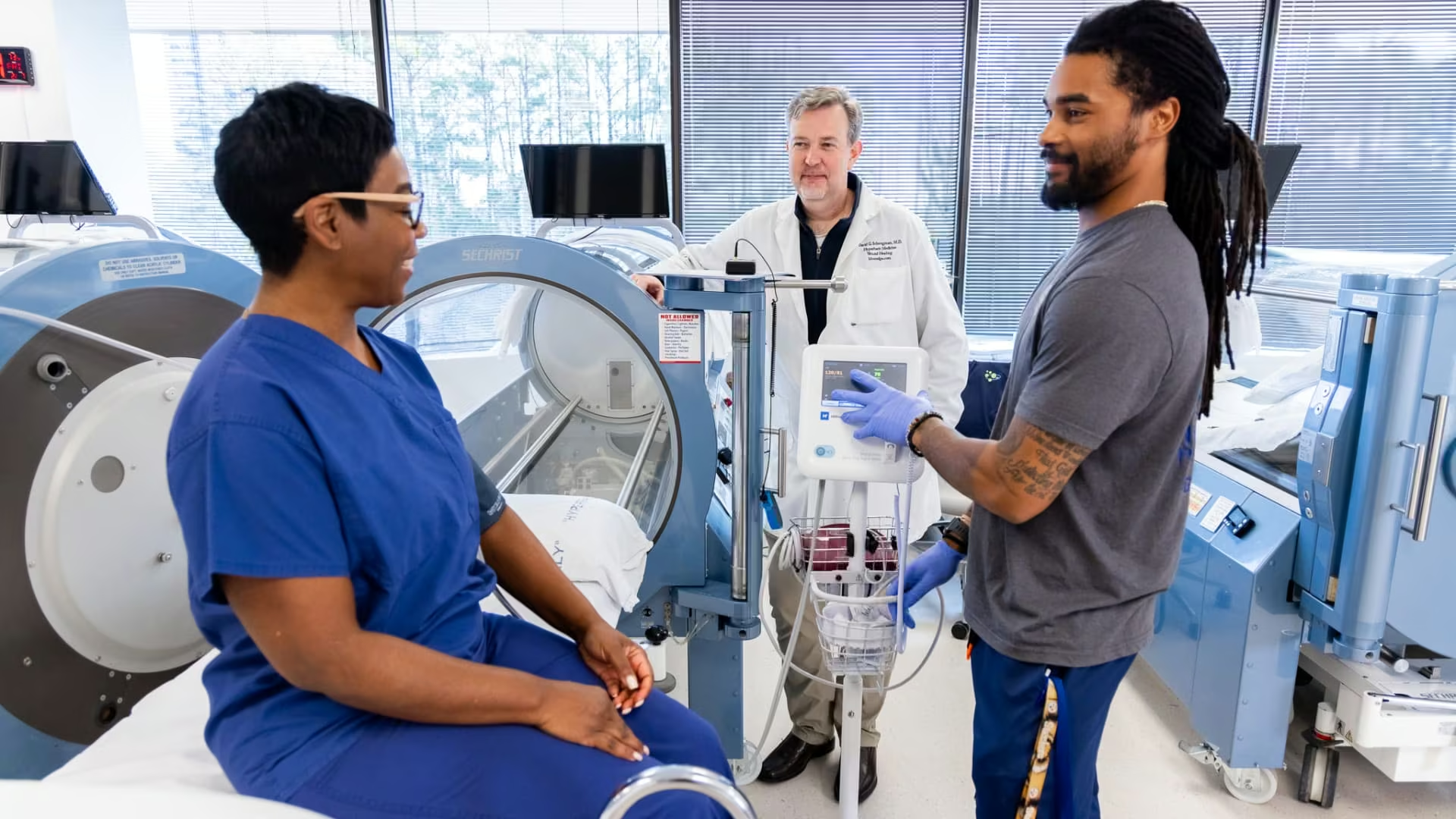
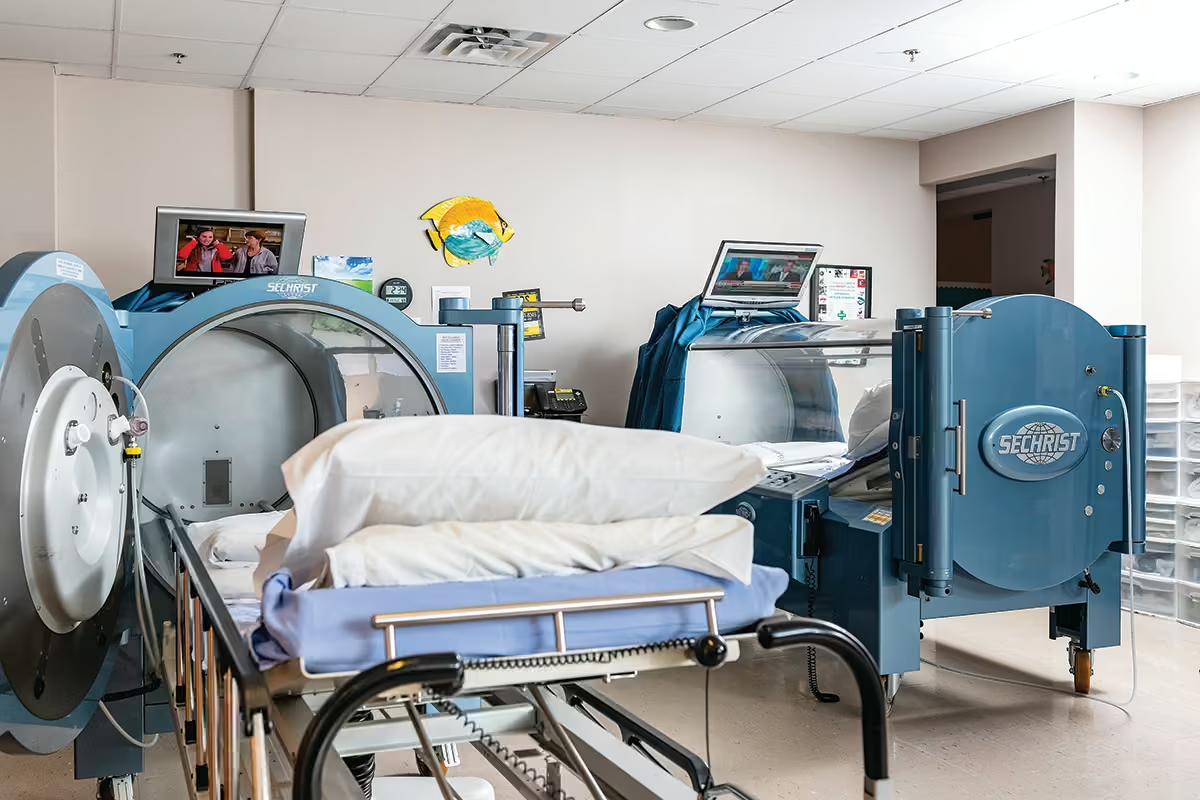
During a typical hyperbaric oxygen therapy session, you relax inside a specialized chamber while breathing pure oxygen. Most treatments last between 30 and 90 minutes. As the chamber is pressurized, you may notice a feeling of fullness in your ears that is similar to the sensation during an airplane flight. Staff members monitor you throughout the session to ensure your comfort and safety.
Treatment plans vary based on the severity of the radiation injury, with many patients completing several sessions each week over the course of several weeks. A hyperbaric physician will determine the number of treatments based on how your tissue responds. Because healing after radiation often takes time, completing the full course of hyperbaric oxygen therapy in Cumming gives damaged tissue the opportunity to gradually rebuild its blood supply and continue healing.
How Successful Is Hyperbaric Oxygen Therapy For Radiation-Related Tissue Damage?
Clinical research has shown that hyperbaric oxygen therapy can improve healing in selected patients with radiation-related tissue injuries, including soft-tissue radionecrosis, by increasing oxygen delivery and promoting new blood vessel growth.
The greatest benefit often comes when symptoms are evaluated before tissue damage becomes more advanced. This means that if you continue to experience mouth pain, exposed tissue, swallowing difficulties, or wounds that do not heal after radiation therapy, it is important to seek evaluation from an experienced team providing hyperbaric oxygen therapy for radiation necrosis and advanced wound care management in Cumming, who can determine whether HBOT is an appropriate option for your recovery and help you take the next step toward lasting healing.
Finding the Best Hyperbaric Oxygen Therapy in Cumming, Georgia
Living with soft tissue radionecrosis can make everyday activities like eating, speaking, and swallowing more difficult than they should be. This is why patients across Metro Atlanta and North Georgia come to Hyperbaric Physicians of Georgia for personalized treatment plans that use advanced hyperbaric oxygen therapy to help restore blood flow, support tissue repair, and improve healing after radiation therapy.
With a team of physicians leading our care team, our program is accredited by the Undersea and Hyperbaric Medical Society, reflecting our commitment to meeting the highest standards in hyperbaric medicine, and we are proud to maintain a 100% safety record.
Ready to explore your treatment options with the best hyperbaric oxygen therapy clinic in Cumming after head or neck cancer treatment?

.svg)

.svg)
.svg)