

.svg)


.svg)

A wound that refuses to heal months or even years after cancer treatment is both painful and frustrating. While radiation therapy is highly effective at destroying cancer cells, a side effect is that it can also damage healthy blood vessels and surrounding connective tissues, leaving some patients with chronic wounds that struggle to heal because they no longer receive the oxygen and nutrients needed for normal repair. Research shows that about 3% to 5% of patients who receive radiation therapy develop delayed tissue injuries that can include chronic wounds and soft tissue breakdown. Unlike an ordinary cut or surgical incision, these wounds can continue to worsen without specialized treatment.
Read on to learn how radiation injuries develop, how comprehensive wound care and hyperbaric oxygen therapy work together to stimulate healing, and where to find the best hyperbaric oxygen therapy clinic in Sandy Springs.
Why do Chronic Wounds Develop After Radiation Therapy?
Radiation therapy works by damaging cancer cells, but healthy tissue in the treatment area can also be affected. Over time, radiation can damage small blood vessels that carry oxygen and nutrients to the skin, muscles, and other tissues. This damage can reduce blood flow and make it difficult for the body to repair itself after even a minor injury or surgery. Fibrosis, or thickening and scarring of tissue, can also develop, making the affected area stiff and less able to heal.
One of the most challenging parts of radiation injury is that it does not always appear right away. Some people develop wounds during treatment, while others notice skin breakdown months or even years later. Patients who have received radiation for head and neck cancer, breast cancer, gynecologic cancer, colorectal cancer, prostate cancer, or skin cancer can have a greater risk of developing radiation-related wounds.
What are the Signs That a Radiation Wound Is Becoming a Chronic Wound?
Radiation-damaged tissue changes slowly, making it easy to overlook at first. Early warning signs of radiation injury include:
- A wound that stays open for weeks without getting smaller should always be evaluated by a wound care specialist
- Skin that appears thin, pale, or unusually firm
- Persistent drainage, swelling, tenderness, or a burning sensation around the wound
As tissue damage continues, the wound may become deeper and expose muscle, tendon, or even bone. Drainage may increase, and an unpleasant odor can develop if bacteria begin to grow within the wound. Some patients experience repeated infections that improve with antibiotics but return because the damaged tissue has not fully healed.
What Happens if Radiation-Induced Chronic Wounds Are Left Untreated?
Radiation wounds rarely improve on their own. Without treatment, poor circulation limits the body's ability to fight infection and replace damaged tissue. The wound may gradually grow larger as nearby tissue continues to break down.
As healing slows, bacteria can spread deeper into the wound. This increases the risk of serious infections such as cellulitis or infections involving the underlying bone. Some patients develop soft tissue necrosis, which is the death of healthy tissue caused by poor blood supply. Others may develop osteoradionecrosis, a condition in which radiation damages the bone and prevents it from healing properly. These complications can become painful and may require hospitalization or reconstructive surgery if they are allowed to progress.
How Does Hyperbaric Oxygen Therapy Help Heal Chronic Wounds After Radiation?
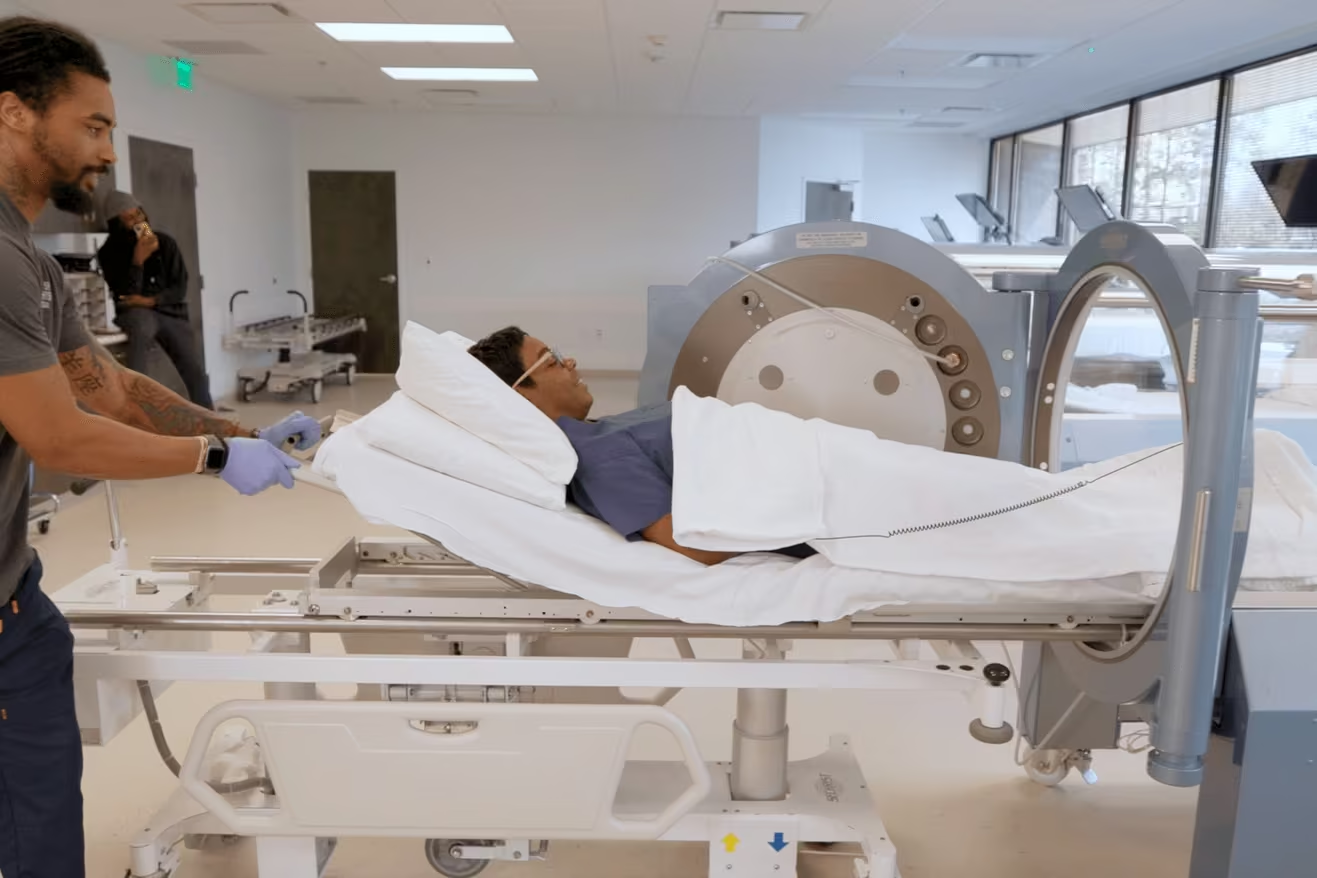
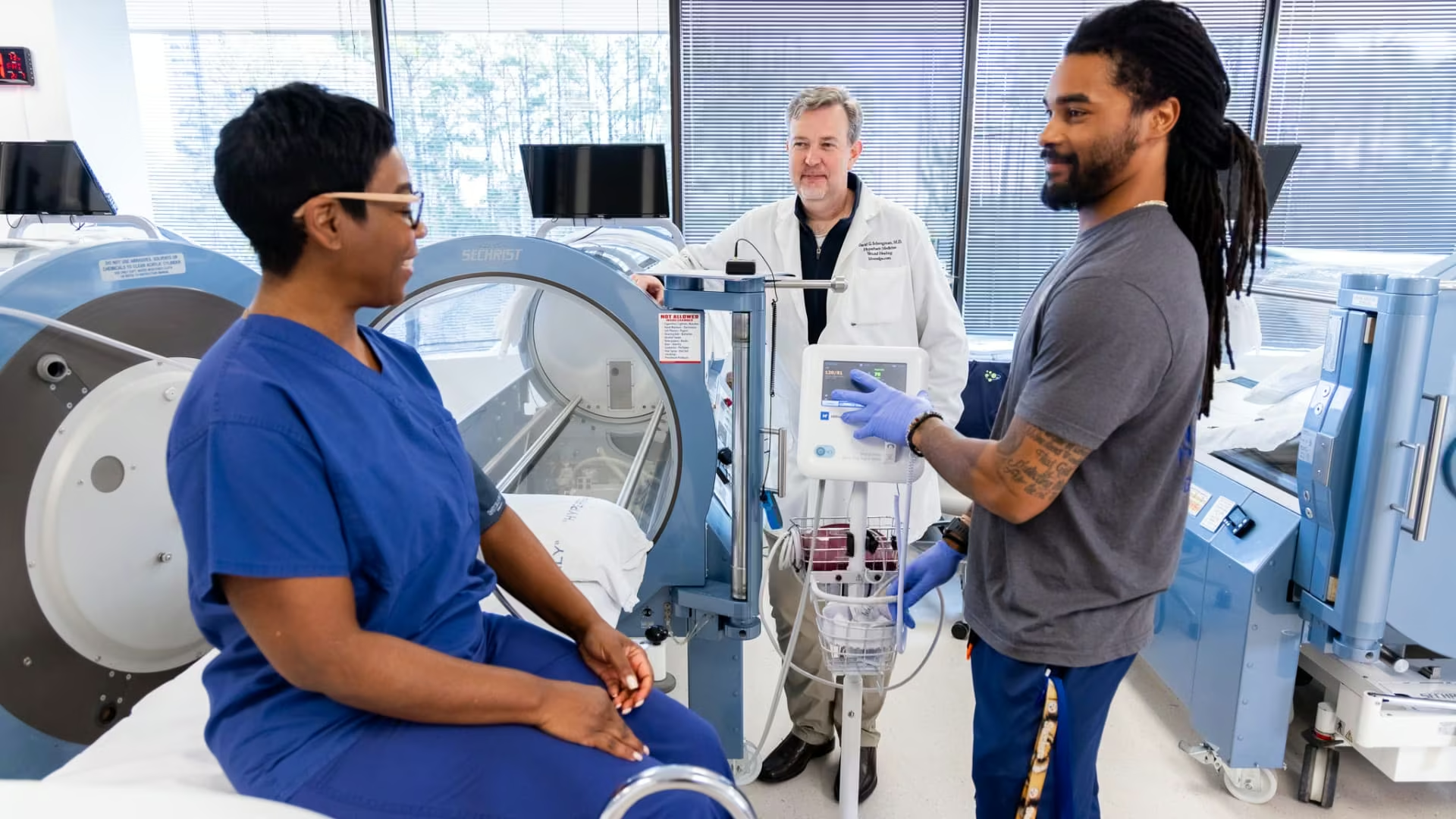
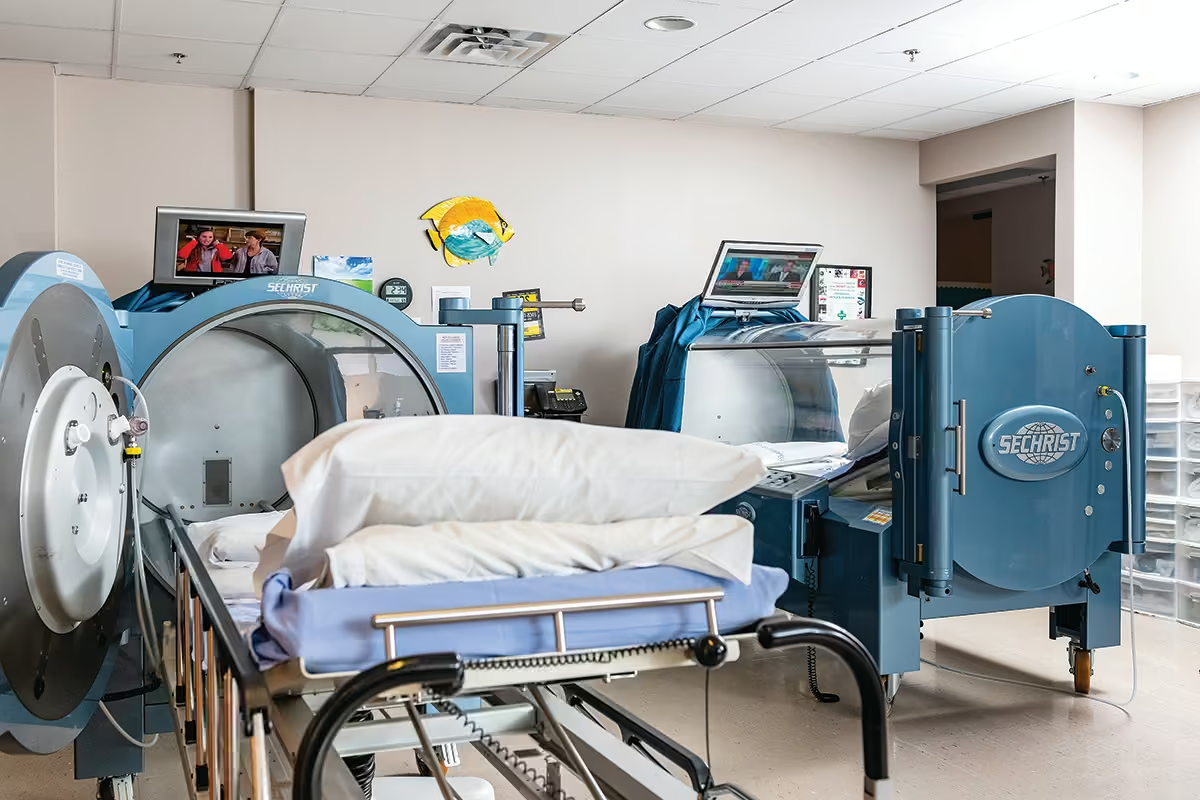
Hyperbaric oxygen therapy, also called HBOT, treats radiation injuries by increasing the amount of oxygen carried in the bloodstream. During treatment, patients breathe 99.7% oxygen inside a specially designed chamber. The higher oxygen levels allow more oxygen to reach tissue that has been damaged by radiation and has a limited blood supply.
This additional oxygen helps stimulate the growth of new blood vessels through a process called angiogenesis. It also supports collagen production, reduces swelling, and improves the body's ability to fight infection. Over time, these changes help create healthier tissue that is better able to heal chronic wounds.
The Undersea and Hyperbaric Medical Society recognizes delayed radiation injuries as an approved indication for HBOT because of its ability to improve healing in damaged tissue. HBOT is commonly used to treat radiation injuries affecting the jaw, head and neck, breast, pelvis, prostate, and other parts of the body.
Comprehensive Wound Care For Radiation-Induced Wounds: What to Expect
The best delayed radiation injury treatment in Sandy Springs includes a comprehensive wound care program that begins with a detailed evaluation of the wound, surrounding tissue, medical history, and previous cancer treatment. Specialists then develop a plan designed to encourage healing while reducing the risk of complications. Treatment usually includes:
- Careful wound cleaning
- Removal of damaged tissue through debridement
- Advanced wound dressings
- Infection management
- Nutritional support
- Pressure relief when appropriate
- Hyperbaric oxygen therapy to reduce inflammation and support healing
- Regular follow-ups to monitor healing and adjust treatment as the wound improves
Hyperbaric oxygen therapy is included in comprehensive wound care because it addresses the underlying tissue damage caused by radiation. By combining HBOT with advanced wound care techniques, specialists can improve oxygen delivery, support tissue repair, and give chronic wounds the best chance to heal.
Finding the Best Delayed Radiation Injury Treatment in Sandy Springs
Since 1993, Hyperbaric Physicians of Georgia has helped patients heal from complex radiation injuries with personalized treatment plans tailored to their specific needs. Patients travel to us from across Metro Atlanta and North Georgia for advanced wound care and hyperbaric oxygen therapy delivered by an experienced team.
Our facility is accredited with distinction by the Undersea and Hyperbaric Medical Society, and we are proud to maintain a 100% safety record. Under the leadership of Dr. Helen Gelly and Chief Medical Director Dr. David Schwegman, an emergency medicine physician, former Emory University faculty member, and Atlanta Top Doctor, our team combines decades of clinical experience with proven therapies to help patients move forward with confidence.
If you have a wound that has not healed after radiation therapy, it’s time to give your body the best chance to heal by exploring treatment options with the best hyperbaric oxygen therapy clinic in Sandy Springs.

.svg)

.svg)
.svg)