

.svg)


.svg)


The days after breast reconstruction are the most critical for tissue flap success and overall recovery. While most patients understand how to do drain care and about their lifting restrictions, little is told about what a failing tissue flap looks like, how fast complications can arise, and how much hyperbaric oxygen therapy can help prevent flap failure.
Breast reconstruction is already one of the most physically and emotionally demanding experiences a woman can go through. Adding the pressure of monitoring your own healing tissue without knowing what to watch for is an unfair burden to carry alone. Yet mastectomy skin flap necrosis occurs in up to 30% of patients who undergo breast reconstruction, which means watching for early signs of complications is important.
Read on to learn about the early warning signs of tissue flap compromise, why hyperbaric oxygen therapy is a frontline tool for saving failing tissue flaps, and where to find the best hyperbaric oxygen therapy in Marietta.
Tissue Flap Compromise After Mastectomy
Breast reconstruction using your own tissue transplants living tissue from one part of your body to your chest. That tissue needs a blood supply to survive, and in the days after surgery, that newly connected blood supply is fragile. In fact, circulation problems usually develop within the first 48 hours after tissue flap reconstruction, sometimes requiring a return to the operating room just to keep the flap alive.
If the blood vessels feeding the flap kink, twist, or develop clots, the tissue on the other end of those vessels starts to lose oxygen. Certain factors make this more likely:
- Smoking, even if you quit recently, weakens blood flow and slows healing in ways that directly increase your risk.
- Carrying extra weight adds strain to the vascular connections.
- Prior radiation therapy changes the quality of the tissue itself, making it less able to tolerate reduced circulation.
Early Warning Signs of a Failing Tissue Flap
Most patients expect pain to be the first warning sign of trouble after breast tissue reconstruction. In reality, the first thing to watch is color. Healthy reconstructed tissue should look similar in tone to the surrounding skin. When the blood supply is being choked off, the skin begins to darken, moving from pink to purple to a dusky, mottled gray.
A flap with venous congestion, meaning blood is flowing in but not draining out properly, will also look swollen and bluish, almost bruised, and may feel warmer than the skin around it. On the other end, a flap losing its arterial supply will look pale and feel cool to the touch.
When to Get Hyperbaric Oxygen Therapy for Compromised Tissue Flaps
When a compromised flap is identified and treated within six hours, the salvage rate is 75%. That means three out of four patients who catch the problem early enough have a real chance of keeping their reconstruction. The problem is that most patients don't know about that window, so they wait to see if the discoloration will pass.
Research finds that patients who received hyperbaric oxygen therapy within 48 hours of noticing signs of flap compromise had a 90% success rate in resolving threatened tissue necrosis. That number drops significantly the longer treatment is delayed.
How Hyperbaric Oxygen Therapy Works to Save Compromised Flap Tissue
When a flap begins to fail, the tissue is alive, but it is not getting what it needs to stay that way. Hyperbaric oxygen therapy addresses that problem by directly flooding cells with medical-grade oxygen.
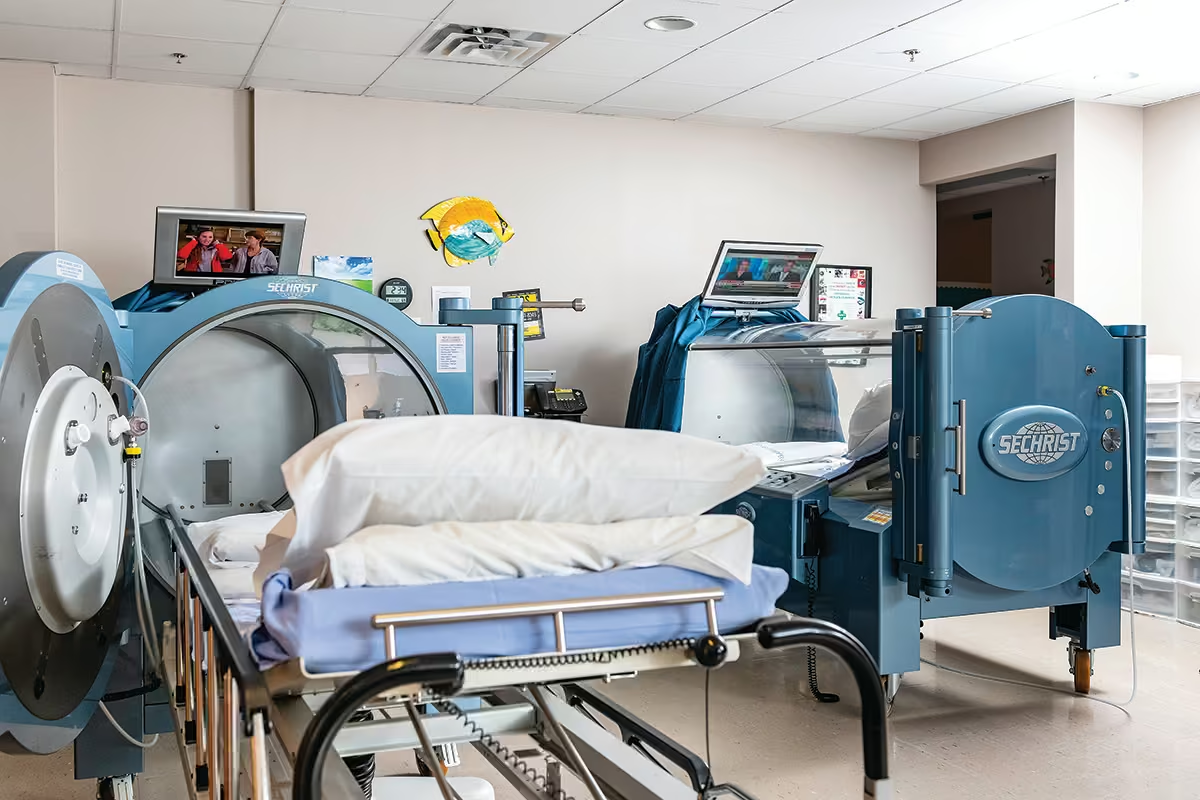
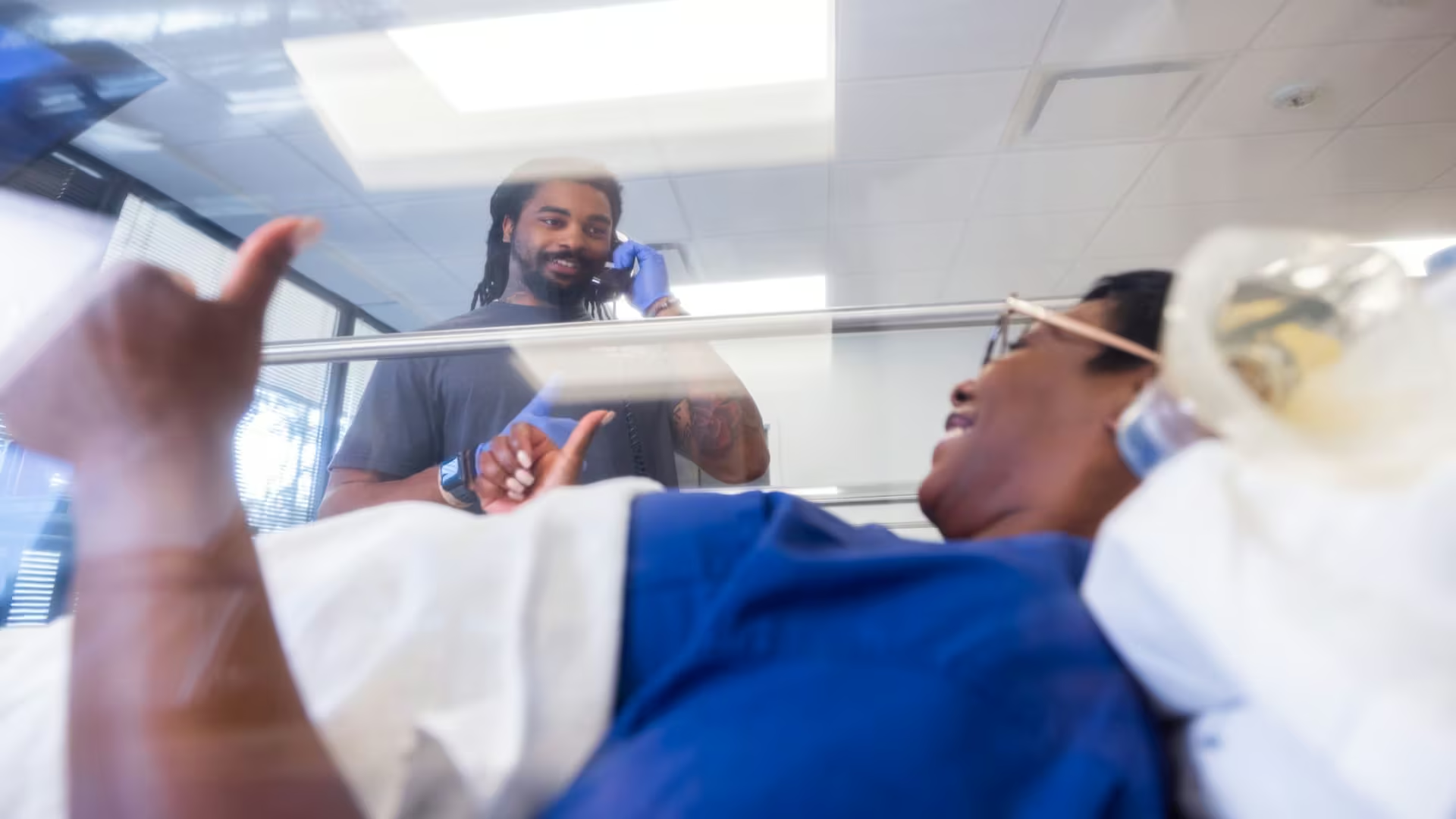
During an HBOT session, you breathe 99.7% oxygen inside a pressurized chamber, which forces significantly more oxygen into your bloodstream than normal breathing ever could. That oxygen-rich blood reaches tissue that your regular circulation can no longer supply adequately. This improves tissue oxygenation and stimulates the growth of new blood vessels, which helps rebuild the circulation that flap tissue desperately needs.
This flood of oxygen also reduces inflammation, which is one of the factors that accelerates tissue death after a vascular event. A typical treatment protocol involves sessions at two times the normal atmospheric pressure, lasting around 60 to 90 minutes, conducted once or twice per day, depending on the severity of compromise.
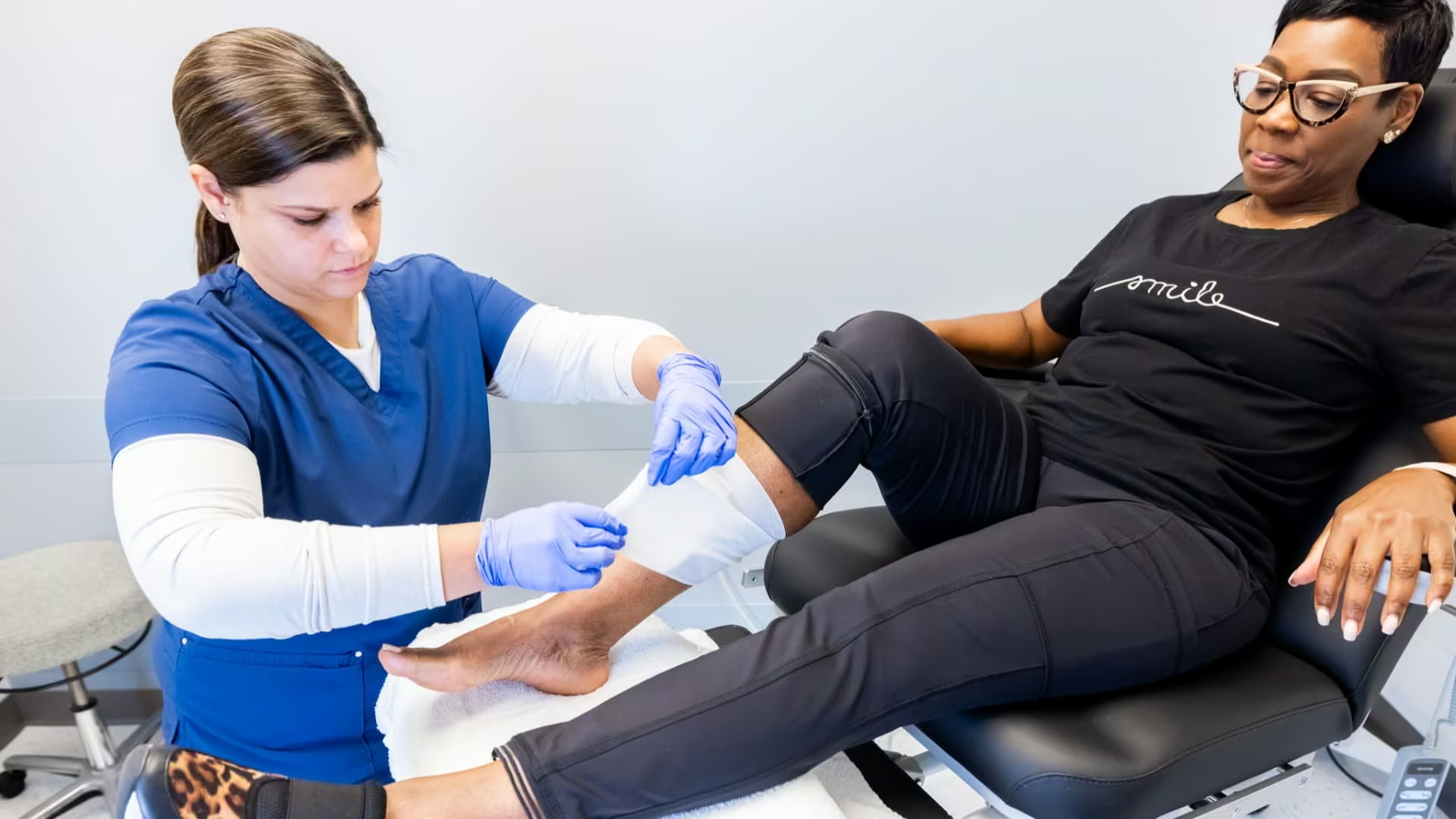
HBOT does not replace adequate post-surgical wound care and surgical intervention when a vessel needs to be physically repaired.
Finding the Best Hyperbaric Oxygen Therapy in Marietta for Breast Reconstruction Patients
Breast reconstruction is a major surgical procedure, and the first days and weeks of recovery are fragile. Starting hyperbaric oxygen therapy early in your recovery can help ensure the survival of your tissue flaps.
At Hyperbaric Physicians of Georgia, we work with breast reconstruction patients to provide medically supervised hyperbaric oxygen therapy in a clinical environment where your history, your reconstruction, and your specific needs are all taken into account. Our team of physicians understands the urgency that flap compromise requires, and we are equipped to move quickly when timing is everything. We offer accredited, state-of-the-art facilities in Marietta, Cumming, and Sandy Springs that serve patients across Metro Atlanta, North Georgia, and nationwide.
Ready to ensure your mastectomy or tissue flap reconstruction recovery goes as smoothly as possible with help from the best hyperbaric oxygen therapy clinic in Marietta?

.svg)
.svg)
.svg)
.svg)