

.svg)


.svg)


After a surgeon spends hours carefully rebuilding skin and tissue from a complex wound, a traumatic injury, or a cancer surgery, the days that follow can feel painfully long for patients and their families.
Skin flap procedures are one of the most powerful tools in reconstructive surgery, but skin flap necrosis still occurs in 10 to 15% of cases, and on any part of the body. Most of those problems show up within the first 48 to 72 hours after surgery. Before patients and caregivers can understand how to rescue a flap that is in trouble, it helps to first understand why flaps fail at all and what can be done to help avoid flap failure.
Read on to learn the three most common reasons a flap can start to fail, how hyperbaric oxygen therapy (HBOT) can help prevent skin flap necrosis, and where to find the best hyperbaric oxygen therapy for skin grafts and flaps in the United States.
What Is a Skin Flap and How Do Skin Flaps Fail?
A skin flap is not the same thing as a skin graft, even though people often mix the two up:
- A skin graft is a thin layer of skin moved to a new spot, where it has to wait for nearby tissue to grow blood vessels into it.
- A skin flap is bigger and more complete because it brings its own blood supply along, with arteries and veins still attached or surgically reconnected.
The built-in blood flow of a skin flap is what allows flaps to cover deep wounds, exposed bone, or areas that would never accept a simple graft. The catch is that a flap's success depends almost entirely on whether that blood supply keeps working. If anything cuts off the flow in or out, even briefly, the tissue can start to die.
Vascular problems are the leading cause of flap compromise, and the first 48 to 72 hours after surgery are when those problems are most likely to appear. Below are the three most common reasons a skin flap can become compromised:
1. Venous Congestion
Venous congestion is the most common reason a skin flap runs into trouble after surgery, and it can move fast. The problem is not that fresh blood cannot get into the flap. The problem is that used blood cannot get out. When that drainage system backs up, the flap turns a dusky purple or blotchy blue color, swells until the skin feels tight, and may bleed a darker red than expected if pricked with a needle. That trapped blood starves the tissue of oxygen from the inside. Venous congestion can compromise a skin flap in as little as three hours if no one steps in to fix it. The usual triggers include a twisted vein, a small clot at the surgical connection point, a hematoma pressing on the area, or a dressing wrapped too tightly.
2. Arterial Insufficiency
Arterial insufficiency is the opposite problem from venous congestion. Instead of blood being unable to leave the flap, fresh oxygen-rich blood cannot get in. A flap with arterial trouble looks pale or even white, feels cool to the touch, and refills slowly when pressed with a fingertip. The cause is often a clot at the artery connection, a pinched blood vessel, too much tension on the tissue, or a spasm in the artery itself. Smoking, uncontrolled diabetes, and existing vascular disease all make arterial problems more likely. The good news is that arterial flaps tend to give clinicians a slightly longer window to act, but tissue can still begin to die in six to 12 hours without good blood flow. Acting early gives the flap the best chance of survival.
3. Infection, Hematoma, and Other Hidden Threats
Not every flap failure shows up in the first day or two. Some problems sneak in later, after the early danger window has passed, and infection is the biggest one. A flap that is becoming infected may show spreading redness around the edges, drainage that looks cloudy or smells off, worsening pain instead of pain that is getting better, or a fever that will not go away. Hematomas, which are pockets of blood that collect under the flap, can also cause trouble in two ways. They press on the small blood vessels and choke off circulation, and they create a warm, moist space where bacteria can grow. Certain patients carry more risk than others. People who smoke, have diabetes, have had radiation in the area, are not eating enough to support healing, or have circulation problems all face higher odds of late flap failure.
How Can Hyperbaric Oxygen Therapy Save a Compromised Skin Flap?
When surgery has done what it can, but the flap is still struggling, hyperbaric oxygen therapy offers the best way to help the tissue stay alive. While most people associate hyperbaric medicine with decompression sickness and as a treatment option for carbon monoxide poisoning, this treatment also helps a multitude of medical conditions, including infectious diseases, soft tissue wounds, and reducing the risk of post-surgical complications.
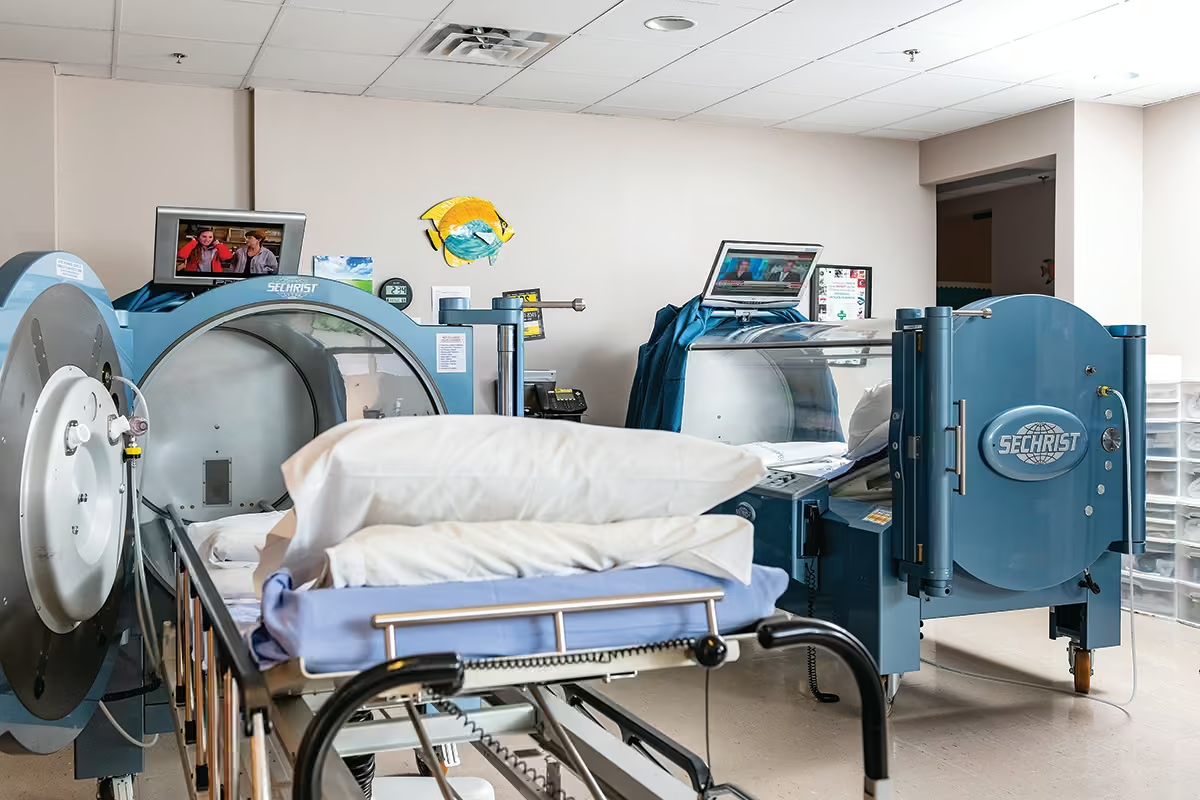
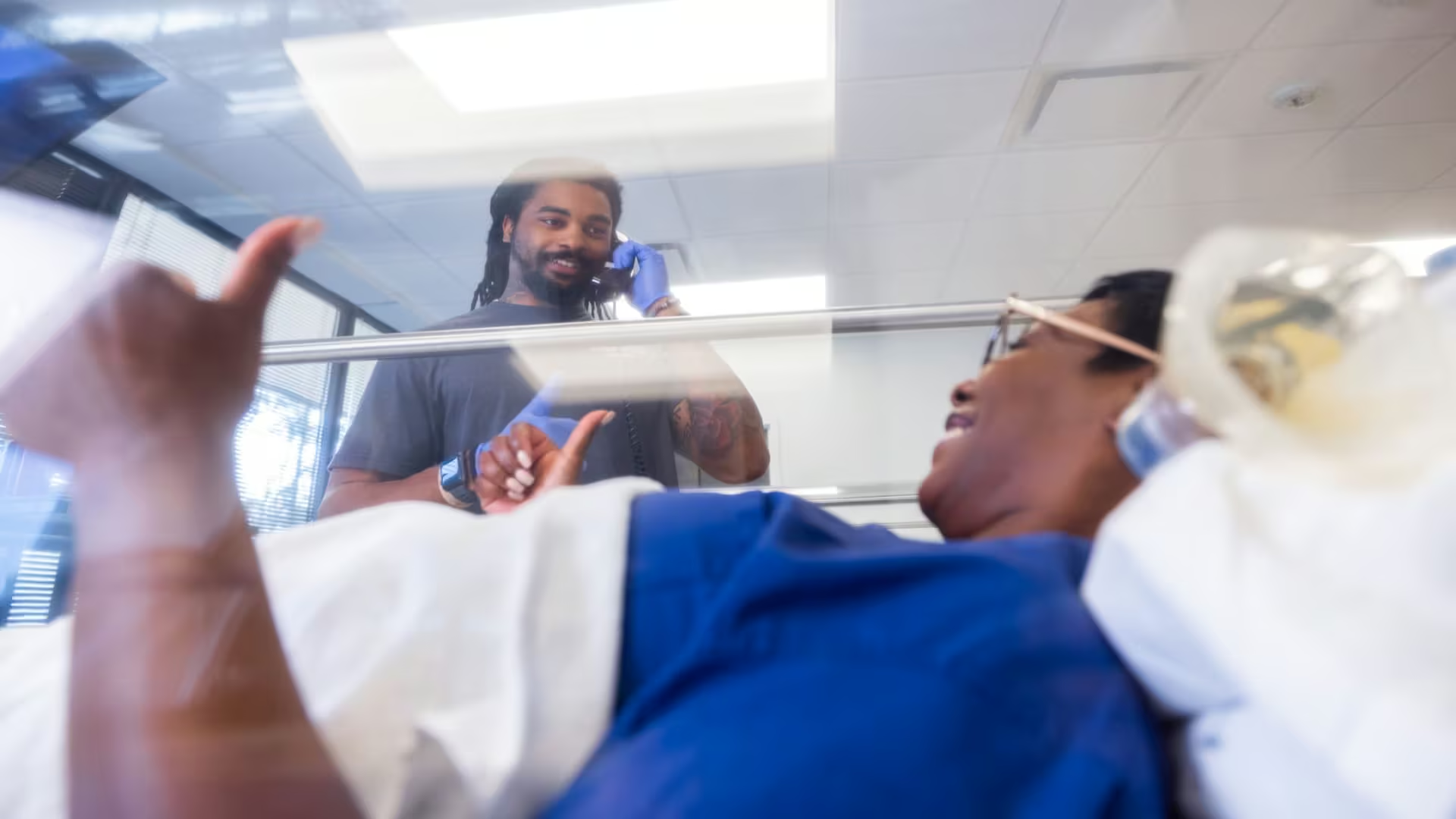
During an HBOT session, the patient lies inside a clear, pressurized chamber and breathes 99.7% medical-grade oxygen. The air pressure inside the chamber forces extra oxygen to dissolve directly into the bloodstream and the fluid around the tissue, which means oxygen can reach areas that the damaged blood vessels struggle to reach. That extra oxygen does several things at once:
- It kick-starts the growth of new tiny blood vessels inside the flap
- Calms swelling
- Supports the cells that build new tissue
- Gives white blood cells a stronger ability to fight off infection
Hyperbaric oxygen is FDA-approved for compromised grafts and flaps, and flap survival rates ranged from 62.5% to 97% with hyperbaric treatment compared to 35% to 78% in peer-reviewed studies. Those are staggering numbers that help explain why hyperbaric oxygen therapy has earned a spot in modern healthcare for post-surgery skin flap survival.
When Should Hyperbaric Oxygen Therapy Start After Skin Flap Surgery?
The same peer-reviewed research finds that the effectiveness of hyperbaric oxygen therapy dropped from 90% to 97% when started immediately after surgery to about 50% when treatment was delayed. This means the best window to begin HBOT is within the first 48 to 72 hours after the surgical team has corrected any kinks, clots, or pressure points behind the original problem. Additionally, hyperbaric oxygen therapy paired with comprehensive wound care is associated with even higher rates of success.
A typical course of treatment involves a series of sessions that last around 90 minutes each. The first few days may include two sessions per day, and the schedule eases up as the flap recovers. Most patients find the experience surprisingly calm. They can rest, listen to music, or watch a screen while the chamber does its work.
Where to Find the Best Hyperbaric Oxygen Therapy for Skin Grafts and Flaps in the United States
A flap that is starting to fail does not give patients much time to weigh options, and the choice of who treats it next can shape the outcome more than most people realize. At Hyperbaric Physicians of Georgia, our team of physicians treats failing flaps, threatened skin grafts, and tissue damaged by radiation every day, and we partner closely with referring surgeons to step in during the narrow window when hyperbaric oxygen can still help save the tissue.
Patients travel to our three accredited clinics in Metro Atlanta from across the country because of the care, the equipment, and the depth of experience they find when they arrive. Our facilities, chambers, and treatment protocols are built around current clinical evidence, and we are proud to offer HBOT treatments with a perfect safety record across thousands of patient hours.
Ready to protect your skin flap with the best hyperbaric oxygen therapy in the United States?


.svg)
.svg)
.svg)
.svg)