

.svg)


.svg)
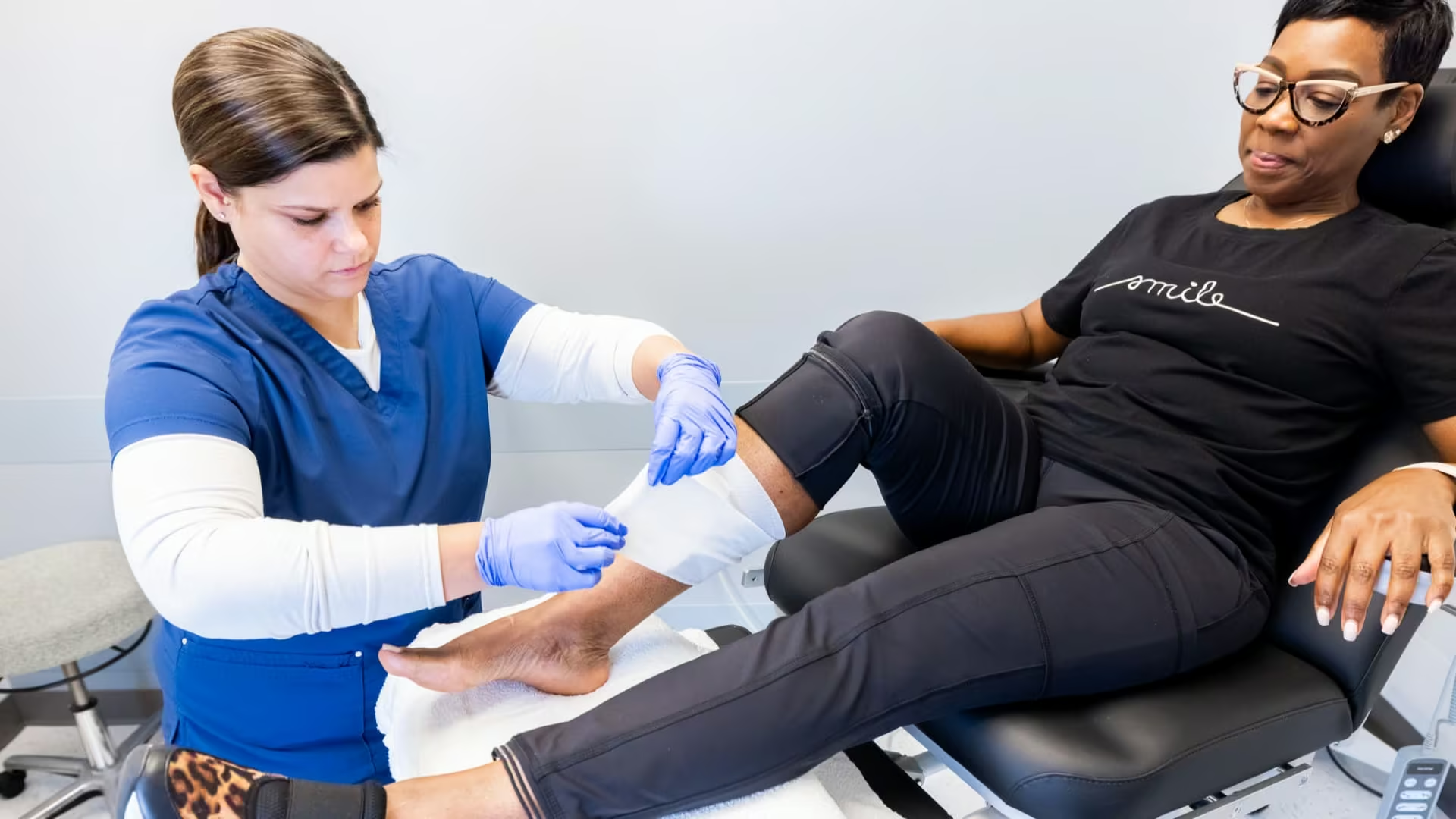

A small cut on your foot may seem insignificant, but when peripheral vascular disease (PVD) is affecting circulation, that type of wound can become a serious problem. PVD reduces blood flow to the legs and feet, limiting the oxygen and nutrients available to injured tissue and making it harder for the body to repair itself. Among people with known PVD, an estimated 11% to 20% develop chronic limb-threatening ischemia, which can involve nonhealing wounds, ulcers, or gangrene.
When a wound does not heal as expected, the priority is figuring out why. Poor circulation can be a large part of the problem, but infection, damaged tissue, and other factors can also interfere with healing. A comprehensive wound care plan addresses these issues while supporting the body's ability to repair the affected tissue. For some patients, the addition of hyperbaric oxygen therapy (HBOT) can provide the support necessary for healing, increasing the amount of oxygen available to tissues that are struggling to heal.
Read on to learn how comprehensive wound care and HBOT work together for people with PVD and where to find the best hyperbaric oxygen therapy in the Nation.
How Does Peripheral Vascular Disease Affect Your Feet and Legs?
Peripheral vascular disease can restrict blood flow to the feet and legs, reducing the amount of oxygen available to damaged tissue. This can make wounds difficult to heal and increase the risk of infection, ulcers, tissue death, and, in severe cases, gangrene and amputation. Comprehensive wound care and hyperbaric oxygen therapy can support the body's healing process.
Why Does Peripheral Vascular Disease Make Foot and Leg Wounds Harder to Heal?
Wound healing requires an adequate supply of oxygenated blood because blood cells deliver oxygen and nutrients to injured tissue while also supporting the immune response needed to fight infection and remove damaged tissue.
When arteries in the legs become narrowed or blocked, blood flow can be reduced. The farther the tissue is from the affected vascular area, the greater the potential impact can be on the feet and toes. That is why a wound associated with poor circulation can behave differently from an ordinary cut or scrape. Instead of steadily improving, it may remain open, develop an ulcer, or become increasingly difficult to manage.
Signs of PVD that may affect the feet and legs include:
- Cold feet or toes
- Numbness or tingling in the toes
- Skin discoloration
- Leg pain or cramping with activity
- Swelling in the feet or legs
- Changes in the appearance or texture of the skin
- Foot or leg wounds that do not heal
- Recurring ulcers or sores
How Can Hyperbaric Oxygen Therapy Support Healing?
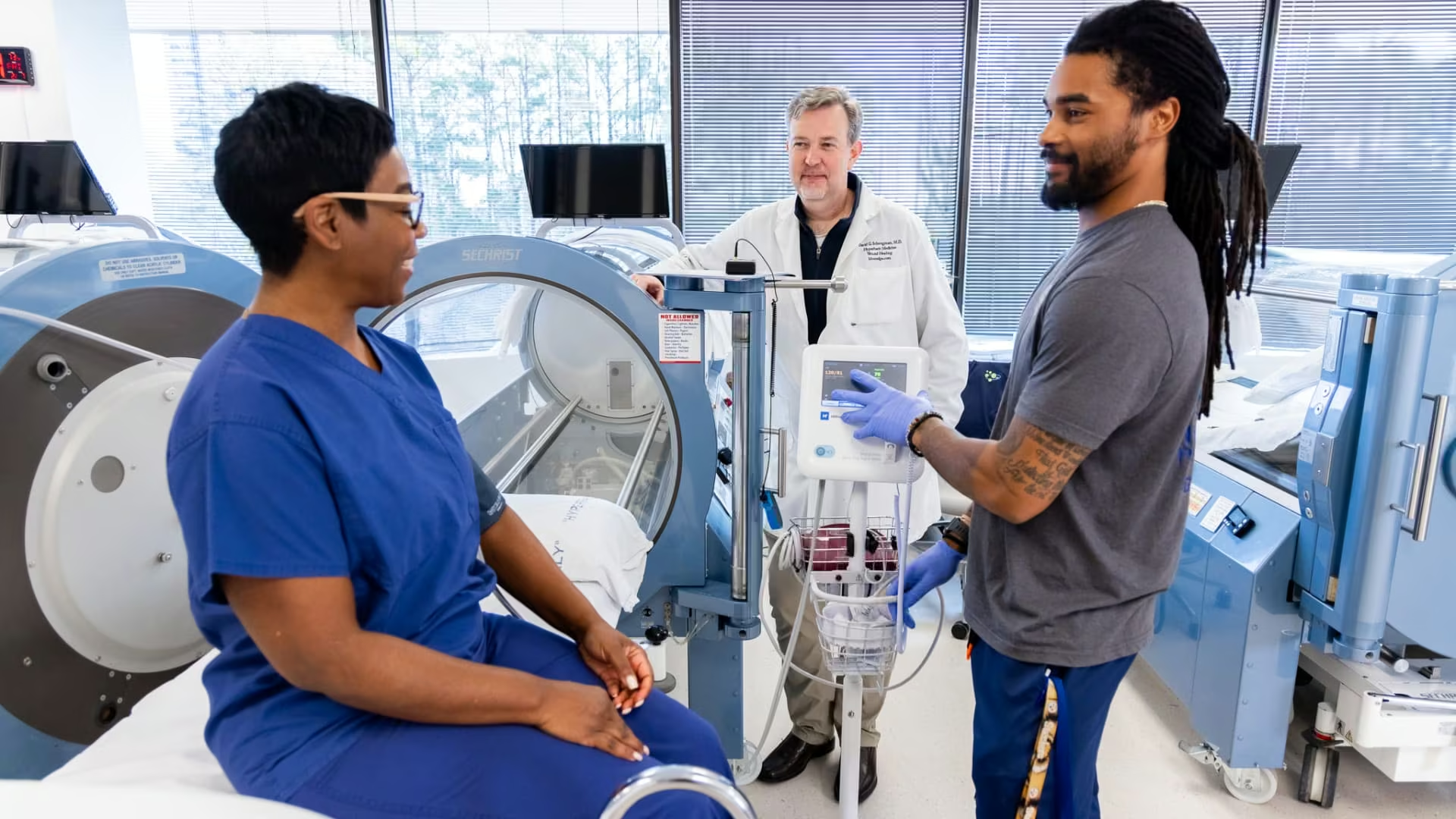
Hyperbaric oxygen therapy delivers medical-grade oxygen while the patient is treated inside a pressurized chamber. The increased pressure allows the body to absorb substantially more oxygen than it can under normal atmospheric conditions.
During a standard treatment, you’ll breathe 99.7% medical-grade oxygen at an atmospheric pressure that is two to three times higher than normal. For many wounds, this level of increased oxygen availability supports several processes involved in healing, including increased oxygen and support for:
- Tissue repair
- Infection control
- Difficult-to-heal wounds
How Long Does a Hyperbaric Oxygen Treatment Session Take?
HBOT is typically performed as a series of treatments, with treatment plans individualized to the patient's condition and response to therapy. During treatment, patients relax inside a hyperbaric chamber while breathing medical-grade oxygen.
The experience is generally straightforward. As the chamber is pressurized, you may notice pressure in your ears similar to the sensation experienced during takeoff or landing on an airplane. Most people relax while listening to music, audiobooks, or podcasts. Some even doze off for a short nap during treatment.
Is Comprehensive Wound Care Important for PVD?
PVD-related wounds require attention to both the wound and the conditions affecting its ability to heal. For patients with complex wounds, working with experienced wound care specialists in the United States provides access to physician-directed evaluation and advanced wound treatment options, including hyperbaric treatments whenever appropriate. Comprehensive wound care at Hyperbaric Physicians of Georgia brings these two pieces together.
Where to Find the Best Hyperbaric Oxygen Therapy in the United States for Healing of Chronic Wounds
Peripheral vascular disease can cause a minor injury to become a chronic wound, infection, or more serious tissue problem. Early evaluation and comprehensive wound care are the best way to help identify the barriers to healing and determine which treatments are appropriate.
Hyperbaric Physicians of Georgia offers access to board-certified physicians who evaluate and treat complex wounds before determining whether hyperbaric oxygen therapy should be part of the treatment plan. Dr. David Schwegman leads our team with extensive experience in emergency and hyperbaric medicine and has served as chief medical director of Hyperbaric Physicians of Georgia. He transitioned into hyperbaric medicine in 2009 after completing his emergency medicine training and serving as an assistant professor at Emory University.
Our clinic locations in Marietta, Cumming, and Sandy Springs have provided hyperbaric oxygen therapy in Metro Atlanta since 1993. We are accredited by the Undersea and Hyperbaric Medical Society and have maintained accreditation with distinction since 2017.
Ready to get comprehensive care for chronic wound or tissue damage at the best hyperbaric oxygen therapy clinic in the United States?


.svg)

.svg)
.svg)