

.svg)


.svg)


Finishing radiation for cervical, endometrial, or vulvar cancer is a milestone worth celebrating. But for around 20% of women treated for cervical or vulvar cancer, a radiation injury can develop later on. Many blame symptoms like blood in your urine, bleeding from the rectum, or a deep ache in the pelvis that will not go away with an infection, hemorrhoids, menopause, or getting older, and never mention it to the doctor who treated their cancer. But these symptoms can also signal soft tissue radionecrosis, a delayed injury to healthy tissue within the radiation field. Fortunately, hyperbaric oxygen therapy (HBOT) is an effective treatment option for radiation damage to the bladder, rectum, and surrounding tissue.
Read on to learn how delayed radiation injury after gynecological cancers occurs and where you can find the best soft tissue radionecrosis treatment in Marietta, where a team will work alongside your gynecologic oncologist.
What Is Gynecological Soft Tissue Radionecrosis?
For many types of cancer, radiation treatments work by killing cancer cells so they can no longer grow and divide. Unfortunately, healthy tissue near the tumor absorbs some of that radiation, too. In the pelvis, that includes the bladder, rectum, vagina, vulva, and the surrounding skin and muscle.
Soft tissue radionecrosis is the medical term for when that healthy tissue slowly loses its blood supply and starts to break down. This happens because radiation scars the tiny blood vessels that feed the area. Fewer working blood vessels mean less oxygen, and tissue without enough oxygen cannot keep up with everyday repairs. Women can develop soft tissue radionecrosis after external beam radiation therapy, brachytherapy, or a combination of the two.
Why Do Symptoms of Radiation-Damaged Tissue Appear So Long After Radiation Ends?
Most women expect side effects of radiation to fade once their last session for cervical cancer or endometrial cancer is behind them. While short-term effects like fatigue and skin irritation usually clear up within weeks, radiation-related blood vessel damage keeps progressing quietly for months or even years. Typically, treated tissue looks and feels normal for a long time, even as its blood supply narrows. Then a small event asks that tissue to heal, and it cannot keep up. Common triggers include:
- A biopsy or minor surgery in the treated area
- A pelvic exam or other procedure that causes a small tear
- An infection in the bladder, bowel, or skin
- Friction or pressure on fragile tissue
How Symptoms of Radiation-Damaged Tissue After Gynecological Cancer Treatment Can Go Unnoticed
Several things make symptoms of soft tissue radionecrosis in the pelvis easy to explain away. Time is the biggest one. By the time a late injury appears, a woman may see her oncologist once a year or return to a primary care doctor, who may not think about radiation from years earlier.
The symptoms also look like everyday health problems. Blood in the urine can seem like a bladder infection. Rectal bleeding can seem like hemorrhoids. Vaginal dryness and pain overlap with menopause, which many gynecologic cancer treatments bring on early.
Embarrassment can sometimes play a part too. Bladder leaks, bowel urgency, and pain during intimacy are hard to bring up, even with a trusted doctor. Many women stay silent and rearrange their lives around the problem.
How HBOT Rebuilds Blood Supply in Damaged Pelvic Tissue
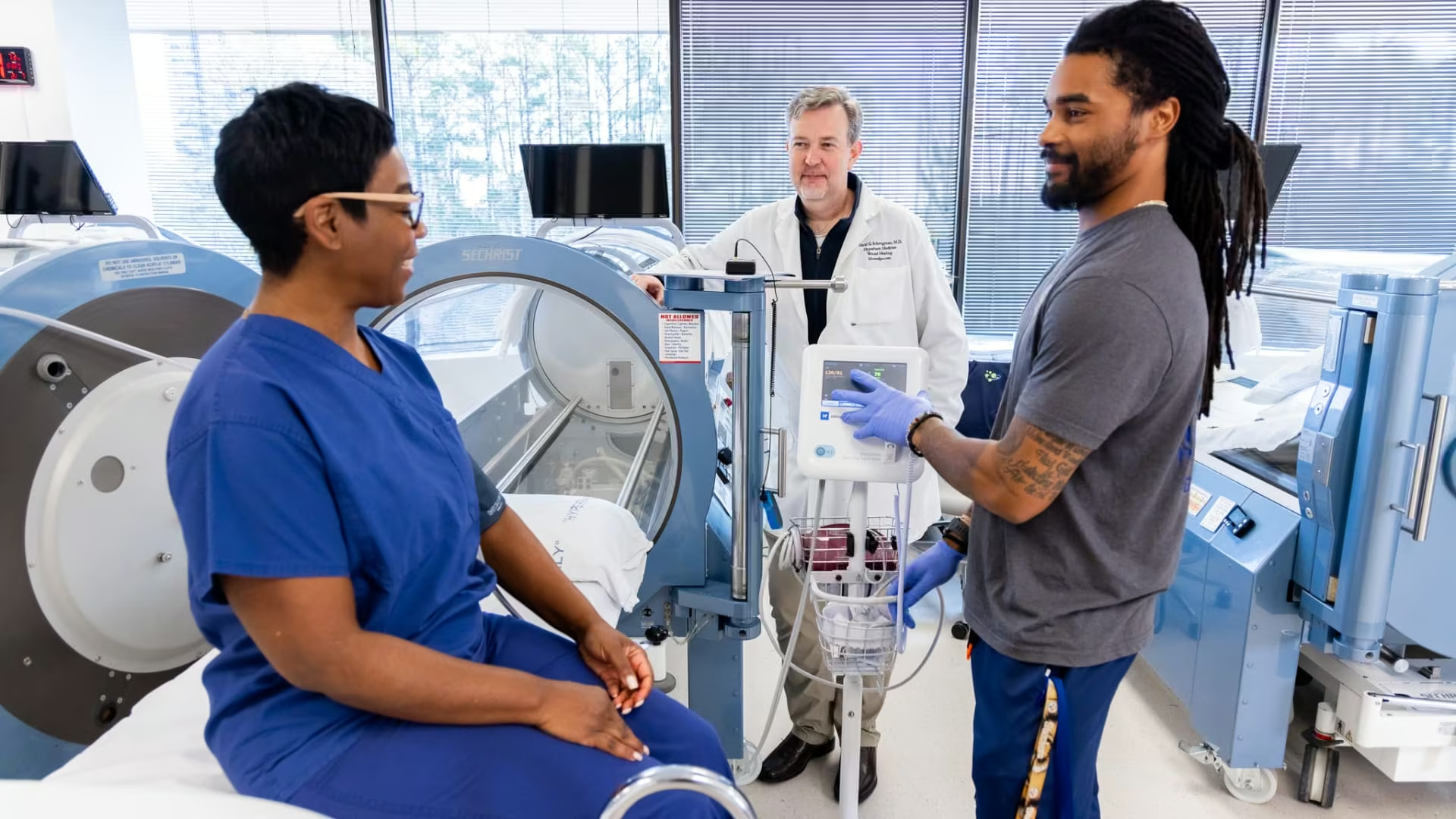
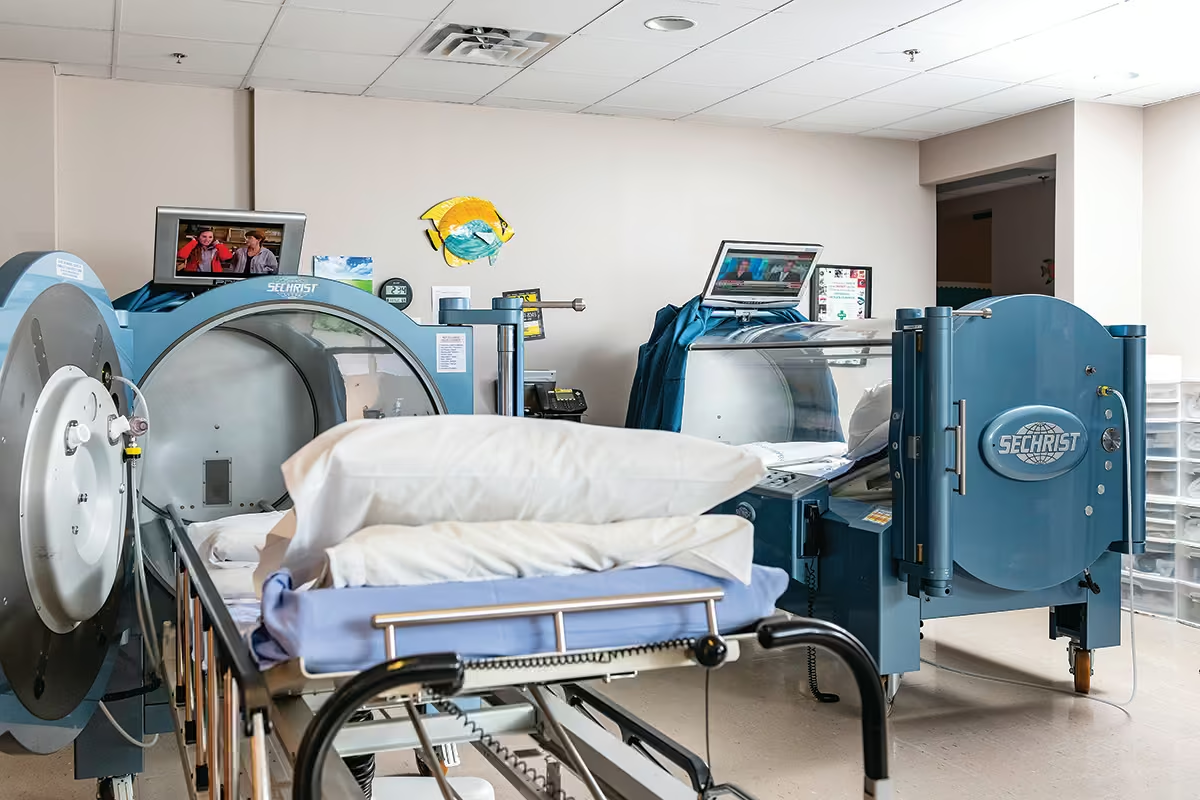
Hyperbaric oxygen therapy targets the core problem behind soft tissue radionecrosis, which is a shortage of blood vessels and oxygen. During each session, you rest inside a pressurized chamber and breathe 99.7% medical-grade oxygen. The added pressure lets your blood plasma carry far more oxygen than it can at normal air pressure, so oxygen reaches tissue that radiation has starved.
Repeated sessions raise and lower the oxygen levels in that tissue day after day. That pattern signals your body to grow new small blood vessels, a process called angiogenesis. As blood flow returns, the tissue regains what it needs to repair itself. HBOT also helps by:
- Supporting the white blood cells that fight infection
- Helping your body build collagen, the protein that forms new tissue
- Reducing bleeding from fragile blood vessels in the bladder and rectum
- Helping open sores and wounds close
- Preparing tissue to heal better if you need a biopsy or surgery in the treated area
Where to Find the Best Care for Soft Tissue Radionecrosis in Marietta
Hyperbaric Physicians of Georgia has treated delayed radiation injuries across Metro Atlanta since 1993. Our Chief Medical Officer, Dr. David Schwegman, MD, FACEP, CWS, is a certified wound specialist who has focused on hyperbaric medicine since 2009. He completed his emergency medicine residency at Ohio State University, where he served as chief resident, and later taught emergency medicine at Emory University. Our President, Dr. Helen Gelly, MD, has practiced hyperbaric medicine and wound care since 1991 and has lectured nationally on both.
Hyperbaric Physicians of Georgia pairs HBOT with physician-led wound care, including surgical debridement and negative pressure wound therapy when an open wound needs it, and keeps your gynecologic oncologist and other specialists involved throughout treatment.
Ready to get effective symptom relief with the best soft tissue radionecrosis treatment in Marietta?

.svg)

.svg)
.svg)