

.svg)


.svg)

Most wounds begin showing signs of improvement within days. The edges start closing, pain decreases, and new tissue forms. When a wound remains open or continues to worsen, it may mean that the injured area is not receiving enough blood to heal properly.
For a wound to heal, the injured area needs a steady supply of blood. That blood brings in the oxygen and nutrients needed to repair the damage and build healthy new tissue. When vascular disease limits circulation, the wound may stop making progress. What started as a small sore can stay open, become more painful, and eventually require more advanced treatment.
Read on to learn how vascular disease can prevent wounds from healing, when advanced therapies like hyperbaric oxygen therapy may be needed, and where to find the best wound care in Marietta.
How Are Poor Circulation and Wound Healing Connected?
Every wound relies on healthy blood flow to heal. After an injury, blood carries oxygen, nutrients, and infection-fighting cells to the damaged tissue. These resources help the body build new tissue, fight bacteria, and gradually close the wound.
Poor circulation can make it much harder for a wound to heal. When vascular disease affects the blood vessels, the injured area may not receive enough oxygen and nutrients to repair itself. This can cause the wound to stay open, become infected, or gradually grow worse.
Poor circulation can develop for several reasons. Peripheral artery disease, chronic venous insufficiency, diabetes, and other vascular conditions can all interfere with the body's ability to deliver blood where it's needed most. Because these conditions affect healing in different ways, identifying the underlying cause is an important part of creating an effective treatment plan.
What Are the Signs That a Wound Isn't Healing Normally?
Wounds heal at different rates depending on their size, location, and cause. However, a healing wound should gradually become smaller, produce less drainage, and develop healthier-looking tissue. When those changes do not happen, poor circulation or another underlying problem may be preventing the body from completing the healing process.
The table below shows how a wound that is healing normally may differ from a wound that needs further evaluation.
Other signs of a non-healing wound can include:
- An unpleasant odor or pus coming from the wound
- Repeated infections that improve and then return
- Skin breakdown around the wound
- Increasing tenderness or warmth
- No meaningful improvement after several weeks
If you notice these chronic wound symptoms, it’s a good idea to have the wound checked rather than waiting to see if it improves on its own. When vascular disease affects circulation, specialized wound care can help protect the tissue and give the wound a better chance to heal.
When Is Hyperbaric Oxygen Therapy Recommended for Non-Healing Wounds?
Doctors may recommend hyperbaric oxygen therapy (HBOT) when a chronic wound has not responded as expected to standard wound care. It may also be recommended for certain types of chronic wounds, such as diabetic foot ulcers and delayed radiation injuries, that qualify for advanced treatment. The goal is to provide oxygen-deprived tissue with additional support when healing has slowed or stalled.
Before recommending HBOT, a wound care specialist focuses on treating the wound itself. Depending on the wound, this can involve removing damaged tissue, controlling infection, using advanced dressings, or performing procedures such as skin grafting or wound closure. These treatments help prepare the wound for healing, while HBOT helps overcome one of the biggest barriers to recovery by increasing oxygen delivery to damaged tissue.
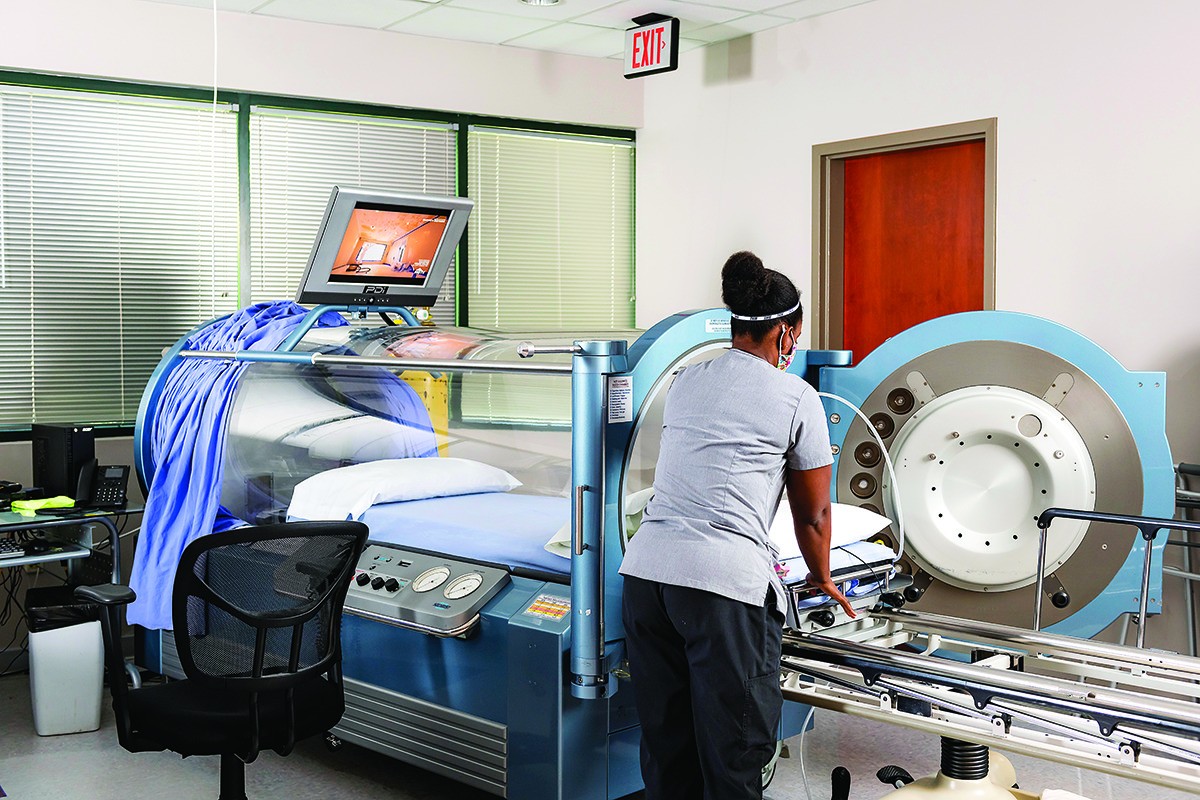
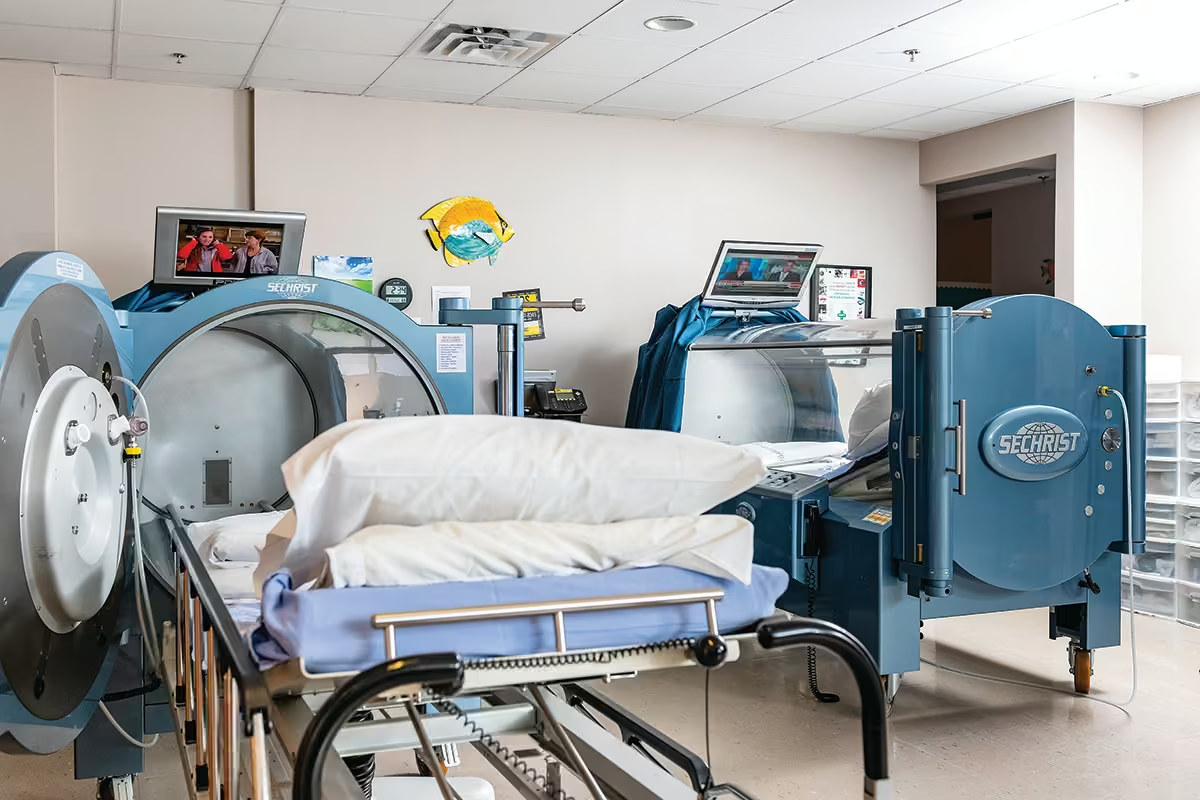
During hyperbaric oxygen therapy, patients breathe nearly 99.7% medical-grade oxygen inside a pressurized chamber. The pressurized environment allows the lungs to absorb more oxygen than they can under normal conditions. That oxygen then travels through the bloodstream to damaged tissue, where it can promote new blood vessel growth, reduce inflammation, support the body's natural healing process, and help fight infection.
Doctors commonly recommend hyperbaric wound treatment for qualifying conditions, including:
- Certain diabetic foot ulcers
- Soft tissue radionecrosis caused by radiation therapy
- Compromised skin grafts and flaps
- Certain serious infections
- Chronic wounds that have not responded to standard wound care
Rather than replacing advanced wound care, HBOT builds on it. Together, these treatments address both the condition of the wound itself and the oxygen it needs to heal more effectively.
Find the Best Wound Care in Marietta for Non-Healing Wounds
Poor circulation can prevent a chronic wound from receiving the oxygen and nutrients it needs to heal. As the wound remains open, the risk of infection and further tissue damage can increase. When standard wound care does not lead to enough improvement, hyperbaric oxygen therapy for wounds may help increase oxygen delivery and support the healing process.
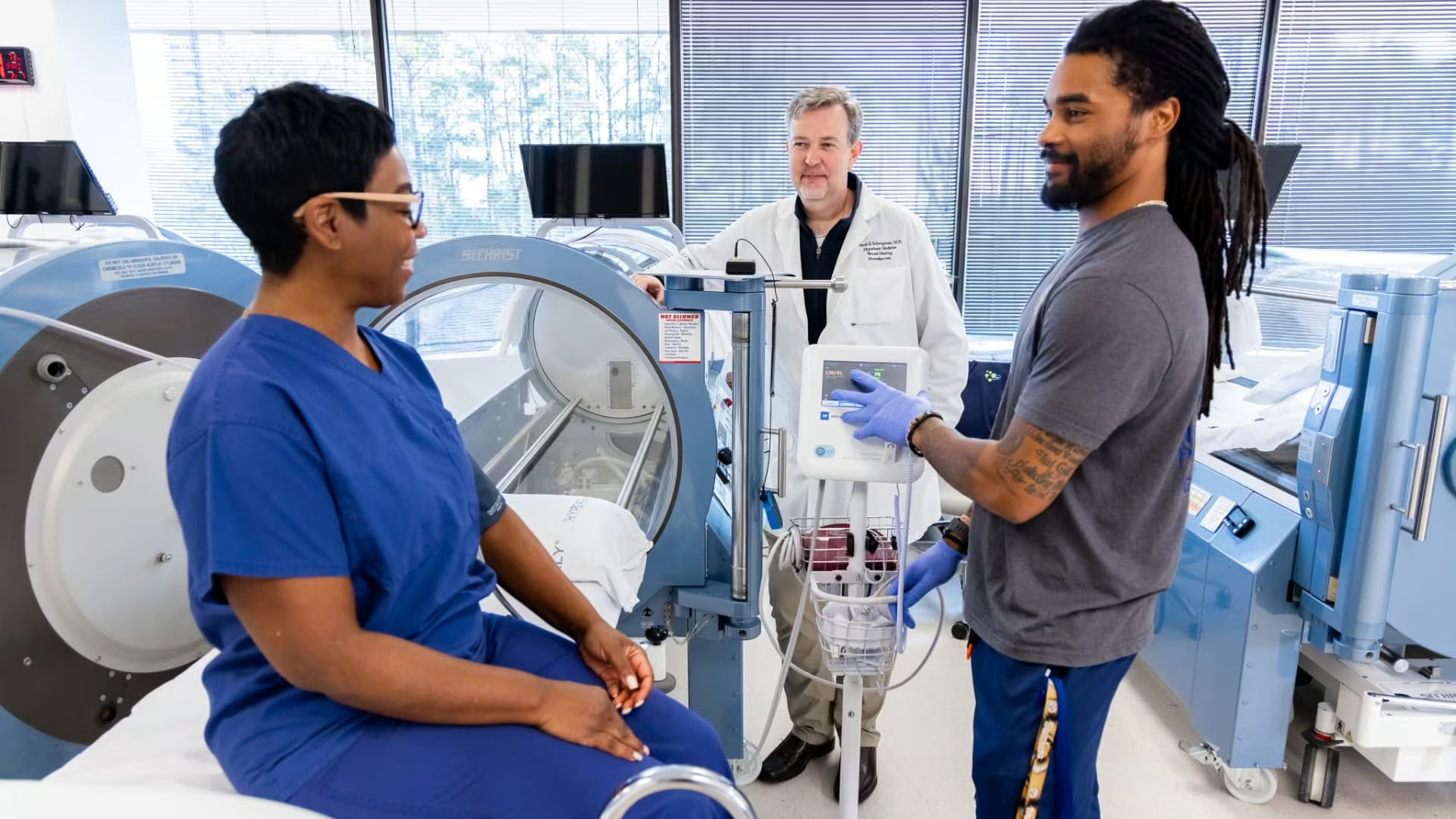
Hyperbaric Physicians of Georgia serves patients throughout Metro Atlanta and North Georgia. Under the leadership of Dr. Helen Gelly and Chief Medical Director Dr. David Schwegman, who earned his medical degree from the University of Cincinnati College of Medicine and completed his emergency medicine residency at Ohio State University, the team provides advanced wound care and hyperbaric oxygen therapy for patients with complex, non-healing wounds.
Could your wound benefit from the best hyperbaric oxygen therapy in Marietta? Schedule an appointment with Hyperbaric Physicians of Georgia to learn whether HBOT may be the right chronic wound treatment for you.

.svg)

.svg)
.svg)