

.svg)


.svg)


For some cancer survivors, radiation therapy leaves behind changes to tissue cells that continue long after treatment ends, and one of the most significant is osteoradionecrosis (ORN), a condition in which radiation damages bone and the tiny blood vessels that keep it healthy. ORN can appear months or even years after radiation therapy and often affects the jaw after a dental procedure or minor injury. A recent study finds that reported rates vary widely, but ORN remains an important late complication because it can have a lasting impact on function and quality of life.
Read on to learn more about recognizing the early signs of osteoradionecrosis and today's modern treatment options, including advanced therapies from the best hyperbaric oxygen therapy clinic in Marietta that promote healing, preserve bone health, and improve long-term recovery.
Osteoradionecrosis: Radiation Injury That Can Develop Years After Radiation Therapy
Radiation therapy is designed to destroy cancer cells, but in that process, it can also affect healthy tissue in the treatment area. These changes can reduce blood flow by damaging the small blood vessels that carry oxygen and nutrients to the bone. This limits the bone's ability to repair itself after everyday wear, dental procedures, or minor injuries. The result can lead to osteoradionecrosis, the gradual breakdown and death of bone tissue caused by reduced blood flow.
The lower jaw, also called the mandible, is the most common location because it naturally has a more limited blood supply than many other bones. Research shows that osteoradionecrosis most often develops after radiation treatment for head and neck cancers, and the condition can appear months or even years after therapy ends.
Monitoring for these delayed changes helps cancer survivors recognize any new symptoms that deserve medical attention, and exploring radiation injury treatment in Marietta before symptoms appear can actually add a layer of protection against developing this condition.
What Are the Symptoms and Warning Signs of Osteoradionecrosis?
Many people first notice symptoms that seem small and insignificant at first, but actually point to a serious potential complication of head or neck radiation:
- A sore inside the mouth may not heal
- Chewing may become painful
- An area of the jaw may feel swollen or tender
Some people may also develop loose teeth, numbness, drainage, or exposed bone that can be seen or felt inside the mouth. These symptoms often become more noticeable after a tooth extraction or another dental procedure in an area that previously received radiation.
Without treatment, damaged bones can become infected, causing ongoing pain and making it harder to eat, speak, or maintain good oral health. Getting an evaluation as soon as possible leads to the best outcomes. Patients seeking help with healing radiation damage in Marietta can benefit from including hyperbaric specialists who understand the long-term effects of radiation on bone and surrounding tissue in their care team.
Who Is at Risk for Osteoradionecrosis?
Not everyone who receives radiation therapy develops osteoradionecrosis, but certain factors increase the risk:
- Higher radiation doses
- Treatment for cancers of the head and neck
- Smoking
- Diabetes
- Poor oral hygiene
- Dental extractions after radiation
Prevention often begins before radiation therapy starts, with a complete dental examination and treatment of teeth that may later cause problems. After cancer treatment, regular dental visits and careful oral hygiene remain important because healthy gums and teeth help reduce stress on the jawbone. Dentists, oncologists, oral surgeons, wound care specialists, and hyperbaric physicians often work together to guide care before any invasive dental procedure.
How Is Osteoradionecrosis Diagnosed and Treated?
Diagnosing osteoradionecrosis begins with a thorough review of your cancer treatment history, symptoms, and oral health. A physical examination allows the provider to look for exposed bone, swelling, drainage, or other signs of tissue damage. While early cases may respond to antibiotics, pain management, specialized wound care, and close monitoring, more advanced cases sometimes require removal of damaged bone or reconstructive surgery. Healing radiation damage in Marietta usually includes comprehensive wound care and hyperbaric oxygen therapy.
Follow-Ups and Ongoing Care After Radiation Therapy
Even after cancer treatment ends, follow-up appointments and ongoing care remain an important part of protecting your long-term health. Your radiation oncologist may recommend periodic exams or imaging to watch for delayed changes and side effects or radiation that can affect different parts of the body, especially if you received high doses of radiation through external beam radiation therapy or other types of radiation therapy. If new symptoms develop, your provider may order a CT scan or other imaging to determine whether they are related to the effect of radiation therapy or another medical condition.
Many side effects, including hair loss, improve after treatment, while others may appear much later and require specialized care. Your healthcare team will also consider other health concerns, such as high blood pressure or a history of blood clots, when creating a treatment plan or deciding whether a surgical procedure is appropriate. Radiation treatment carefully delivers radioactive material or radiation energy to destroy cancer cells, though healthy tissue can sometimes be affected as well.
Adding Hyperbaric Oxygen Therapy to Your Radiation Injury and Bone Necrosis Treatment Plan
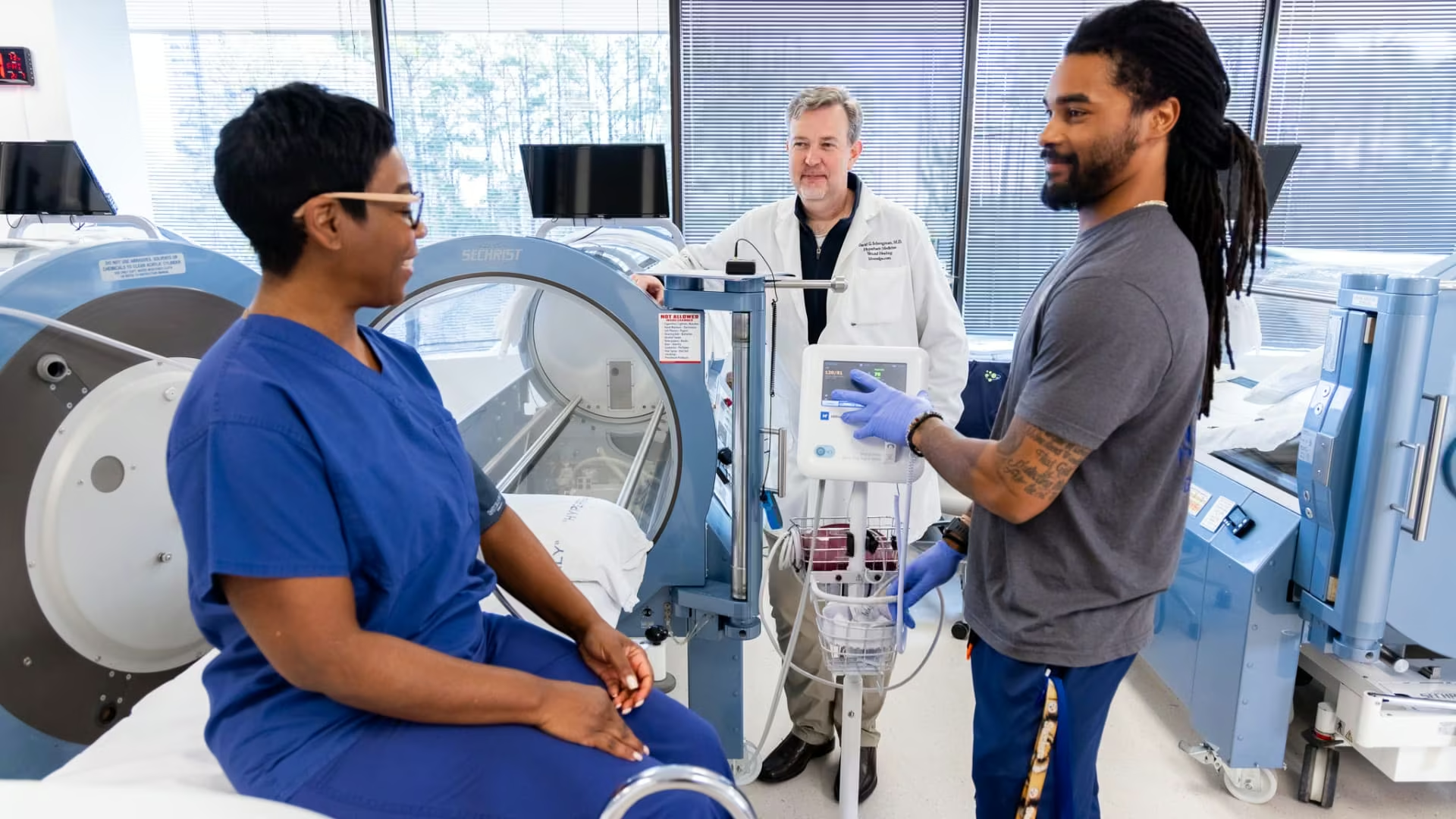
Hyperbaric oxygen therapy (HBOT) is the best radiation injury treatment in Marietta and can often help improve healing in selected patients with osteoradionecrosis. During treatment, patients breathe 99.7% medical-grade oxygen inside a pressurized chamber. The increased pressure allows more oxygen to dissolve into the bloodstream and reach tissues that have poor circulation because of radiation damage. Higher oxygen levels encourage the growth of new blood vessels, support collagen production, reduce swelling, and improve the body's natural healing process.
Healthcare providers also recommend hyperbaric oxygen therapy before and after dental surgery in previously irradiated areas or as part of a broader treatment plan for established osteoradionecrosis.
Finding the Best Radiation Injury Treatment in Marietta
If you're dealing with ongoing pain, slow-healing tissue, or concerns about osteoradionecrosis, you don't have to wait and wonder what's causing it. The team at Hyperbaric Physicians of Georgia is committed to helping patients find answers and access proven treatments that support healing.
Our team includes physicians with decades of experience in emergency medicine, wound care, and subspecialty board certification in undersea and hyperbaric medicine. Since 1993, we have provided advanced hyperbaric oxygen therapy under the supervision of experienced physicians who are subspecialty board-certified in undersea and hyperbaric medicine. Our UHMS accreditation with distinction, physician-led care, and 100% safety record reflect our commitment to delivering treatment you can trust.
Ready for radiation injury treatment with the best HBOT in Marietta?


.svg)

.svg)
.svg)